
Brazil Inflation Surges Past Ceiling as Power Bills Spike in September
Brazil's IPCA consumer price index rose 0.82% in September, pushing annual inflation to 4.58% and breaching the central bank's official tolerance ceiling.
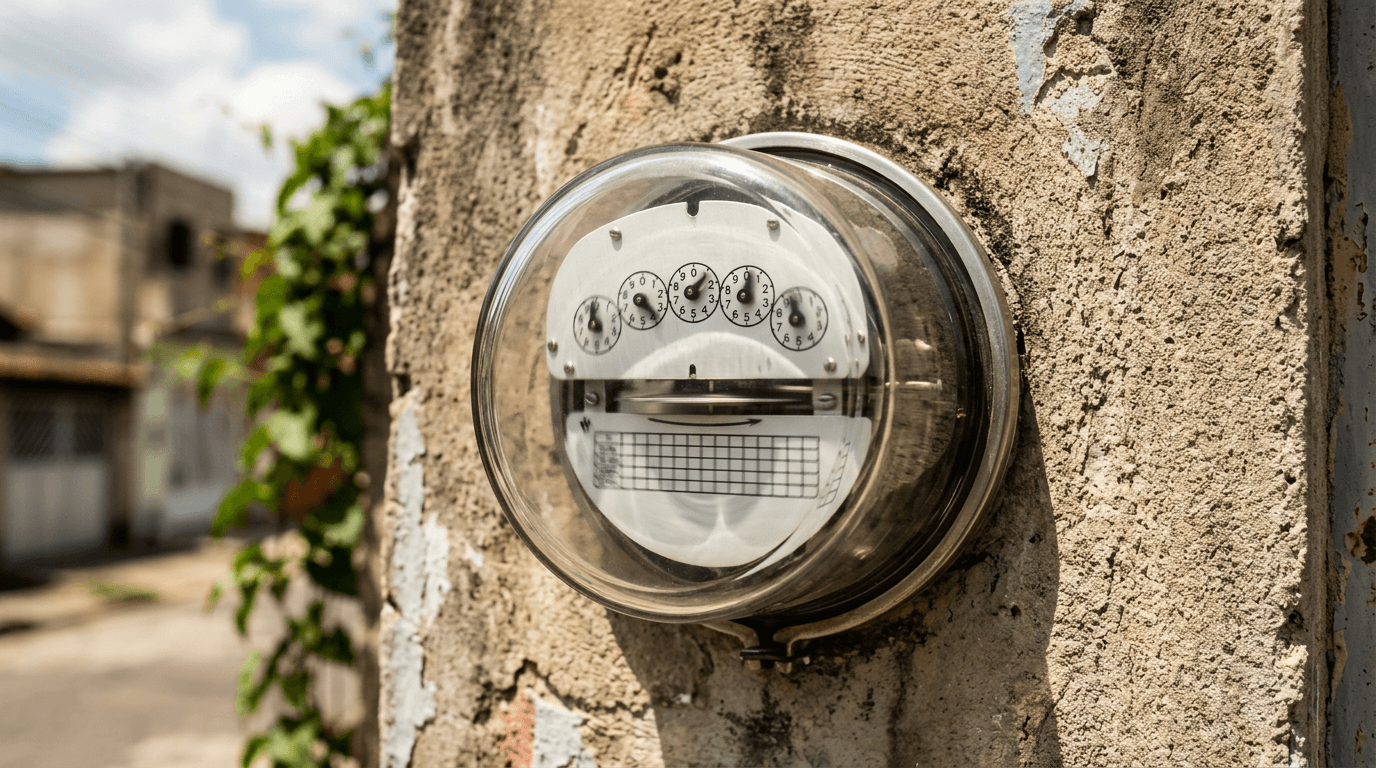
Brazil's consumer prices rose sharply in September, pushing the country’s annual inflation rate past the central bank’s official tolerance ceiling. The benchmark IPCA consumer price index rose 0.82% in September, accelerating past the market consensus of 0.73% and reversing a brief period of deflation in August.
According to data released on October 9, 2026, by the Brazilian Institute of Geography and Statistics (IBGE), the 12-month trailing inflation rate reached 4.58%. This reading officially breaches the upper limit of the Central Bank of Brazil’s (BCB) target range, which is set at 3.0% with a 1.5 percentage point tolerance band, meaning a ceiling of 4.5%.
The primary driver behind the sudden spike was housing and utility costs, specifically residential electricity. Power bills surged 7.98% in September following the expiration of a temporary Itaipu hydropower credit that had previously kept household utility expenses artificially low. Additionally, food and beverage costs rose 4.66% on an annual basis, up from 3.53% in August, compounding the cost-of-living squeeze for Brazilian families.
This inflation surprise complicates matters for the central bank as it navigates a highly politicized economic environment. Leftist President Luiz Inácio Lula da Silva, who has consistently pressured the central bank to lower borrowing costs to stimulate growth, faces a tight political landscape. Meanwhile, the central bank’s monetary policy committee (Copom) must weigh these persistent price pressures against its mandate to anchor long-term expectations.
With annual inflation now trading outside the official tolerance band, pressure is mounting on the central bank to adopt a more hawkish stance in its upcoming meetings. Economists expect the bank to reconsider its recent cycle of interest rate adjustments, potentially paving the way for more aggressive hikes to the benchmark Selic rate to bring prices back under control.
What it touches
The upside inflation surprise directly impacts Brazil's interest rate futures (DI1), which are highly sensitive to shifts in monetary policy. Higher-than-expected IPCA data typically drives up yields on short- and medium-term DI contracts as traders price in a more aggressive Selic rate path. This dynamic also influences foreign carry-trade investors, who track the spread between Brazilian yields and international rates.