
Retail Investors Pour BRL 157 Million Into Real Estate Funds as IFIX Hits Peak
Brazilian retail investors buy up real estate trusts (FIIs) to reach a 52-week high, even as major corporate tenants like Casas Bahia face eviction.
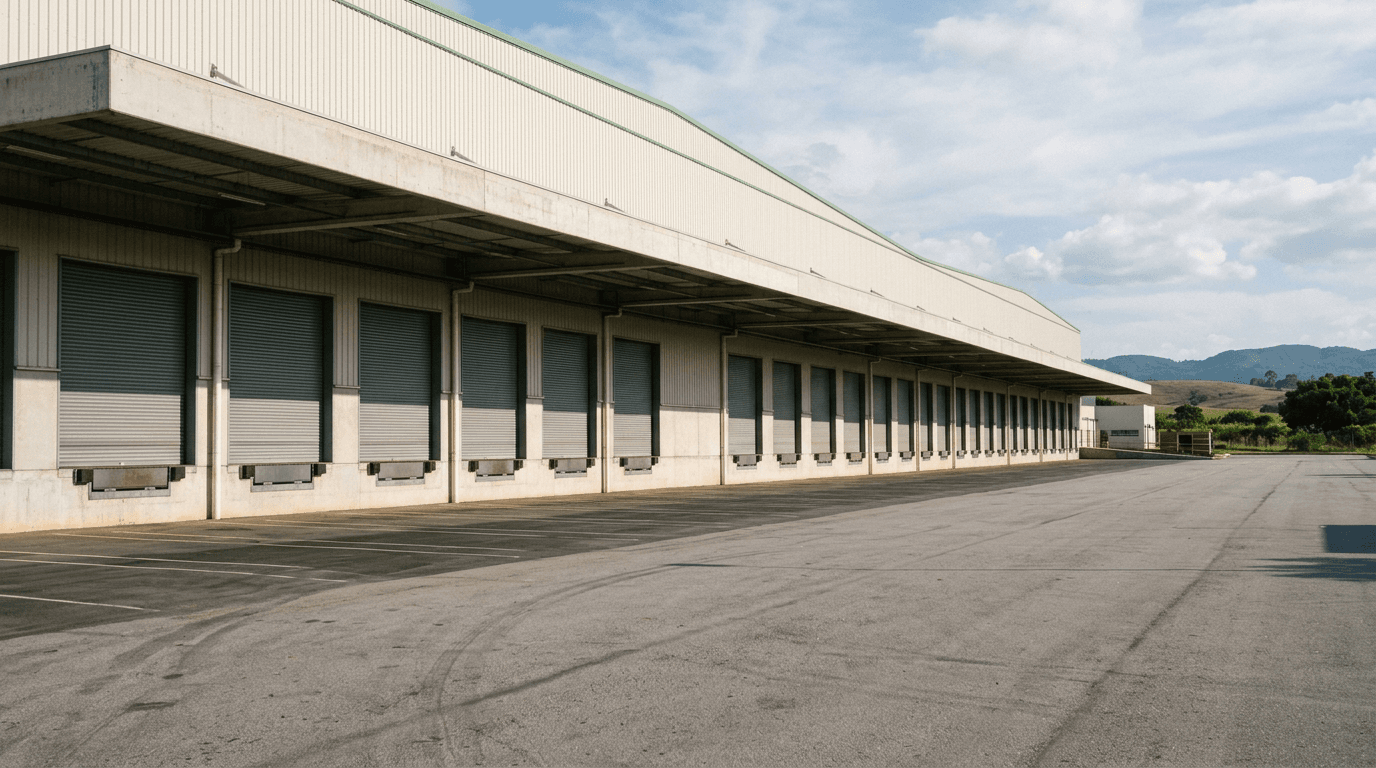
Brazilian retail investors are doubling down on the country’s real estate investment trusts—locally known as FIIs (fundos de investimento imobiliário)—even as some of the nation's largest retail companies face severe financial distress. In a striking divergence of market sentiment, individual retail investors registered a net buy of BRL 156.7 million in FIIs in a single week, while local institutional investors took the opposite side of the trade, registering a net sell of BRL 156.3 million.
This retail-driven wave of capital propelled the IFIX, the benchmark index tracking Brazilian real estate funds, to a new 52-week high of 3,988.54 points on October 9, 2026. The index closed up 0.98% on the day and posted a substantial 5.74% gain for the week. For many household investors, the high yields and tax-exempt monthly dividends offered by FIIs remain an attractive haven in Brazil's high-interest-rate environment, where the benchmark Selic rate stands at 13.75%.
However, this aggressive buying comes at a highly volatile moment for the underlying real estate. Major corporate tenants in the brazil retail market are struggling to pay their bills, exposing retail portfolios to concentrated real estate risk. Just as the IFIX reached its peak, the logistics fund HSLG11 (HSI Logística) filed an eviction lawsuit against Grupo Casas Bahia, one of the most prominent brazil retail companies.
The legal dispute arose after Casas Bahia failed to pay BRL 4.3 million in rent due on October 7, 2026, for two major distribution centers in Minas Gerais and Paraná. The default is a direct consequence of the retailer’s ongoing financial restructuring; Casas Bahia filed for extrajudicial recovery in August 2026 and has laid out plans to close nearly 30% of its physical brazil retail stores to stay afloat. For funds like HSLG11, where Casas Bahia represents roughly 27.6% of contracted rental income, the default threatens the very cash flows that retail investors rely on for monthly dividends.
This dynamic highlights a growing divide in how different market players view risk in Brazil. While institutional managers are trimming their exposure to commercial real estate to avoid the fallout of corporate defaults, everyday retail investors are buying the dip, seemingly betting that the underlying physical assets—such as prime warehouse spaces and shopping malls—will retain their long-term value regardless of which tenant occupies them.
What it touches
The divergence in the FII market directly impacts traded real estate assets on the B3 exchange. Funds with heavy exposure to distressed retail tenants, such as HSLG11, face immediate cash flow pressure and potential dividend cuts, while diversified logistics and paper-based FIIs like MXRF11 and GGRC11 continue to attract high trading volumes. On the corporate side, the ongoing restructuring and store closures of major retailers like Casas Bahia (BHIA3) will continue to reshape vacancy rates and rental pricing power across Brazil's commercial and logistics real estate sectors.