
Brazil Markets Rally as Post-Election Polls Show Flávio Lead
Brazilian assets surged as post-first-round polls showed conservative challenger Flávio Bolsonaro leading President Lula ahead of the October 25 runoff.
A dramatic shift in Brazil’s presidential race has triggered a wave of optimism across local financial markets, driving the country's benchmark stock index to unprecedented heights. The market reaction, which local traders have dubbed the "Flávio Trade," reflects a sudden realignment of expectations among global and domestic investors as they digest the results of the first-round presidential election and look ahead to the decisive runoff on October 25, 2026.
The catalyst for the market surge was a series of post-first-round election polls showing conservative challenger Flávio Bolsonaro leading the incumbent leftist President Luiz Inácio Lula da Silva. According to a Datafolha poll released on October 8, 2026, Senator Bolsonaro holds 49% of total voting intentions against Lula’s 45%. A subsequent AtlasIntel/Bloomberg survey published on October 9, 2026, confirmed this trend, placing the challenger ahead with 51.1% to Lula's 45.7% in total votes. For international observers, Flávio Bolsonaro—a federal senator and the eldest son of former right-wing President Jair Bolsonaro—represents a platform highly favored by the business community, focused on fiscal discipline, privatization, and administrative reforms.
The political momentum translated into an extraordinary week on the B3 exchange in São Paulo. The benchmark Ibovespa index closed at a historic record of 209,066.90 points on October 9, 2026, racking up an 8.82% gain in its strongest weekly performance since the pandemic-induced volatility of March 2020. At the same time, foreign capital inflows put immense downward pressure on the greenback. The Brazilian Real rallied sharply, pushing the US dollar down 4.44% over the week to close at R$ 4.98, breaking below the psychologically important R$ 5.00 threshold.
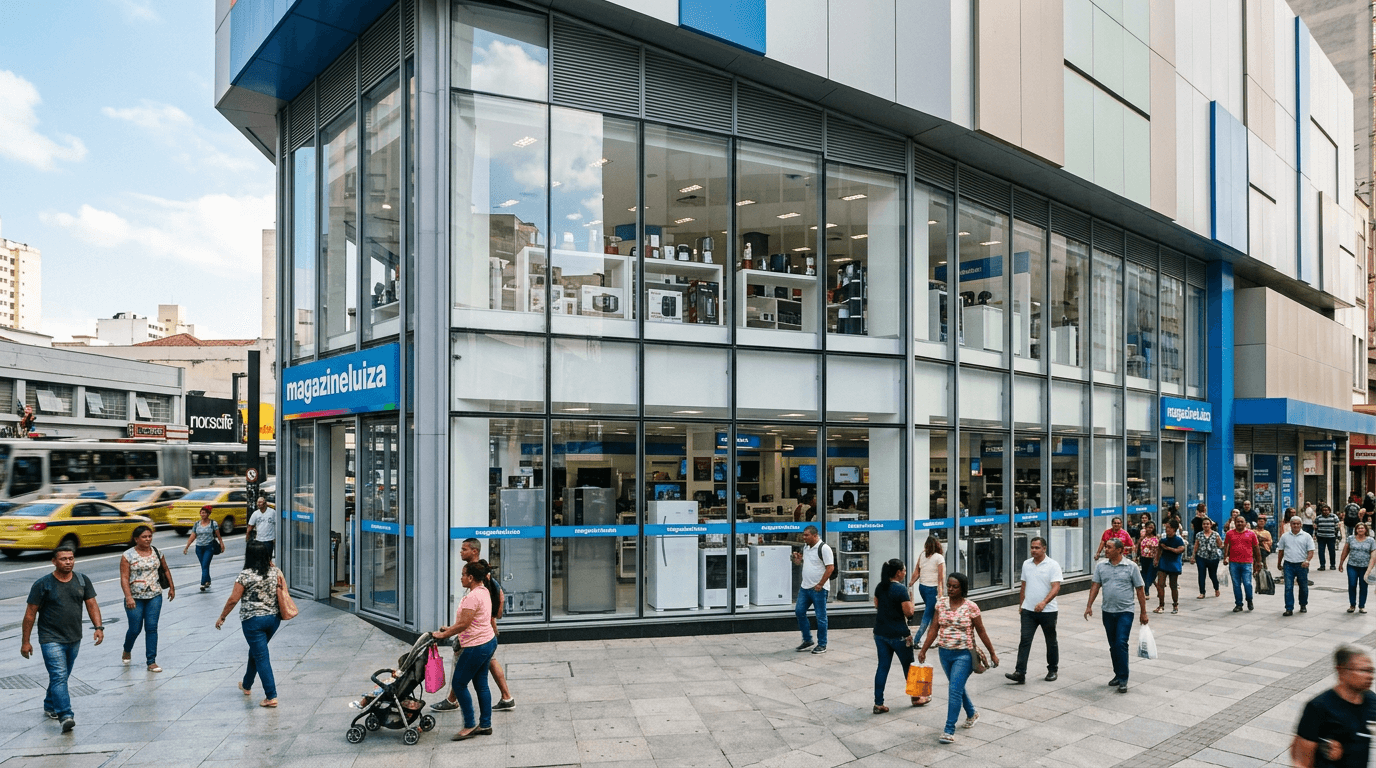
Domestic cyclical sectors, which are highly sensitive to local economic health and credit conditions, led the charge. Investors aggressively bought into retail and consumer stocks on the expectation that a more market-friendly administration would help cool long-term inflation expectations and pull down future interest rates. Shares of major retail giant Magazine Luiza (MGLU3) epitomized the frenzy, soaring over the week following the first-round results.
While the "Flávio Trade" has injected immense short-term momentum into Brazilian assets, political analysts caution that the race remains highly competitive. No challenger in Brazil's modern democratic history has successfully overturned a first-round deficit to win the presidency, but the tight margins mean the upcoming weeks of campaigning will be marked by intense volatility. Investors are closely watching how both campaigns attempt to court moderate voters and address the country's fiscal challenges before the final vote.
What it touches
The sudden shift in political risk directly impacts exchange-traded funds and major American Depositary Receipts (ADRs) tied to the Brazilian economy. Foreign investors looking to gain exposure to this election cycle are heavily utilizing the iShares MSCI Brazil ETF (EWZ), which tracks the broader Brazilian equity market and surged in tandem with the local index. Additionally, major state-controlled entities like oil giant Petrobras (PBR) and financial institutions such as Itaú Unibanco (ITUB) remain highly sensitive to the shifting regulatory and macroeconomic outlooks projected by the two competing political camps.