Mercado Libre and Amazon Drive Brazil Warehouse Vacancy to Record Lows
A Binswanger Brazil report shows high-end logistics warehouse vacancy fell to a historic low of 4.9% in Q3 2026, driven by Mercado Libre, Shopee, and Amazon.
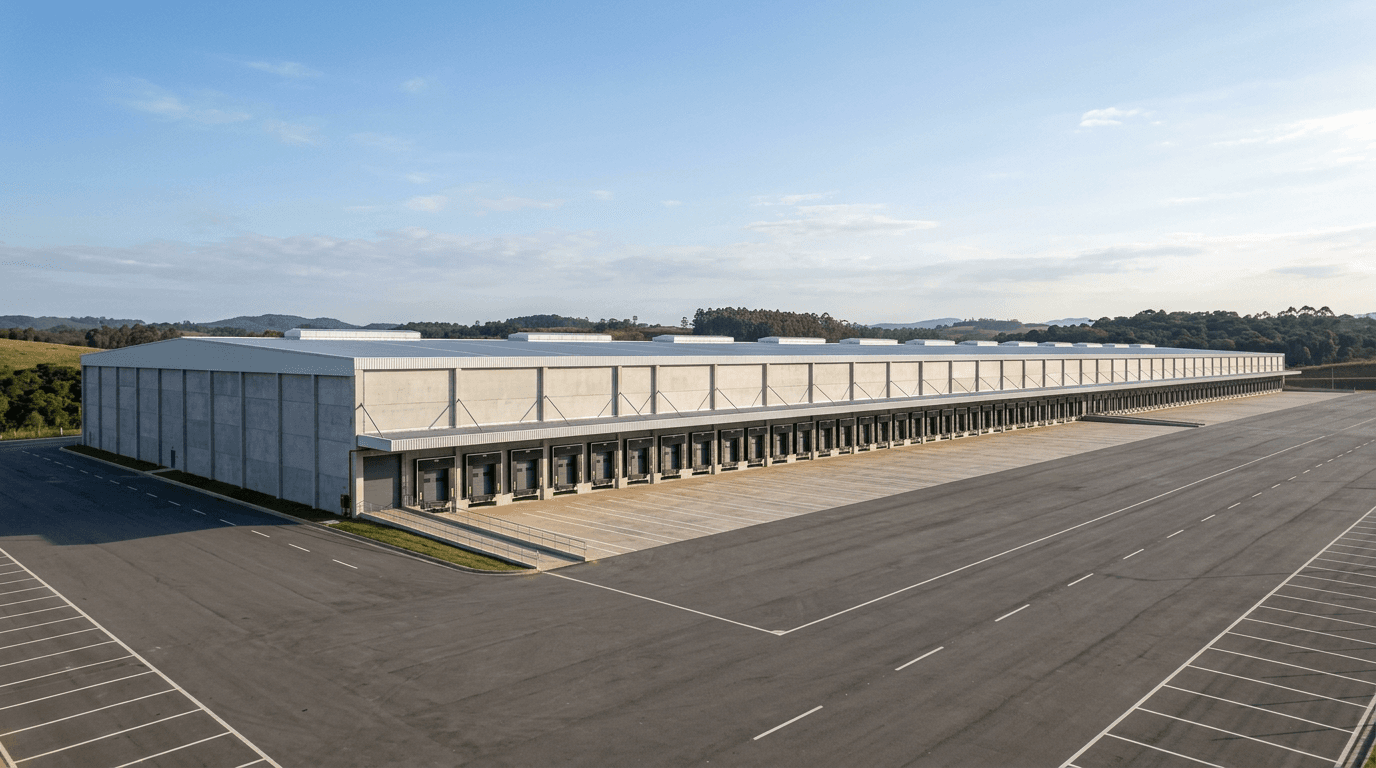
Global e-commerce giants expanding their footprints in South America are running out of physical space to store their goods. For international investors tracking the digital retail supply chain, the physical infrastructure supporting these digital transactions has become increasingly scarce and expensive.
In Brazil, the largest consumer market in Latin America, the national vacancy rate for Class A and A+ high-end logistics warehouses fell to a historic low of 4.9% in the third quarter of 2026. According to a market report released on November 9, 2026, by real estate consultancy Binswanger Brazil, this is the lowest level recorded since the firm began tracking the data in 2013. The supply squeeze has pushed average asking rental prices to a record high of 35.15 reais ($6.10) per square meter, up from 29.34 reais in the previous quarter.
E-Commerce Giants Lead the Space Race
The primary driver behind this real estate crunch is the fierce competition among major e-commerce platforms fighting for rapid delivery times. Nasdaq-listed Mercado Libre remains the undisputed heavyweight champion of Brazilian warehouse space. The company occupies approximately 3.7 million square meters of high-end logistics space across the country. In the third quarter of 2026 alone, Mercado Libre leased an additional 405,000 square meters across 13 different properties, including major hubs in Guarulhos and Cajamar near the metropolitan area of São Paulo.
Other major digital retailers are aggressively expanding their regional footprints to keep pace. Singapore-based Sea Group's Shopee is the second-largest occupier with 1.6 million square meters, followed by Amazon with 786,000 square meters. Domestic retail giant Magazine Luiza (Magalu) holds 518,000 square meters, while German logistics multinational DHL rounds out the top five with 438,000 square meters.
Geographic Concentration and Supply Limits
The logistics boom is heavily concentrated in Brazil's industrialized Southeast region, which contains 72% of the country's total high-end warehouse stock of 39.6 million square meters. The state of São Paulo alone accounts for nearly half of the national total due to its massive consumer base, which generates over 30% of Brazil's Gross Domestic Product. However, the supply squeeze is now spreading to other regions, with the Northeast leading new development due to its proximity to port infrastructure.
According to Binswanger Brazil, the country's current warehouse inventory is only sufficient to meet about six months of demand, compared to an 11-month supply buffer recorded a year earlier. This tight supply has forced e-commerce operators to pre-lease properties. Approximately 39% of all logistics space currently under construction in Brazil has already been leased before the buildings are even finished.
In your brokerage app
For US retail investors, this logistics real estate squeeze directly impacts MercadoLibre, Inc., which is listed on the NASDAQ and represents the dominant force in Latin American e-commerce. Investors can also gain exposure to the broader regional digital economy through the Global X MSCI Argentina ETF, which holds MercadoLibre as its largest position, or the iShares MSCI Brazil ETF, which holds major domestic retail and logistics players.