
Institutional Capital Fuels Brazil's Solar Boom with R$565 Million Distributed Generation Acquisition
Suno Clean Energy Fund is acquiring 28 operational solar plants for R$565 million, signaling strong institutional backing for Brazil's clean energy transition.
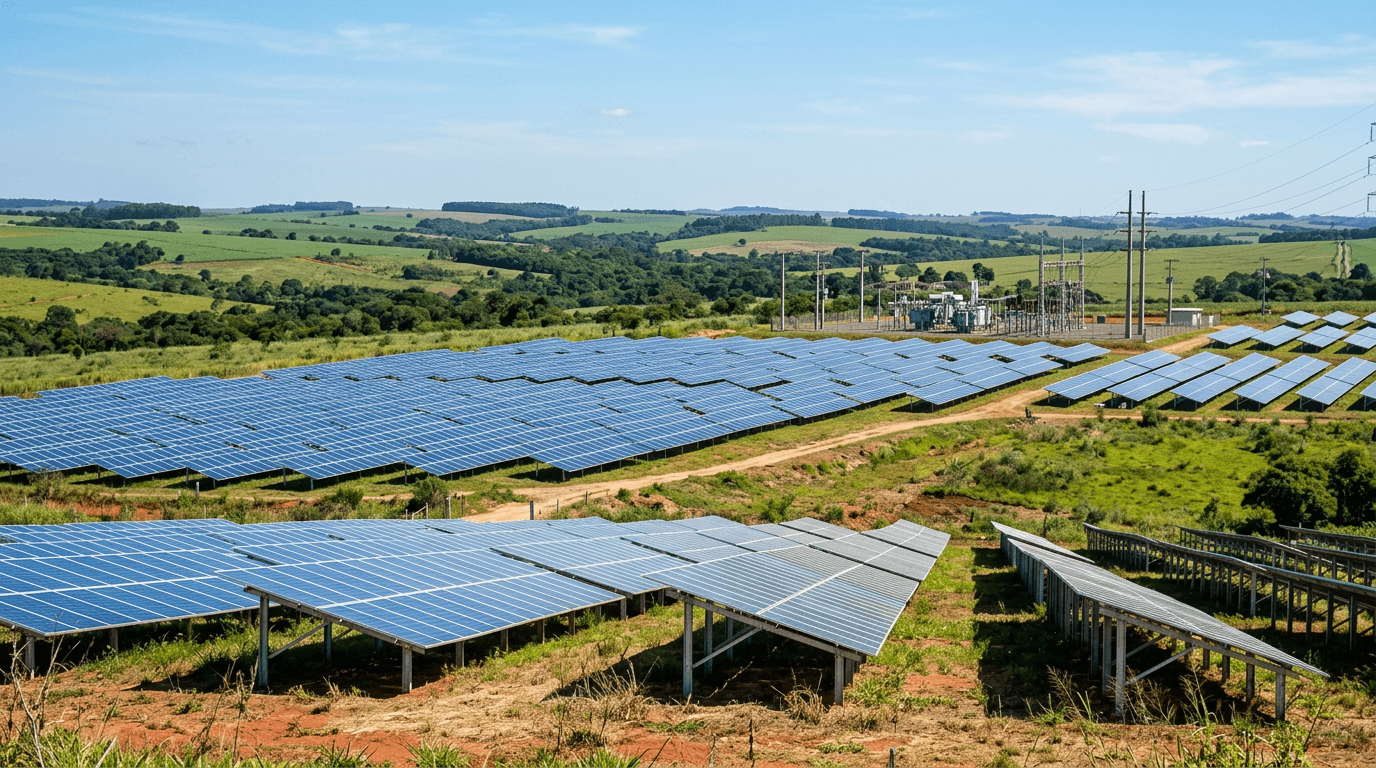
A major Brazilian investment fund has committed significant institutional capital to the country's fast-growing clean energy sector, signaling sustained confidence in the framework supporting distributed solar power. The Suno Clean Energy Fund, known by its local ticker SNEL11, is acquiring 28 operational distributed generation (DG) solar power plants for R$565.04 million (approximately $104 million), according to a formal disclosure to the market. This single transaction increases the fund’s installed capacity by 78%, adding 116.68 Megawatt-peak (MWp) and bringing its total portfolio capacity to 266.1 MWp.
The move underscores the growing role of specialized institutional investors in financing Brazil's energy transition, specifically within the distributed generation segment. DG solar differs from large-scale utility projects, as it involves smaller plants—often located closer to consumption centers—that inject power into the local grid under a system that grants credits to consumers who "sponsor" the energy generation. This model is highly attractive to companies and institutions seeking long-term power supply contracts and is a key factor driving the growth of the solar market across the country.
The acquired assets are spread across ten Brazilian states, immediately boosting the fund’s geographic diversification to a total of 14 states. This regional spread is critical in the Brazilian market, mitigating risks associated with local weather conditions, regulatory shifts by different state energy distributors, and regional power market dynamics. The fund's strategy of purchasing assets that are already connected and fully operational minimizes construction and "ramp-up" risk, allowing the institutional capital to immediately contribute to energy generation.
Brazil’s DG solar market has surged since 2015, driven by supportive regulation, including the framework established by Federal Law 14.300/2022, which provided long-term regulatory certainty and accelerated investment. The commitment of institutional investment, like this R$565 million acquisition by SNEL11, solidifies the DG segment as a robust and resilient part of the national power matrix, even as the broader renewable energy financing environment has faced headwinds from high interest rates. As Brazil’s economy seeks to decarbonize and provide energy stability, the continued flow of this type of capital remains the mechanism to watch.
NOTE: The 'What it touches' section has been omitted as the story's core focus is on the institutional transaction and the market mechanism of distributed generation in Brazil, and there is no direct material link to the provided U.S.-listed Brazilian asset data (ADRs) that would warrant inclusion.
Related coverage
Investing · PRO
Political Risk Closes Door on Cemig Privatization in Minas Gerais Gubernatorial Race
Published
Investing · PRO
Bolsonaro Economic Team Names Banco do Brasil as Key Privatization Target
Published
Investing
R$565 Million Solar Deal Shows How Brazilian Funds Finance Clean Energy Surge
Published