
R$565 Million Solar Deal Shows How Brazilian Funds Finance Clean Energy Surge
Brazil's Suno Clean Energy Real Estate Fund (SNEL11) deployed R$565 million to buy 28 solar projects, showcasing a major funding mechanism for the country's clean energy transition.
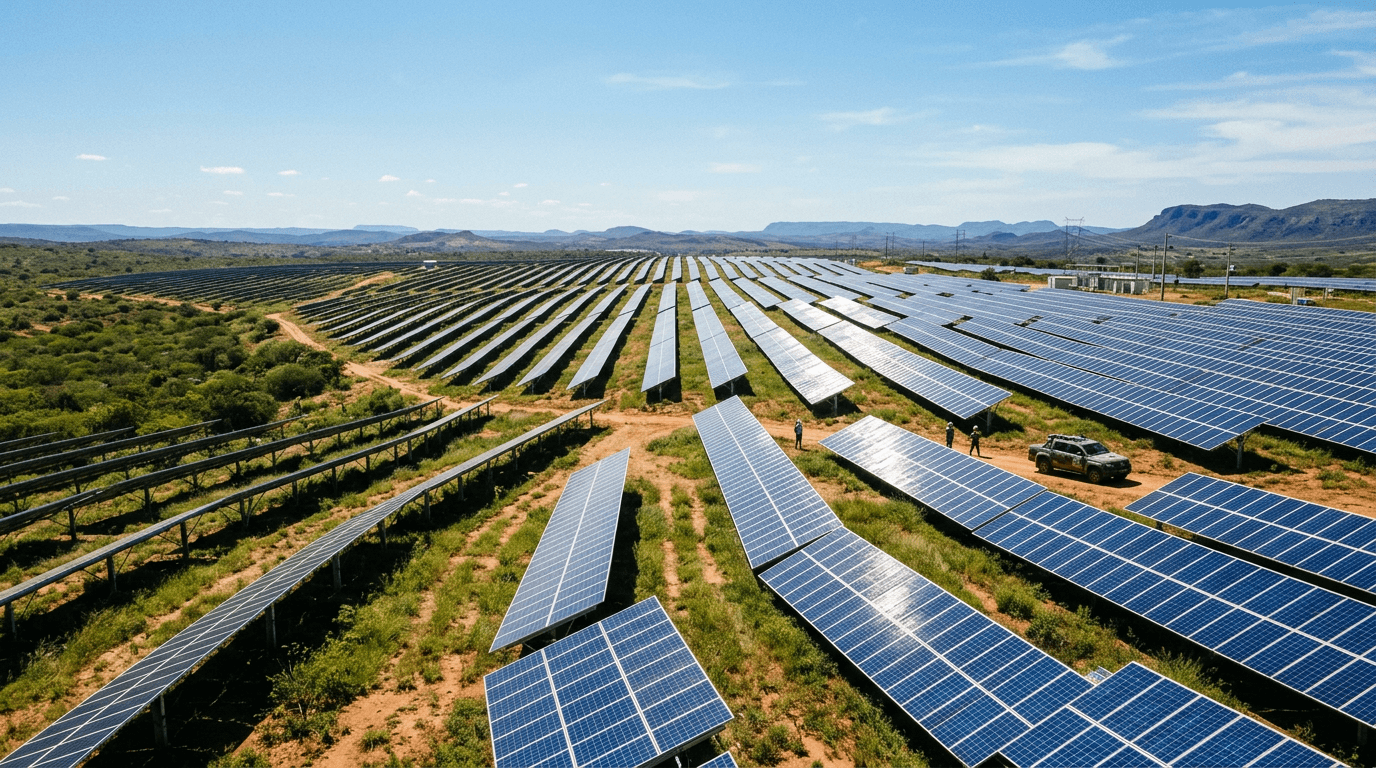
The Suno Clean Energy Real Estate Fund (SNEL11) has solidified its position as a major player in Brazil’s solar power boom after completing a R$565.04 million acquisition of 28 operational distributed solar generation projects. The deal immediately adds 116.68 megawatts-peak (MWp) of capacity to the fund's portfolio, boosting its total size by 78% to approximately 266.1 MWp and dramatically expanding its geographical footprint across 10 Brazilian states. This transaction is a key example of how domestic financial vehicles are being used to finance the country's energy transition, channeling local capital directly into infrastructure projects needed to meet growing energy demand with Brazil solar energy.
For the foreign reader, SNEL11 is a Fundo de Investimento Imobiliário (FII), or Real Estate Investment Fund, a popular financial instrument on Brazil’s stock exchange, B3, that is similar to a Real Estate Investment Trust (REIT). However, in this case, the underlying assets are not office buildings or shopping malls but the land and equipment of solar power plants. These plants operate under the model of Distributed Generation, a fast-growing segment of the Brazilian power market where smaller power facilities—usually solar farms—generate electricity close to where it is consumed. The fund’s strategy is built on selling energy credits from these plants to large commercial and industrial clients through long-term, inflation-linked contracts, which provides predictable cash flow.
The acquisition increases the fund's number of projects from 37 to 65 and further diversifies its exposure away from just a few regions and energy distributors, which reduces operational risk. The fund projects a strong real Internal Rate of Return (IRR) of 16.87% per year, plus energy inflation, for the new assets, underscoring the perceived stability and profitability of these contracted Distributed Generation projects. By acquiring operational, already-connected assets, SNEL11 accelerates its capacity growth in a way that building new projects might not, particularly in a period of high capital costs.
The deal follows a successful R$1 billion fundraising round completed by the fund in September, which provided the capital for this expansion and signals robust investor appetite for green infrastructure in Brazil. As Brazil aims to sustain its growth in clean energy—already one of the world's most renewable grids—the challenge is financing the massive capital required for the build-out. This reliance on the FII structure shows the maturing role of Brazilian capital markets in providing the funding required for the national energy transition, moving beyond dependence on only the development bank BNDES or international funding.
With this transaction, SNEL11 has deployed over half of the R$1 billion raised and still has significant capital earmarked for further expansion. The fund's stated goal is to reach approximately 400 MWp of installed capacity in the near future, meaning more acquisitions in the Brazil clean energy space are expected, continuing to fuel the rapid growth of distributed solar generation.
What it touches
The fund's expansion reinforces the investment appeal of Brazil's energy transition, particularly the distributed generation model. While SNEL11 is a local fund, its success highlights the broader strength of Brazil's renewable energy sector, which is increasingly attracting both domestic and international capital. The broader sector includes firms focused on renewable energy and infrastructure, though the listed Brazilian equities in the U.S. markets do not have a direct pure-play solar utility, with firms like Pátria Investments (PAX), a private equity manager, involved in infrastructure and energy investments.