Gerdau Halts Key Steelmaking Operations at Divinópolis Plant
Steelmaker Gerdau confirmed to Brazilian regulators that it has idled its blast furnaces in Divinópolis to cut costs, keeping client deliveries intact.
Global industrial supply chains are feeling the pressure of rising raw material costs and international competition, forcing major steel producers to consolidate their footprints. For international investors holding shares in global industrial giants, these operational shifts can signal a broader corporate strategy to defend profit margins at the expense of local production capacity.
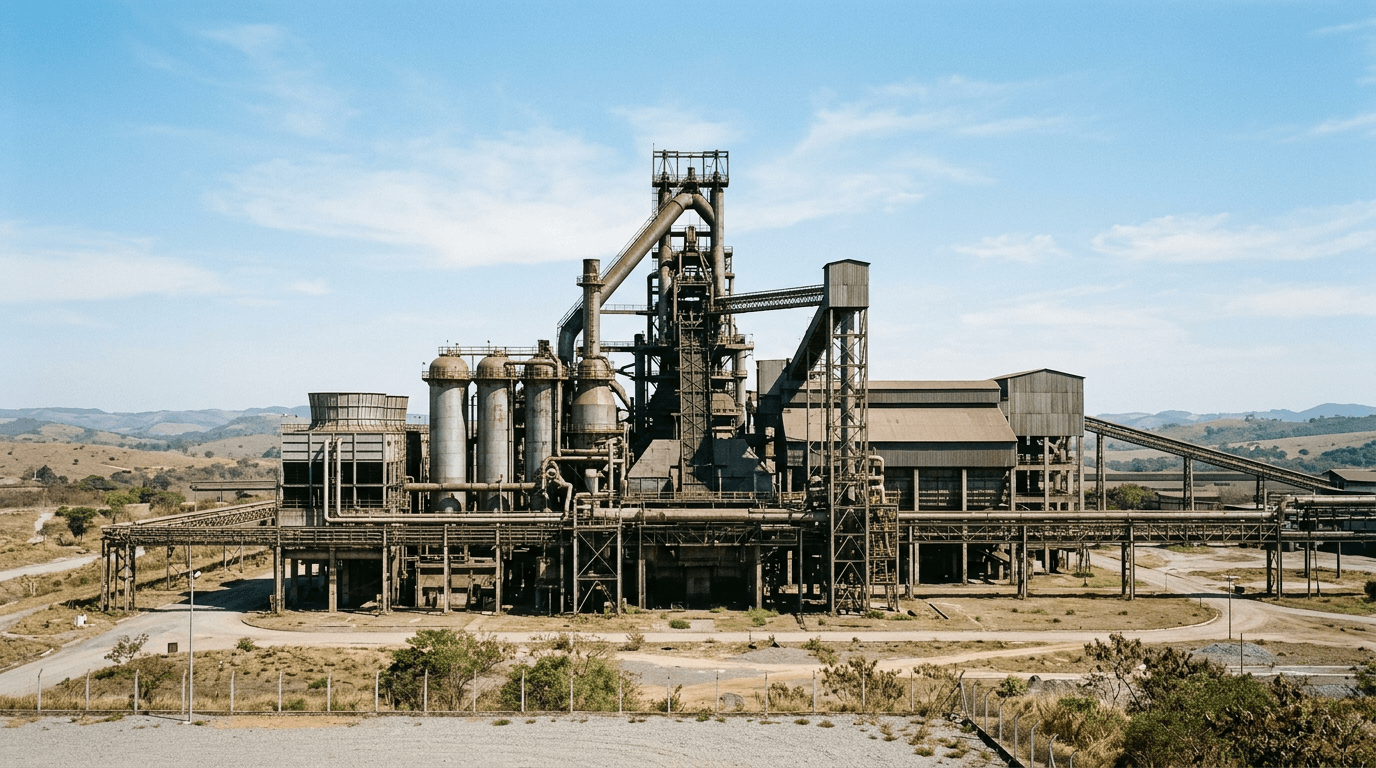
In a regulatory filing on November 6, 2026, Brazilian steelmaker Gerdau confirmed to the Brazilian Securities Commission (CVM) that it has suspended the operations of its blast furnaces and steelworks at its Divinópolis plant in the state of Minas Gerais. The CVM, which acts as Brazil's federal securities regulator, had requested clarification following local media reports regarding the facility's future. Gerdau stated that the decision is part of its strategy to optimize industrial operations in Brazil by concentrating production in its most competitive and technologically advanced assets.
The Divinópolis plant has an annual crude steel capacity of approximately 600,000 tons, which represents about 4% of Gerdau's total global capacity. Because of this relatively small share, Gerdau assured regulators on November 6, 2026, that the suspension does not constitute a "material fact" capable of significantly impacting its stock price or investor decisions. The company emphasized that rolling operations at the plant will continue at a reduced scale using steel sourced from its other industrial units, ensuring that client supply schedules and delivery terms remain entirely unaffected.
Navigating High Costs and Import Pressures
The operational halt in Divinópolis highlights the challenging economic environment facing heavy industry in Brazil. In its communications, Gerdau pointed to a loss of operational competitiveness driven by the high cost of iron ore, elevated maritime freight rates, and a surge of cheap imported steel entering the Brazilian market. These factors have squeezed margins, making the coal-and-ore-reliant blast furnaces at Divinópolis less viable than the company's more modern mini-mills, which melt scrap metal using electric arc furnaces.
While the corporate impact may be contained, the local economic fallout is substantial. According to estimates from the Divinópolis municipal government on November 4, 2026, the suspension of primary steelmaking activities directly affects approximately 1,000 direct and outsourced workers, representing roughly 7.4% of the city's industrial workforce. Local authorities also expressed concern that the reduction in economic activity could dent municipal tax revenues by as much as 15%. Gerdau has stated it is offering technical retraining and exploring internal transfer opportunities for the affected workers.
In your brokerage app
For investors focused on global steel manufacturing and industrial operations, Gerdau is listed on the New York Stock Exchange under the ticker GGB. The company is also a significant holding in broad market funds targeting Latin American equities, such as the iShares MSCI Brazil ETF (EWZ).