
Brazil’s Central Bank Cuts Selic Rate to 13.75%, Boosting Retail and Construction Prospects
Brazil’s central bank, Copom, cut the benchmark Selic interest rate by 0.25 percentage points to 13.75% per annum, a move expected to stimulate the highly rate-sensitive retail and civil construction sectors.
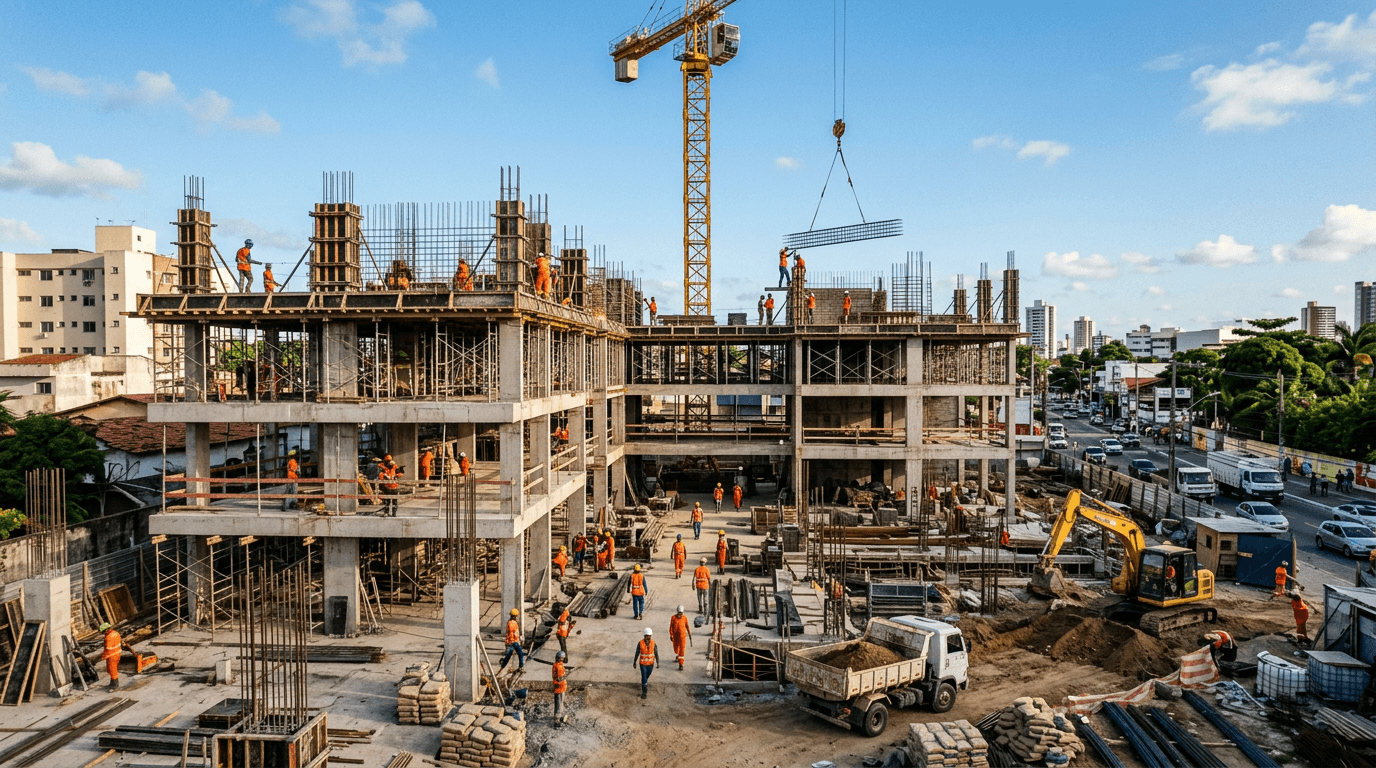
Brazil’s Monetary Policy Committee, known by its Portuguese acronym Copom, delivered a widely anticipated interest rate cut today, reducing the benchmark Selic rate by 0.25 percentage points to 13.75% per annum. The decision signals the continuation of a long-awaited monetary easing cycle, offering a significant boost to rate-sensitive sectors such as civil construction and domestic retail, which have been depressed by high borrowing costs.
The cut marks the fifth consecutive reduction in a cycle that began earlier this year from a high of 15%. The Selic is Brazil’s primary monetary policy tool, setting the floor for all lending rates in the economy, from corporate credit to mortgages and consumer loans. For foreign observers, Brazil's interest rates remain among the highest in the world, with the "real" rate—the Selic minus expected inflation—standing just under 10% earlier this year. This tight monetary stance was necessary to tame persistent inflation, but it severely limited economic activity by making credit prohibitively expensive for businesses and consumers alike.
The primary beneficiaries of the lower Selic rate are sectors that rely heavily on credit availability and consumer demand. The civil construction industry, for instance, depends on long-term financing for housing projects, while retail sales are significantly influenced by the cost of consumer credit and credit card interest. Analysts view the move as one that will directly lower the cost of capital for these companies and, crucially, improve the valuation of their assets by reducing the discount rate used for future earnings.
The Central Bank's decision is underpinned by recent data showing a moderation in inflationary pressures—with the 12-month National Consumer Price Index (IPCA) slowing to 4.22%—and signs of cooling economic growth. While the rate cut provides immediate relief, analysts caution that a meaningful impact on consumer spending and corporate investment depends on a sustained cycle of reduction. Policymakers must balance the need to stimulate a slowing economy with continued vigilance against inflationary risks, particularly with global uncertainty remaining high.
What it touches
The continuation of the easing cycle directly impacts companies in the domestic-facing retail and civil construction sectors. Lower interest rates reduce the debt-servicing costs for these firms and are expected to improve sales volumes by making credit cheaper for consumers and homebuyers. Stocks associated with homebuilding, specialized financing, and non-essential consumer goods are often the first to react to the improved interest rate environment in São Paulo's B3 stock exchange.