Brazil Water Utility Sanepar Secures $360 Million Infrastructure Deal
Sanepar successfully auctioned a R$ 2 billion asset-leasing contract on the São Paulo stock exchange to build a regional water supply system.
Global investors tracking municipal infrastructure and utility concessions have a new case study in how public-private partnerships may offer a model to navigate political hurdles. On October 28, 2026, a major Brazilian state-controlled utility successfully leveraged private capital to fund a massive regional expansion, demonstrating that critical water infrastructure projects can still attract private backing even when broader market appetite remains selective.
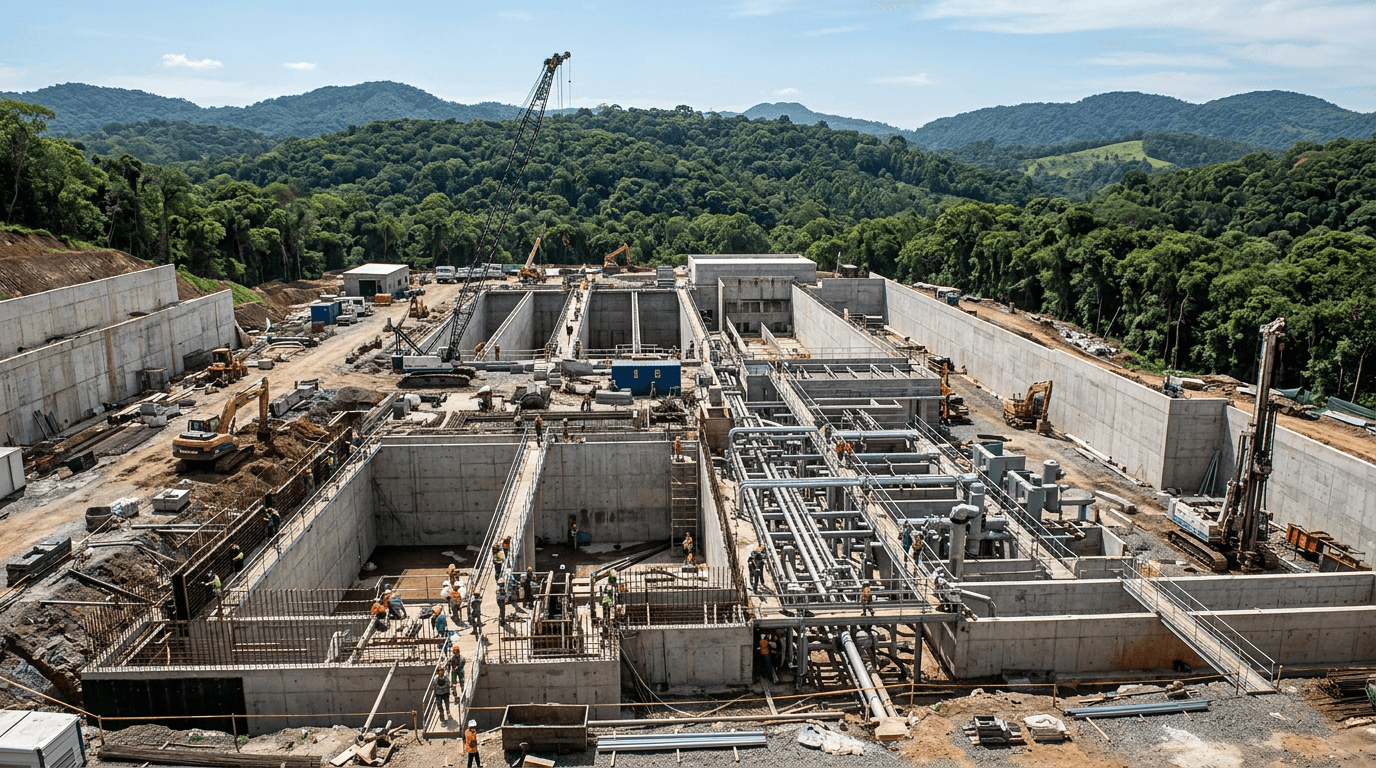
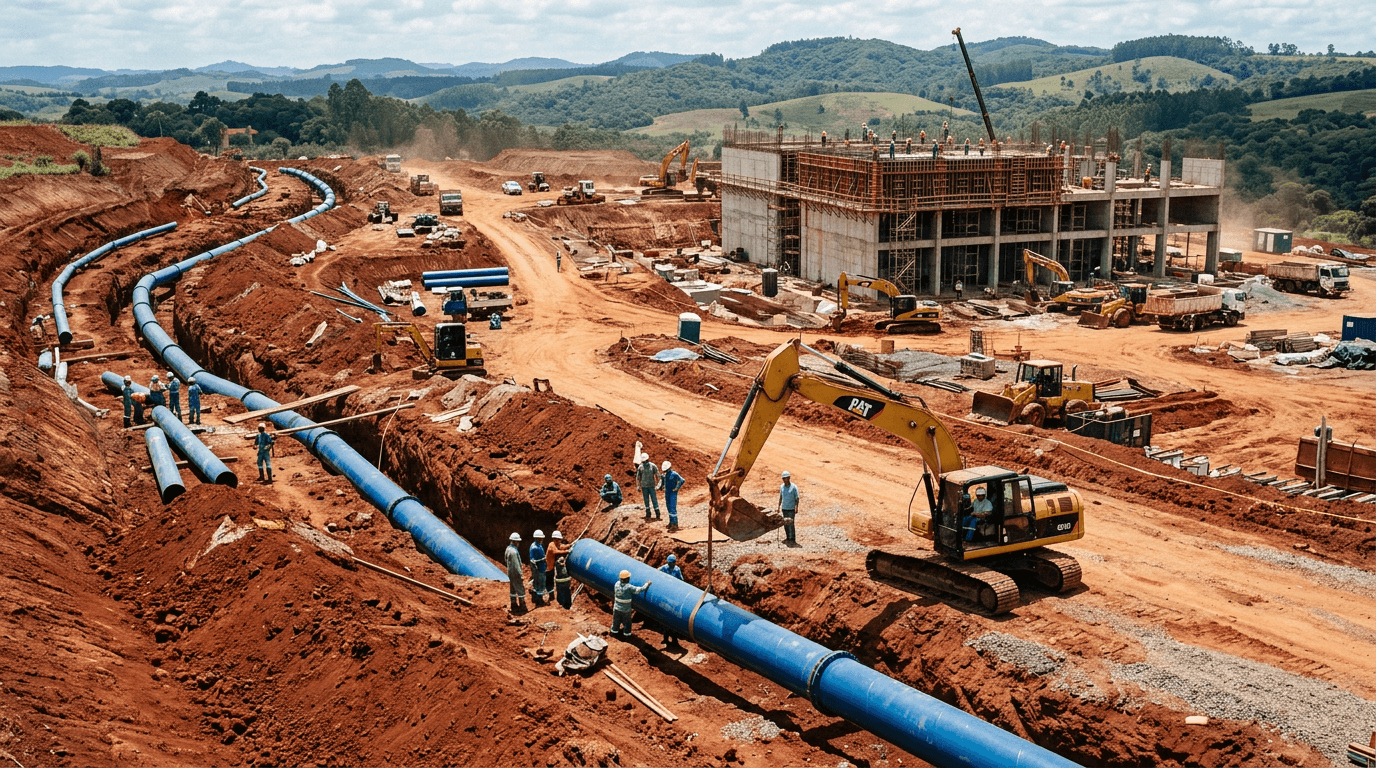
The Companhia de Saneamento do Paraná, known as Sanepar, held an international auction on the São Paulo stock exchange (B3) on October 28, 2026, to secure a R$ 2 billion ($360 million) asset-leasing contract. The contract covers the construction of the Integrated Water Supply System of Northern Paraná, a regional network designed to secure clean water access for the municipalities of Apucarana, Arapongas, and Rolândia.
The Consórcio Águas do Paraná, a private consortium led by the private equity fund Blueocean alongside construction firms PB Construções and TGA, emerged as the sole bidder. The consortium secured the deal with a monthly lease proposal of R$ 9.03 million ($1.6 million), representing a 3% discount relative to the maximum price ceiling established in the official bidding guidelines.
Bypassing the Privatization Debate
This transaction highlights a growing trend in the Brazilian utility sector: using alternative structural models to attract private investment without triggering the political backlash associated with full privatization. Under the 20-year and six-month build-and-lease model, the private consortium will finance and construct the physical water pipelines, intake structures, and pumping stations. However, Sanepar will retain 100% control over water treatment and distribution operations, ensuring the public company remains the sole face of public service delivery.
This hybrid model addresses acute political sensitivities. While some Brazilian states have aggressively privatized their water utilities, the state government of Paraná has explicitly kept Sanepar off the privatization table. By opting for an asset-lease structure, the state maintains public oversight of its water department while utilizing private capital to meet federal universalization mandates, which require Brazilian municipalities to guarantee regular water supply and sewage services to nearly their entire populations by 2033.
The project is slated to begin with a 30-month construction phase, followed by an 18-year operational lease period. According to official Sanepar project specifications published by BNamericas, once fully operational, the new infrastructure will draw from local river basins to pump an additional 1,200 liters of treated water per second into the regional grid. This design aims to mitigate the risk of seasonal water scarcity in an area home to over 1.4 million residents.
Publicly Traded Water Utilities
For global investors tracking the Latin American water and sanitation sector, other publicly traded Brazilian water utilities operate under different corporate structures. Sabesp (Companhia de Saneamento Básico do Estado de São Paulo), which is listed in New York, completed a historic privatization process to transition into a fully private, corporation-style utility. Meanwhile, Sanepar remains controlled by the state of Paraná, utilizing targeted private partnerships and asset-leasing concessions to expand its municipal footprint while maintaining public administrative control.