Brazil Halts Rate Cuts, Keeping Selic at 13.75% as Fiscal Fears Rise
Brazil's central bank paused its rate-cut cycle on November 4, 2026, keeping the Selic rate at 13.75% amid post-election fiscal worries and a rising dollar.
American retail investors holding emerging market funds or international equities saw a sharp shift in Latin America's largest economy on Wednesday. For global investors accustomed to the Federal Reserve’s policy path, the cost of capital in Brazil has hit a sudden roadblock that complicates the valuation of some of the highest-yielding assets available in US brokerage accounts.
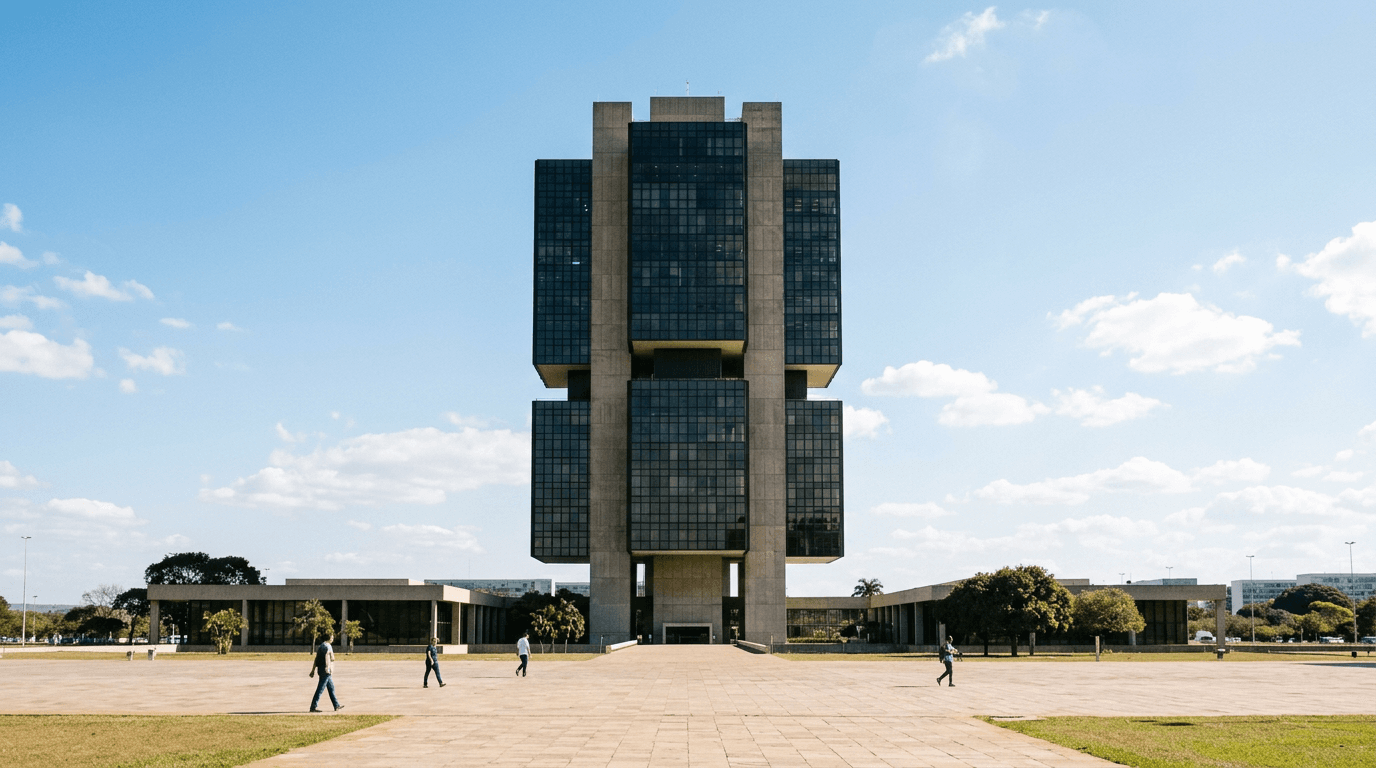
On November 4, 2026, Brazil’s central bank monetary policy committee, known as Copom, voted unanimously to keep its benchmark Selic interest rate unchanged at 13.75%. The decision, published on the Banco Central do Brasil website, abruptly halted a cycle of five consecutive rate cuts of 0.25 percentage points each that began in March 2026. Prior to this pause, the central bank had successfully lowered the benchmark rate from a restrictive peak of 15%.
The sudden pause reflects a rapid deterioration in market sentiment following the October 25, 2026, re-election of leftist President Luiz Inácio Lula da Silva. In the days immediately following the vote, the Brazilian real depreciated by 9.46%, sliding from 4.98 reais per dollar on the eve of the runoff to 5.45 reais per dollar by the close of trading on November 4, 2026, according to data compiled by CNN Brasil. Wall Street and local asset managers have grown increasingly concerned that the administration will expand public spending, fueling domestic inflation and putting the central bank's credibility on the line.
This was the first monetary policy meeting led by Central Bank Governor Gabriel Galípolo since the election. In its official statement, the committee noted that domestic inflation expectations for 2026 have drifted to 5.22%, landing well above the government’s official target ceiling of 4.5%. The central bank emphasized that a combination of domestic fiscal uncertainties, currency volatility, and global pressures—specifically rising oil prices driven by ongoing Middle East conflicts—demanded a halt to monetary easing.
With the Selic rate frozen at 13.75%, the high cost of local credit is expected to weigh on domestic corporate earnings and consumer spending. However, the decision also preserves Brazil’s substantial "carry trade" yield advantage, which may help stabilize the real if the government offers concrete signals of fiscal discipline in the coming weeks.
In your brokerage app
For US retail investors, this monetary pause directly affects the iShares MSCI Brazil ETF, a popular fund that tracks large- and mid-sized Brazilian companies. High local interest rates generally pressure the equity valuations of major US-listed Brazilian corporations, such as financial giants Itaú Unibanco and Banco Bradesco, as well as the digital banking platform Nu Holdings, all of which are listed in New York.