
Brazil Real Lost Carry Appeal as 2022 Election Risk Premium Outweighed High Selic Rate
A look back at the 2022 election cycle shows how the political risk premium, centered on the race between Lula and Jair Bolsonaro, caused major financial institutions to abandon the Brazilian Real's carry trade despite high domestic interest rates.
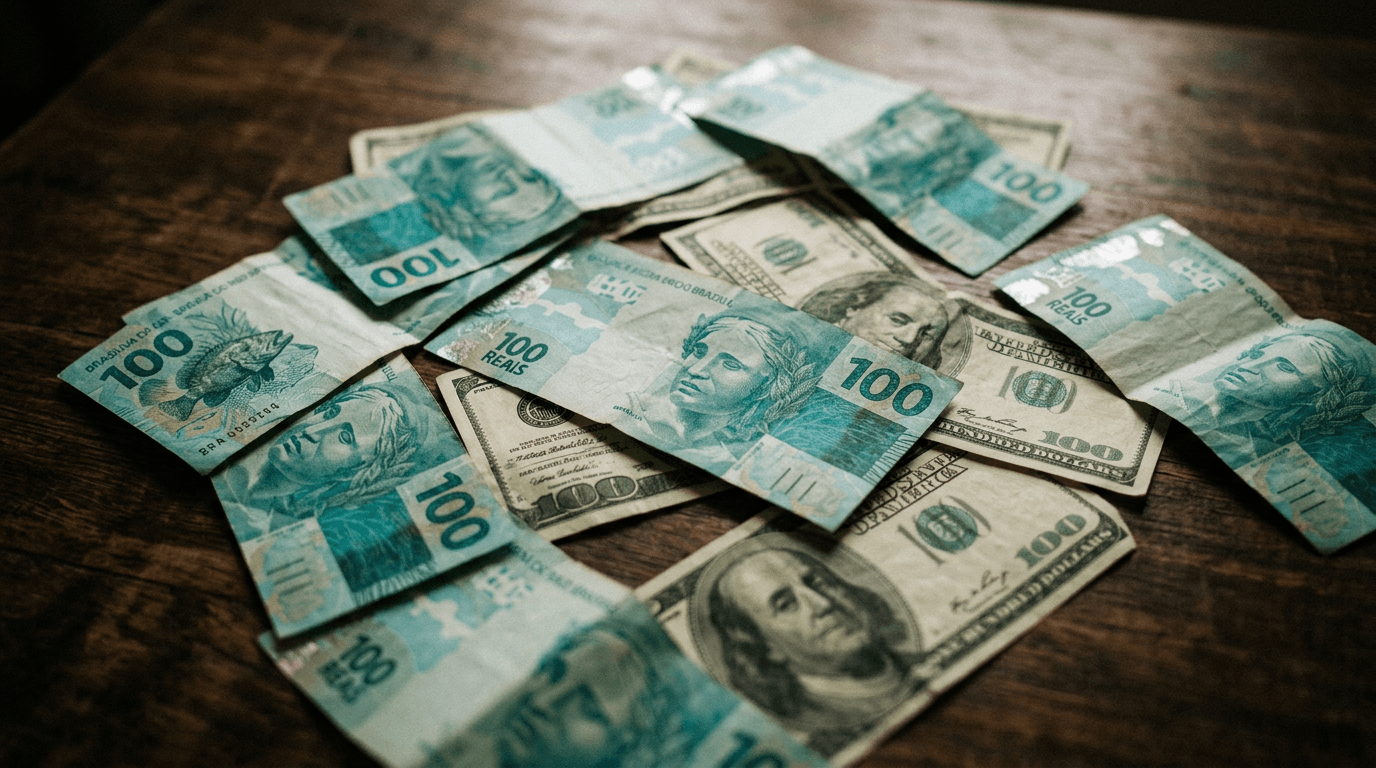
The Brazilian Real (BRL) was removed from a core emerging market currency basket in 2022, signaling that the extreme political uncertainty ahead of the presidential election was overriding the support provided by Brazil’s high interest rates. In August 2022, Citigroup announced it was replacing the Real with the South African Rand (ZAR) in its emerging market carry trade recommendation, explicitly citing the likely re-election of then-candidate Luiz Inácio Lula da Silva.
This market decision illustrated that Brazil’s status as a favored destination for the global carry trade—a strategy where investors borrow in a low-interest-rate currency to invest in a higher-rate one—had been fundamentally undermined by what markets termed the “electoral risk premium.” While Brazil’s Selic policy rate offered a substantial interest-rate advantage, investors demanded greater compensation to hold the currency due to deep concerns over the country’s long-term public finances.
The market's concern centered on the contest between Lula and the incumbent President Jair Bolsonaro, who was running for re-election. Flávio Bolsonaro, a Senator, was a campaign coordinator for his father, but not the presidential candidate. Investors worried that a Lula victory would bring sustained fiscal pressure and a reluctance to implement the structural spending cuts necessary to stabilize Brazil's public debt, which stood at about 82% of Gross Domestic Product (GDP) at the time. Conversely, Jair Bolsonaro was seen by many investors as the candidate more likely to deliver the required budget adjustment.
This perception made the Real extremely sensitive to political news in the run-up to the vote. The BRL posted a significant one-day decline in August 2022 after polls suggested Lula was building a greater lead than expected, demonstrating how tightly the currency's valuation was tied to the market’s perception of future fiscal discipline. The risk manifested as capital flowing out of local assets, a rising USD/BRL exchange rate (a weaker Real), and a corresponding jump in yields on long-term local government debt, reflecting heightened concern over the funding of the federal budget.
The first round of the presidential election took place on October 2, 2022, with a runoff vote held on October 30. Until the final result confirmed the path forward, the Real remained highly volatile, with the electoral risk premium outweighing the lure of high domestic interest rates.
What it touches
The unwinding of the carry trade directly impacted foreign exchange investors holding the Brazilian Real (BRL) and those positioned in Brazil’s local debt market, particularly longer-dated fixed-income instruments. During the period of uncertainty, investors seeking exposure to emerging market currency yield reallocated away from the BRL and toward alternative currencies like the South African Rand (ZAR).
Latest articles
Politics · PRO
Lula Rejects Privatization of PIX, Doubling Down on State Control of Brazil’s Digital Finance
Published
Politics
Lula Criticizes 'Digital Neoliberalism' at UN, Demands Global Governance for AI and Big Tech
Published
Markets
Speculative Traders Place Major Bullish Bet on Soybeans, A Key Indicator for Brazil’s Record Harvest
Published