
Brazil’s Real Under Pressure as Investors Pull $8 Billion, Overshadowing Robust Trade Surplus
Foreign investors withdrew over $8 billion in portfolio capital from Brazil in August, pushing the Real lower despite a massive trade surplus.
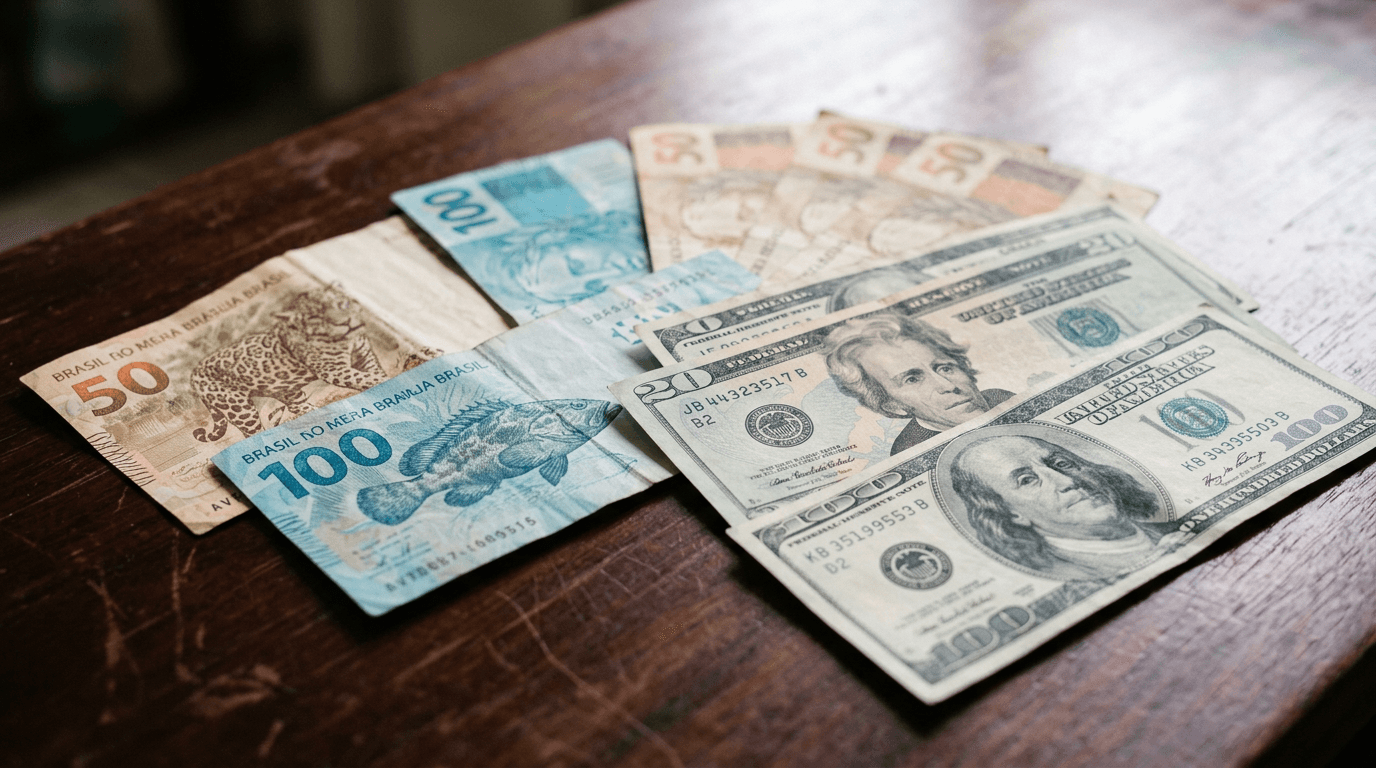
International investors withdrew over US$8 billion in capital from Brazil in August, signaling a sharp shift in sentiment that has placed immediate pressure on the value of the Brazilian Real (BRL). Data up to August 28th shows Brazil registered a total negative foreign exchange flow of US$3.095 billion for the month, a reversal of the net inflows seen in July. The deficit was driven almost entirely by a net financial outflow of US$8.014 billion, which accounts for portfolio investment leaving the country, as well as profit and dividend remittances by foreign companies.
The significant financial flight is striking because it occurred despite the commercial side of the ledger—the trade balance—remaining exceptionally strong. Brazil's trade surplus posted a US$4.918 billion surplus in the same period, continuing the nation’s run as an export powerhouse, particularly in agriculture and commodities. Year-to-date, the country’s total foreign exchange flow remains positive at US$16.601 billion, but this figure is entirely sustained by the massive trade surplus that has offset cumulative net financial outflows of US$26.621 billion since the start of the year. This tension highlights a critical challenge for the Central Bank of Brazil: while the economy earns record amounts of foreign currency through goods exports, international financial capital is consistently flowing out.
The mechanism behind this "capital flight" is rooted in global risk appetite and monetary policy. When the US Federal Reserve keeps interest rates elevated or signals potential hikes, US assets become more attractive to international funds, leading to a rotation out of emerging markets like Brazil. These outflows include capital that was held in Brazilian government bonds and equities (portfolio investment) and profits that global corporations operating in Brazil are sending back to their headquarters. In effect, the financial market is discounting the positive news from Brazil’s economy—a booming trade sector, strong employment—in favor of safer or higher-yielding opportunities in developed markets.
For the ordinary Brazilian consumer, and for companies that rely on imports, this sustained outflow has immediate consequences on purchasing power. Less dollar supply from financial markets translates into a more expensive dollar, which in turn fuels inflation on imported goods and energy. The currency market has reflected this pressure, with the Real depreciating to 5.0956 per US dollar today. Moving forward, observers will be watching the next decision by the Central Bank's Monetary Policy Committee (Copom) in September. Should the financial outflow continue to pressure the currency, it complicates the Central Bank’s path to cutting its benchmark interest rate (Selic), as further cuts could reduce the attractiveness of Brazilian debt and accelerate the financial exodus.
What it touches The sustained financial outflow and pressure on the currency directly impacts investors holding Brazilian-denominated assets. This affects the performance of Brazilian equities, often accessed via ETFs that track the Ibovespa index, and debt instruments held in the local currency, as returns are eroded when converted back to US dollars. The USD/BRL exchange rate of 5.0956 (+0.66%) today reflects this fundamental pressure.