Brazil’s Giant Soy Harvest Caps Global Grain Price Rallies
Brazil is projected to harvest an unprecedented 184 million metric tons of soybeans for the 2026/27 cycle, capping global grain price rallies.
Global agricultural markets continue to face downward pressure as massive supply expansions from South America offset domestic production dynamics. According to Chicago Board of Trade (CBOT) data compiled by CME Group, November soybean futures fell to $12.1975 per bushel on October 29, 2026. Analysts at StoneX noted that a rapid opening window for the U.S. autumn harvest, combined with favorable early-season soil moisture in South America, has consistently limited upward momentum for agricultural contracts.
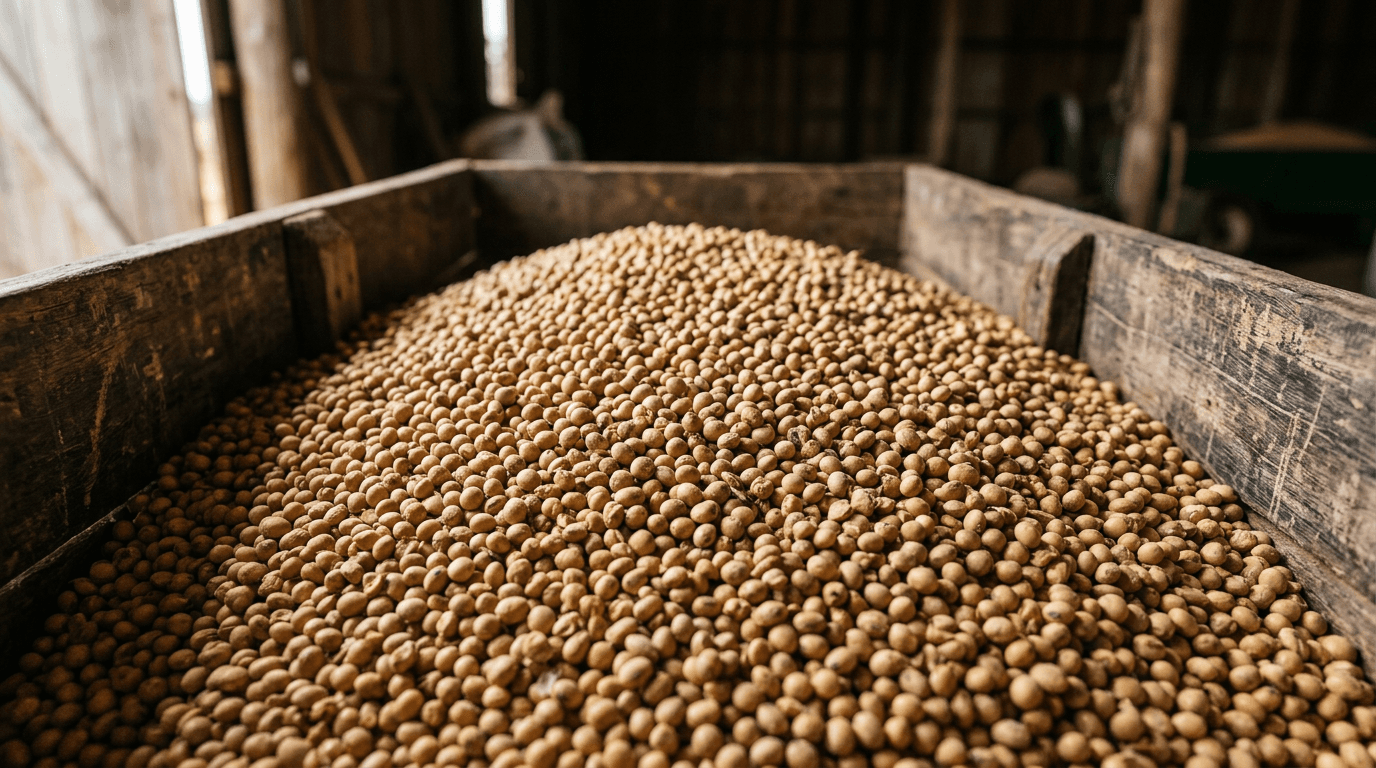
In Brazil, the world's largest soybean exporter, farmers are preparing to bring another historically large crop to the global market. An October 22, 2026, report by the U.S. Department of Agriculture’s Foreign Agricultural Service attaché in Brasilia projected Brazil's 2026/27 soybean harvest at an unprecedented 184 million metric tons. This unofficial forecast represents a nearly 2% increase from the previous cycle's revised harvest of 180.5 million metric tons, positioning the country for its third consecutive year of record-breaking production.
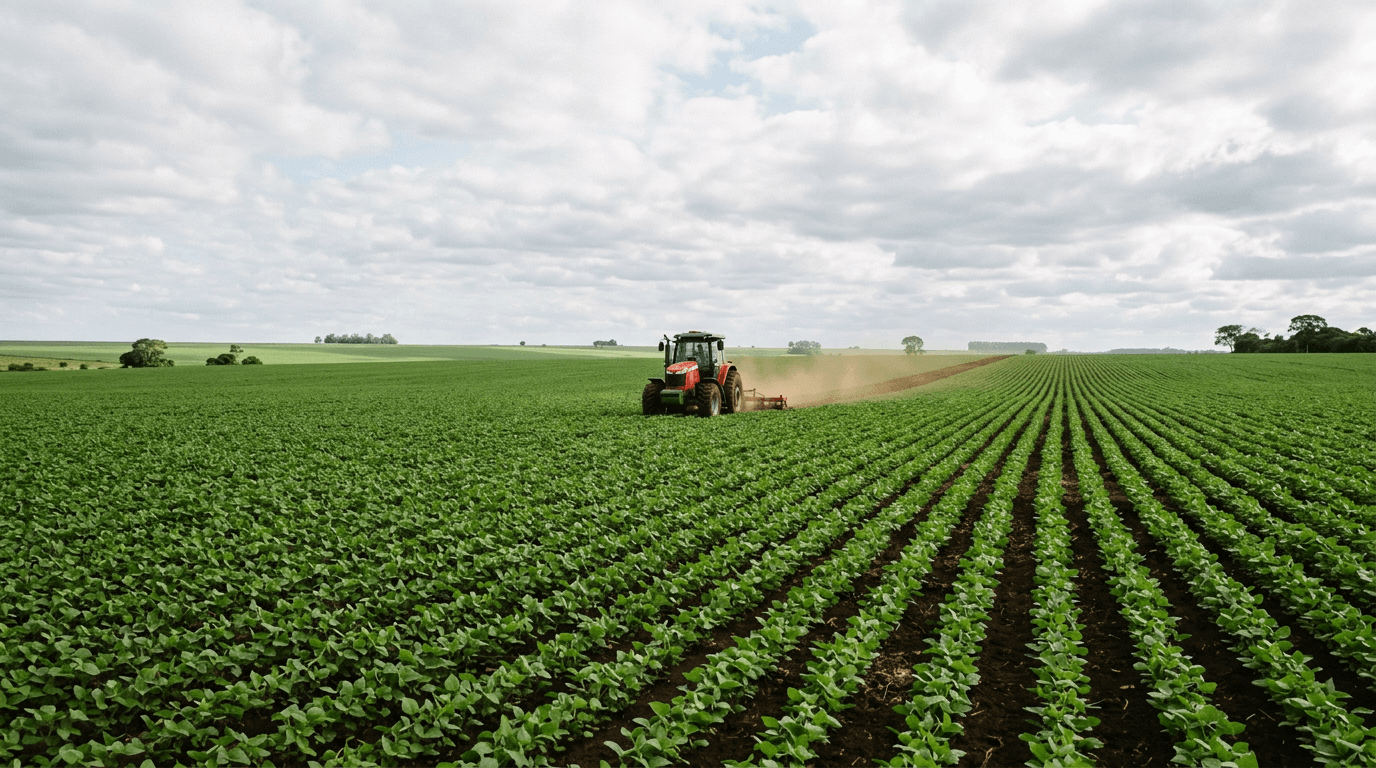
This massive output is driven by a projected 1.4% expansion in planted area, bringing Brazil's total soybean acreage to 49.7 million hectares. While this growth rate is slower than the five-year average of 4.2% as local farmers navigate rising fertilizer and crop protection costs, early-season rainfall has supported rapid planting across key agricultural regions. The local state agency IMEA reported that planting in Mato Grosso—Brazil's primary grain-producing state—reached 75% completion in late October 2026, marking the fastest pace on record.
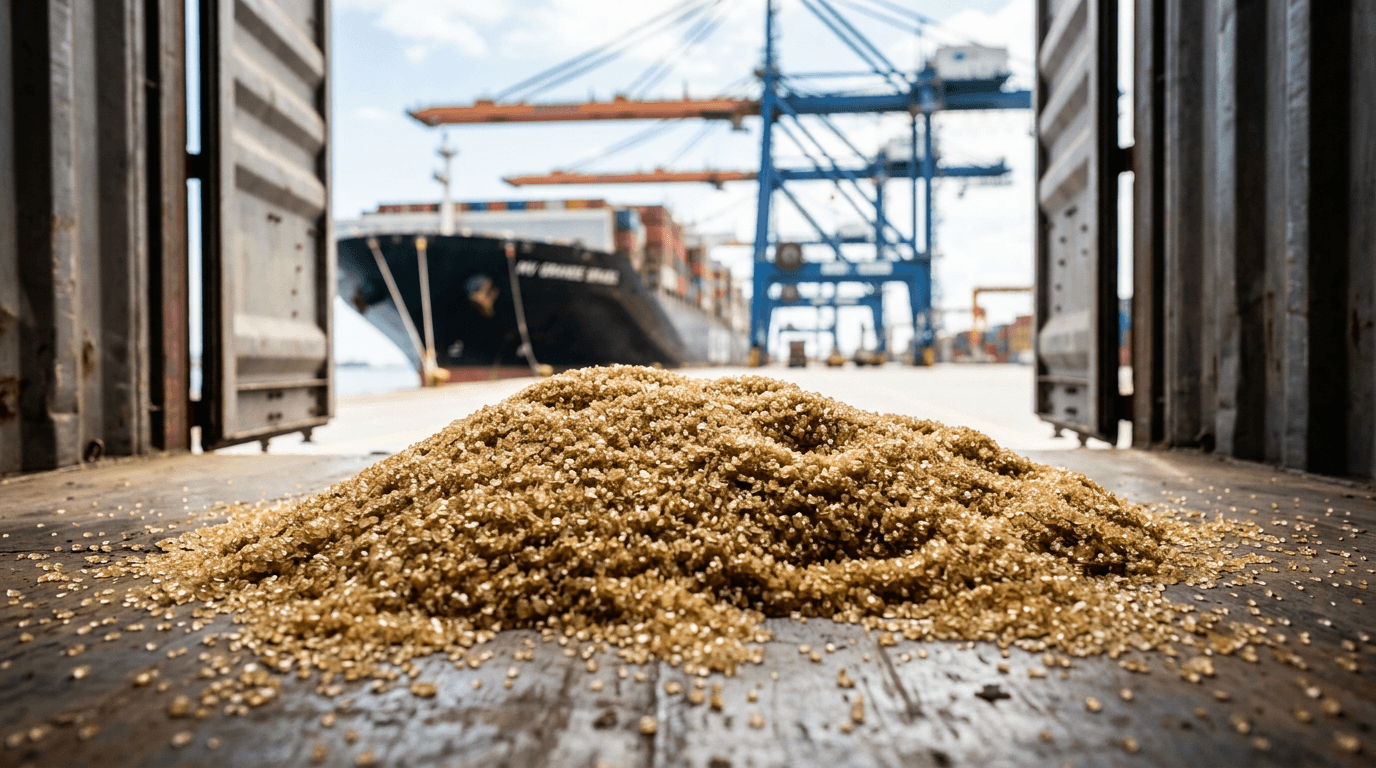
For global commodities markets, this South American supply surge acts as a heavy lid on price rallies. The USDA attaché forecast Brazil's 2026/27 soybean exports to rise 2.1% to 117.5 million metric tons. Commodity analysts note that this export push will likely maintain Brazil's dominance in global markets, even as Chinese import demand shows signs of a modest slowdown and Brazilian crushers process more grain domestically to satisfy local biofuel mandates.
While weather challenges like El Niño and heavy rains in the southern state of Rio Grande do Sul could still disrupt harvest operations in early 2027, market observers expect these climate factors to impact the timing of harvest logistics rather than overall yields. Commodity analysts note that unless a severe, unexpected weather shock materializes in South America, the sheer volume of Brazilian soy is expected by market participants to exert ongoing downward pressure on global grain prices, helping to stabilize feed costs for livestock producers and food manufacturing inputs.