
Brazil Poultry Export Restrictions Follow Localized Turkey Virus Case
Global poultry trade flows face shifts after Brazil confirmed a Newcastle disease outbreak at a southern turkey farm, triggering localized import bans.
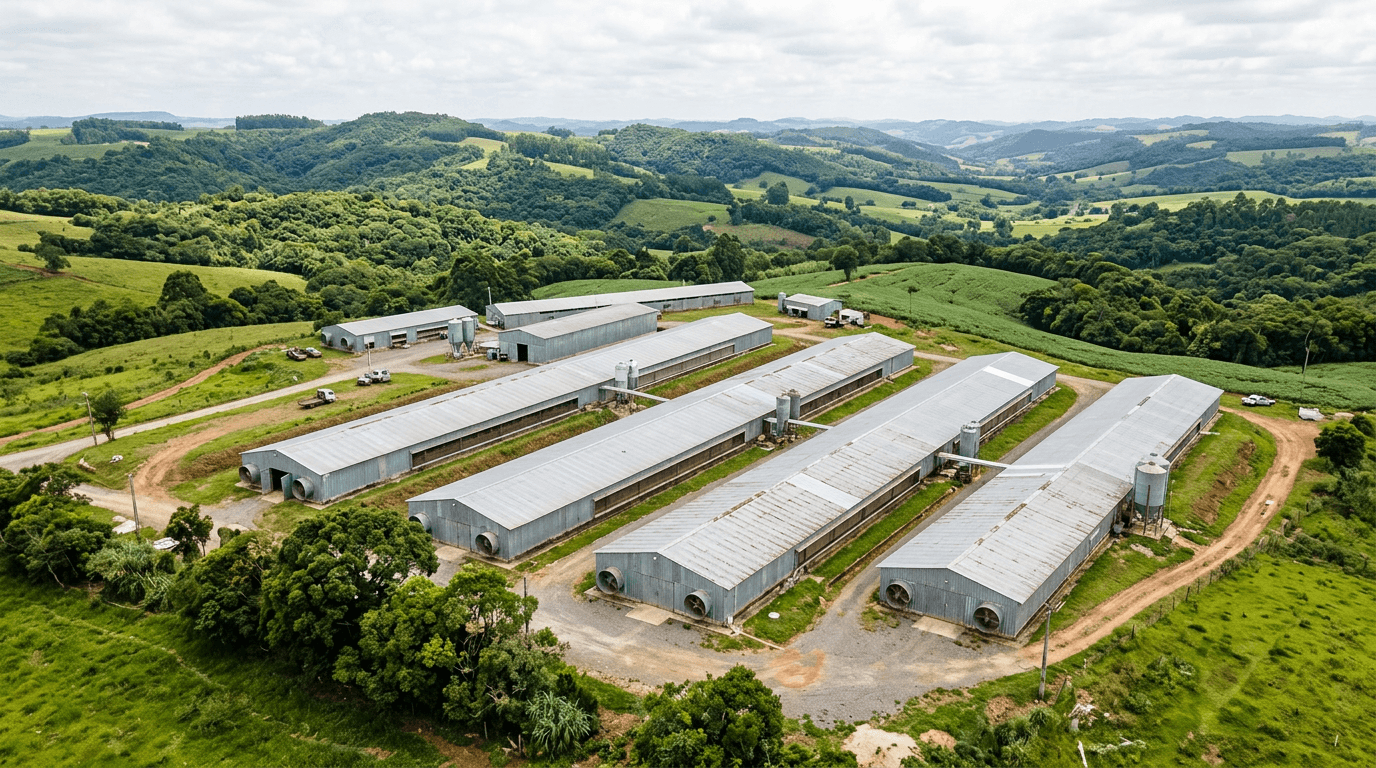
Global meat trade flows are adjusting to new restrictions after Brazilian authorities confirmed an outbreak of Newcastle disease at a commercial turkey farm in the southern state of Santa Catarina. While the virus is harmless to humans consuming inspected meat, its highly contagious nature among birds makes strict quarantine and trade blockades standard international protocol. The localized outbreak has prompted immediate, uneven import bans from several of Brazil's largest international buyers.
Brazil's Ministry of Agriculture and Livestock confirmed the case on October 18, 2026, at a commercial turkey facility in Nova Itaberaba, Santa Catarina. The state is a critical hub for global poultry, accounting for approximately 23% of Brazil's total chicken exports during the first nine months of 2026. In response, Agriculture and Livestock Minister André de Paula declared a 60-day animal health emergency across four municipalities in the region to facilitate quarantine, culling of the affected flock of 6,000 turkeys, and active surveillance across 133 local properties.
The regulatory response from global trading partners has varied by jurisdiction. Mexico completely suspended all poultry imports from Brazil to protect its domestic flocks. Meanwhile, other major importers, including China and Chile, restricted their bans specifically to poultry products originating from the state of Santa Catarina.
For global markets, these restrictions threaten to temporarily redirect trade volumes. When Brazil faced a similar Newcastle outbreak in the neighboring state of Rio Grande do Sul in July 2024, the temporary trade disruptions caused a short-term drop in monthly export volumes. While analysts note that a localized outbreak is unlikely to cause lasting damage to Brazil's agricultural infrastructure, the shifting trade channels force international buyers to adjust their sourcing.
In your brokerage app
For investors holding shares of major food processors, these export restrictions directly affect local logistics and operations. BRF S.A., a major Brazilian poultry processor with significant operations concentrated in southern Brazil, is listed in New York and is sensitive to regional export bans. Meanwhile, its peer JBS S.A., also listed in New York, maintains a different operational footprint, with poultry processing facilities distributed across both North and South America.