
US Beef Prices Face Pressure as Brazil Hits China Export Cap
Brazil has officially exhausted its tariff-free beef quota to China, triggering a 55% safeguard tariff that will divert millions of tons of meat to the US.
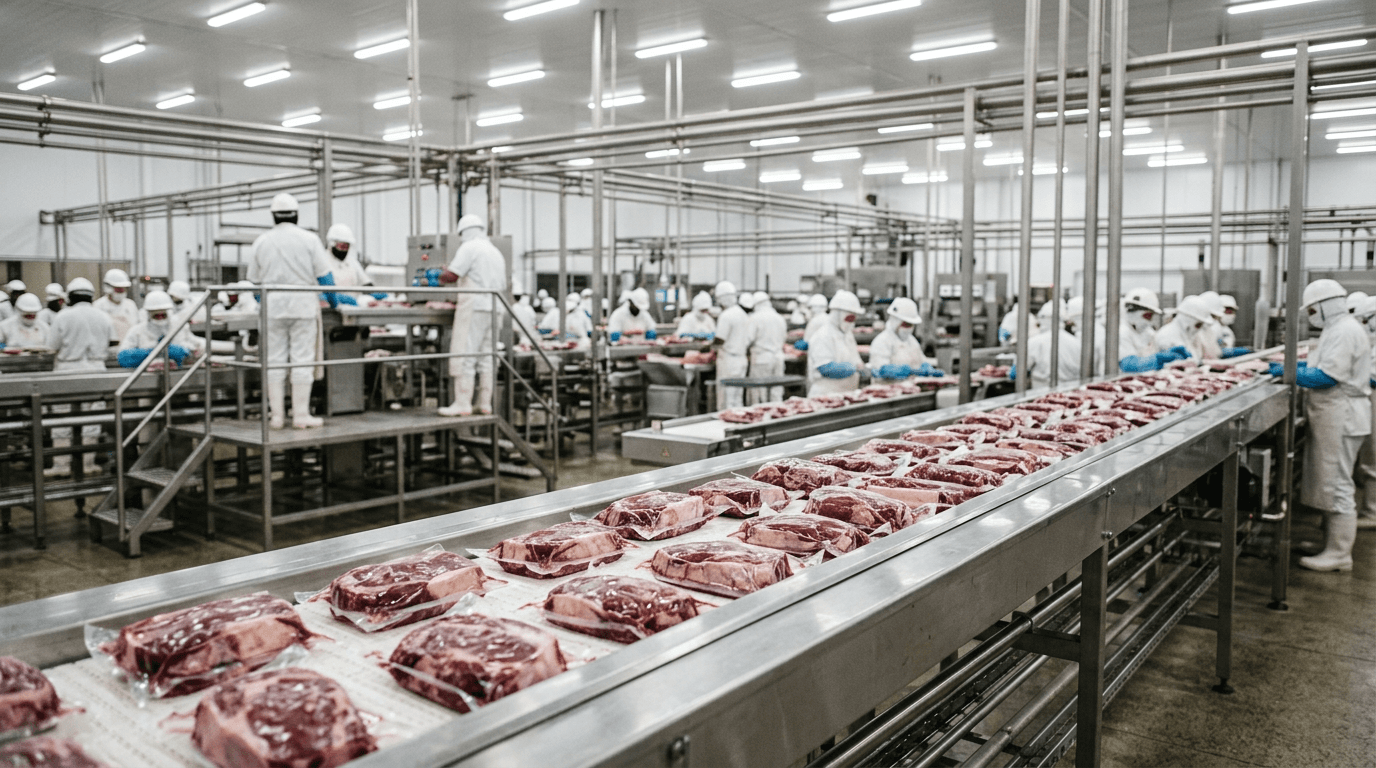
American shoppers and retail investors are about to feel the ripple effects of a major trade shift in the global meat market. On October 1, 2026, China officially activated a massive 55% safeguard tariff on Brazilian beef imports. This trade barrier, designed to protect China's domestic cattle industry, was triggered after Brazil officially filled its 2026 tariff-free export quota of 1.106 million tonnes on September 29, 2026.
Brazil, which reigns as the world's largest beef exporter, now faces a total import tariff of 67% in China when combining the new safeguard with the standard 12% most-favored-nation duty. Because this steep tax makes continuing shipments to China commercially unviable for the remainder of the year, Brazilian meatpackers are rapidly redirecting huge volumes of meat to alternative international markets. Chief among these destinations is the United States.
This sudden shift directly impacts the US beef supply chain. Brazil is already a dominant player in the American market, supplying 21.7% of all US beef trimming imports for the calendar year to date. Industry analysts expect the influx of diverted Brazilian beef to flood the US market, potentially cooling domestic US beef prices. This comes at a time when US beef production has been historically low, which had previously driven domestic live cattle futures to 231.2 cents per pound as of October 20, 2026.
The quota system, introduced by China's Ministry of Commerce (MOFCOM) in January 2026, runs through 2028 and establishes strict country-specific limits to shield Chinese livestock farmers from cheap imports. Brazilian President Luiz Inácio Lula da Silva attempted to bypass the restriction by negotiating to use Uruguay’s unused Chinese quota allocation, but Beijing officially rejected the proposal in late September. Consequently, the Brazilian Beef Industry and Exporters Association (Abiec) projects that Brazil's total global beef export volumes will drop by 10% in 2026.
In your brokerage app
For retail investors, this global trade disruption directly impacts JBS S.A., the world's largest meat processing company. While JBS is headquartered in Brazil, its American depositary receipts trade in New York under the ticker JBSAY. Because JBS maintains highly diversified production facilities across both North America and South America, the company is uniquely positioned to navigate these shifting trade flows by processing and redirecting beef through its US-based operations to capture shifting margins.