
Why Brazil Agribusiness Demands Geopolitical Balance From Next President
Brazil's powerful farm sector warns presidential frontrunner Flávio Bolsonaro that ideological alignment with Donald Trump must not alienate China.
Following the first-round presidential election on October 4, 2026, conservative candidate Flávio Bolsonaro holds a lead over incumbent President Luiz Inácio Lula da Silva. The senator and eldest son of former President Jair Bolsonaro has pledged a deep, ideological alignment with a potential Donald Trump administration in the United States, advocating for Brazil to join a U.S.-led "Shield of the Americas" security initiative. However, this geopolitical pivot is triggering alarm bells across Brazil's powerhouse agricultural sector, which relies heavily on Beijing.
At an industry event hosted by the business school Insper in São Paulo on October 7, 2026, prominent agribusiness leaders and trade experts warned that political posturing must not jeopardize Brazil's vital relationship with China. Ricardo Santin, president of the Brazilian Animal Protein Association (ABPA), summarized the sector's pragmatic stance with a blunt reminder: "Chicken has no political party." The industry's message is clear: while political affinity may lie with Washington, commercial survival remains anchored in Beijing.
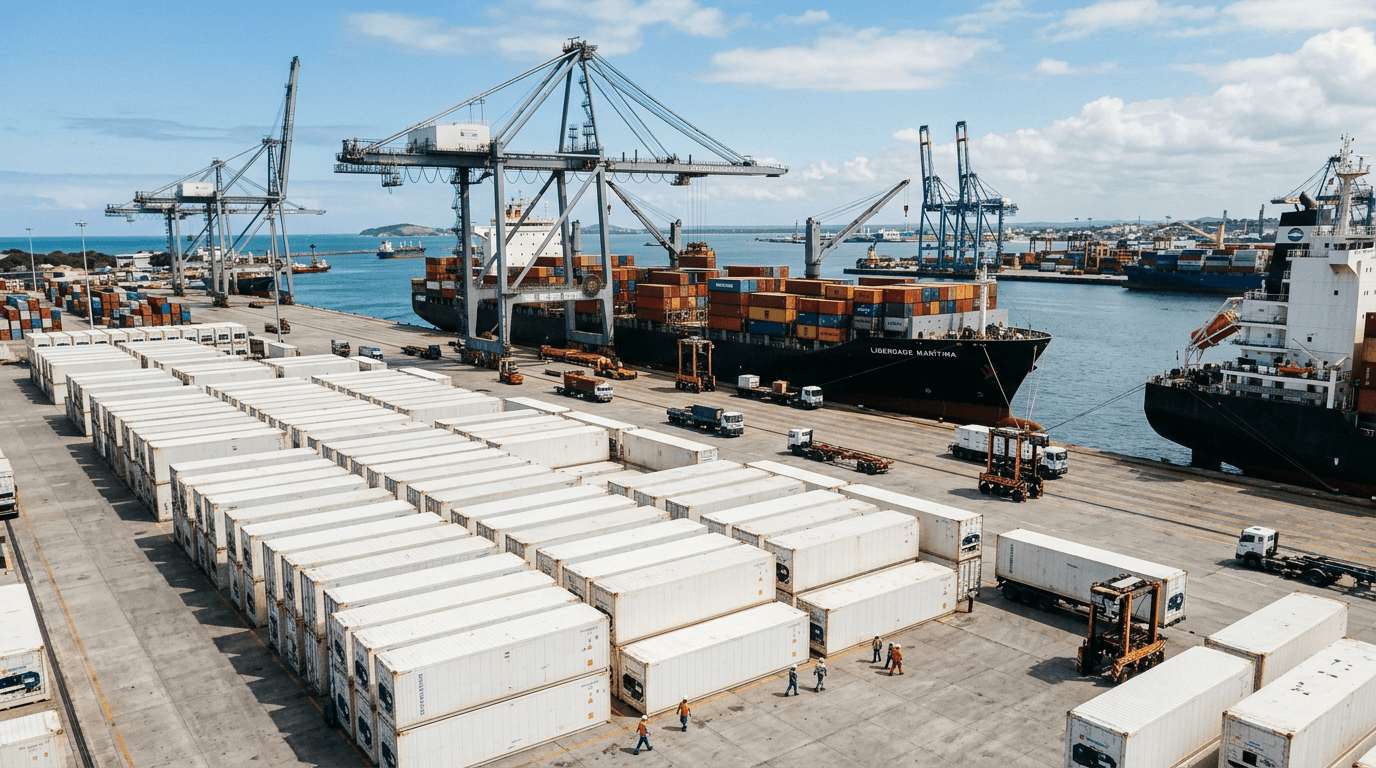
China is the undisputed top buyer of Brazilian agricultural exports, absorbing massive volumes of soy, beef, and poultry. Beyond trade, Chinese state-backed companies are major investors in Brazil's strategic logistics infrastructure, funding the expansion of ports, railways, and cold-chain shipping facilities that allow the country's interior farms to reach global markets. Larissa Wachholz, a China specialist and former advisor to the Ministry of Agriculture, noted that Beijing has been observing Latin America with "great caution," watching closely to see where its investments and trade are genuinely welcomed.
The Cost of Ideological Friction
The agricultural lobby fears a repeat of the diplomatic friction seen during the elder Bolsonaro's presidency, when ideological clashes temporarily strained relations with Beijing. Marcos Jank, coordinator of Insper Agro Global, emphasized that the protectionist policies and tariff threats characteristic of the Trump era have already made the international trading environment highly complex. For Brazil, maintaining open channels with both global superpowers is not a luxury, but a necessity to protect the country's agricultural gross domestic product.
Industry representatives stress that the global scale of Brazil's food supply chain obligates any sitting president to maintain strict diplomatic neutrality. While the conservative campaign promises a hardline stance against communist regimes, the practical reality of the farm sector—which drives a massive portion of the national economy—demands a delicate balancing act.
As the second-round runoff approaches, the agribusiness lobby is actively pressuring Flávio Bolsonaro's campaign to moderate its foreign policy rhetoric. The sector's leadership hopes to secure guarantees that, should the conservative frontrunner win the presidency, pragmatic trade diplomacy will ultimately override ideological alignment.