
Global Food and Biofuel Supply Chains Face Squeeze as Brazil Soy Growth Stalls
Brazil’s Conab projects a 20-year low in soybean acreage growth for the 2026/27 season, squeezing global supply margins.
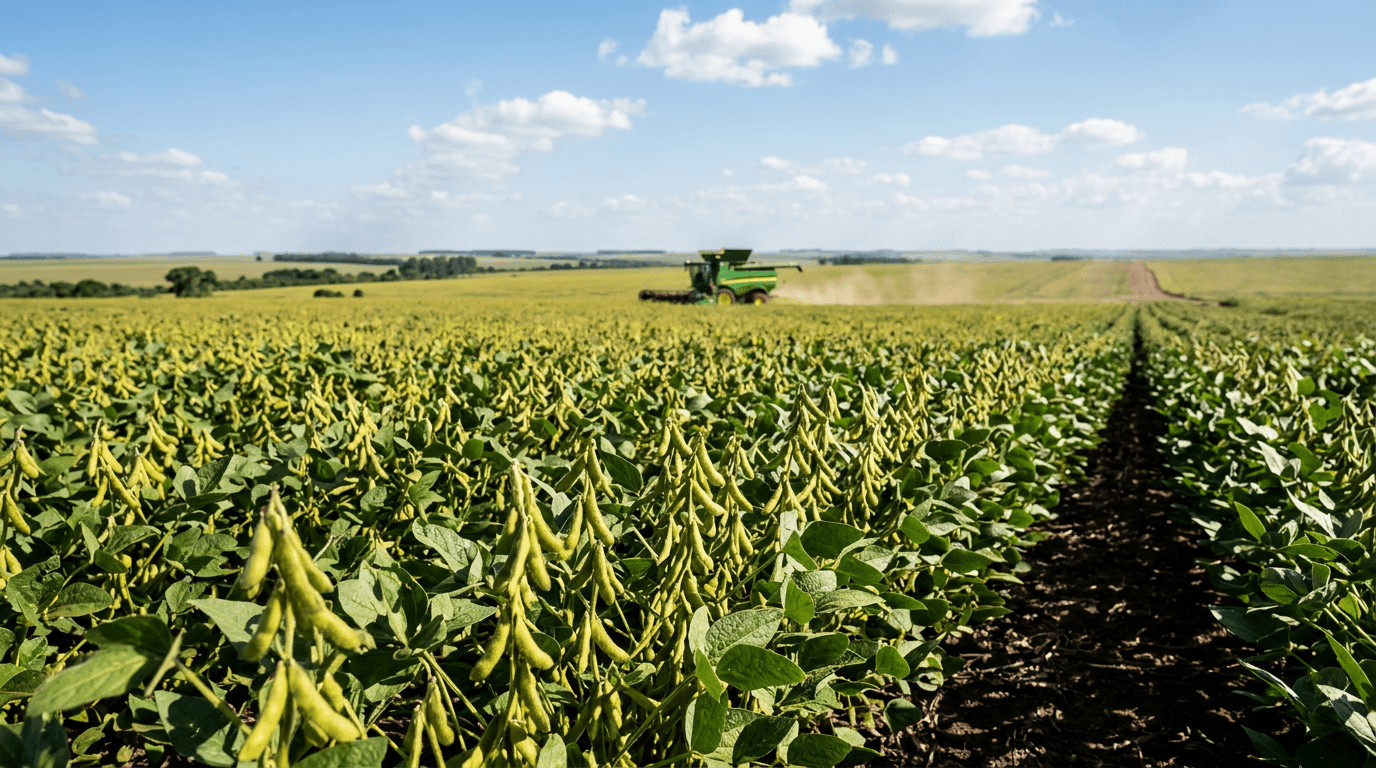
American retail consumers tracking the cost of grocery store staples, livestock feed, and renewable diesel are facing a dramatic shift in South American agriculture. For years, a steady flood of cheap Brazilian crops has kept global grain prices low, helping to temper inflation in US food and fuel supply chains. Now, that era of rapid, cheap expansion is grinding to a halt, leaving global agricultural supply chains highly vulnerable to sudden weather shocks.
In its first official crop survey for the 2026/27 season, released on October 15, 2026, Brazil’s national supply agency, Conab, projected that the country’s soybean planting area will expand by just 1.4% to 49.3 million hectares. This represents the slowest rate of acreage expansion in 20 years, dating back to the 2006/07 season. For context, Brazil's soybean acreage expanded by 5% to 7% annually between 2020 and 2023, serving as the primary engine for global grain supply growth.
The sudden slowdown is driven by a painful squeeze on farmers' finances. Years of high global supply have depressed grain prices, while the costs of fertilizer, diesel, and machinery remain stubbornly high. According to Conab, these narrowing profit margins and the reduced financial attractiveness of converting new land have severely limited new investments. While larger, corporate-backed farming conglomerates are continuing to acquire land from distressed producers, individual family farms are actively pulling back.
Despite the sluggish acreage growth, Conab still projects a record Brazilian soybean harvest of 181.6 million metric tons, a tiny 0.7% increase from the previous season. However, because this record relies almost entirely on land area rather than higher productivity—with average yields actually projected to slip by 0.8% to 3,683 kilograms per hectare—there is virtually no margin for error.
This leaves the global market highly exposed to weather risks. Meteorologists warn that a developing El Niño pattern poses a severe threat to the northern and northeastern regions of Brazil, such as Tocantins and Maranhão, where the bulk of this year's marginal acreage expansion is concentrated. Should drought strike these fragile new fields, global soybean supplies could quickly fall into a deficit, driving up prices for US soy-heavy food brands and biodiesel producers alike.
In your brokerage app
For retail investors tracking commodity markets, this structural slowdown in Brazil's agricultural expansion directly impacts the underlying supply dynamics of the global grain trade. The Teucrium Soybean Fund, an exchange-traded fund listed in New York, tracks soybean futures contracts which are highly sensitive to South American production margins. Additionally, the iShares MSCI Brazil ETF, which holds large-cap Brazilian equities, includes major corporate agribusinesses and logistics operators whose export volumes and profit margins are tied to the pace of national harvest growth.