
US-China Trade Talks Threaten Brazil’s Dominance in Global Soybean Market
A high-stakes meeting between US President Donald Trump and Chinese President Xi Jinping today could finalize a deal for China to buy 25 million tonnes of US soy annually, directly undercutting Brazil's position as the world's largest supplier.
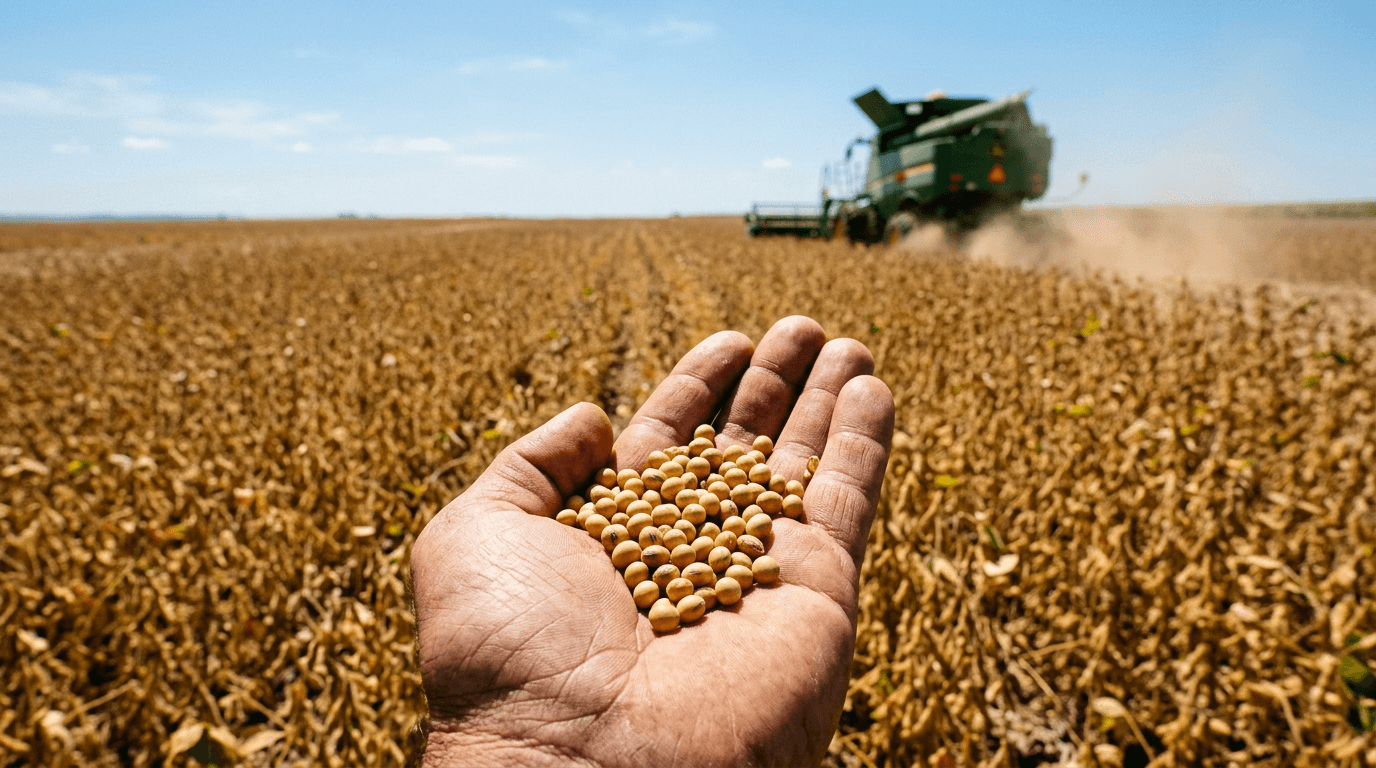
A potential US-China trade deal focused on agriculture purchases is posing an immediate threat to Brazil’s soy exports, forcing Brazilian producers to face the erosion of their hard-won dominance in the global soybean market. US President Donald Trump and Chinese President Xi Jinping are meeting today (September 24, 2026), with tariffs and significant agricultural purchases topping the agenda, a move that directly reverses the trade dynamic that had secured Brazil's position.
The core threat is a commitment from Beijing to increase its annual imports of US soy to a substantial 25 million tonnes, according to sources close to the negotiations. This is a dramatic increase from recent years, during which US shipments to China often fell to around 10 million tonnes or less due to retaliatory tariffs. For context, Brazil—which became China’s undisputed top supplier during the trade war—exported 87 million tonnes of soybeans to China in 2025.
Soy purchases are being used by China as a key diplomatic bargaining chip to secure concessions on US tariffs. By diverting a massive volume of demand back to the US, China introduces intense competition into the global supply chain. This potential 15 million tonne shift in the world’s largest grain market will increase pressure on international benchmark soy prices, which closed yesterday at 1316.5 cents per bushel. The effects will be immediately felt by large-scale Brazilian producers across the agricultural powerhouse states of Mato Grosso and Paraná.
Brazilian growers, who had invested heavily in logistics and production capacity to meet sustained Chinese demand, now face the reality of a highly competitive marketplace where political deals can abruptly redirect supply chains. The outcome of the Trump-Xi meeting will determine how quickly this massive volume of American soy re-enters the market, forcing Brazilian commodity traders to adjust their expectations for the upcoming crop cycle.
What it touches
The prospect of increased US supply weighed on agricultural futures, with the Soybean (¢/bu) price showing a slight decline of 0.08% to 1316.5. A weaker Real, trading at R$5.1789 to the dollar (up 0.56%), helps offset some of the potential price pressure for Brazilian exporters paid in USD, but the significant volume shift creates a major headwind for Brazil’s agricultural sector.