Soybean Price Volatility Looms as El Niño Puts $5.7 Billion at Risk
A Serasa Experian study warns a strong El Niño could slash Brazil's soybean harvest by 9.7%, risking a $5.7 billion hit to production value.
American livestock producers, food manufacturers, and grain traders are facing a volatile outlook for feed costs as a major climate threat looms over South America. While domestic grain supplies currently appear stable, any major disruption in the southern hemisphere quickly ripples through Chicago futures markets, directly raising the cost of soybean meal used to feed US cattle, hogs, and poultry.
A comprehensive study released on October 27, 2026, by Serasa Experian—the Brazilian credit research giant owned by Dublin-based Experian—warns that a strong El Niño weather pattern could slash Brazil's 2026/27 soybean harvest by 9.7%. This yield drop would wipe out approximately 17.6 million metric tons of supply compared to a climatologically neutral year, reducing total output from a projected 181.2 million tons down to 163.6 million tons.
Serasa Experian estimates the potential economic impact of this weather-driven shortfall at R$ 33 billion ($5.7 billion USD) in Gross Production Value. The risk is highly concentrated, with the agricultural powerhouse states of Mato Grosso and Goiás carrying nearly 80% of the calculated financial exposure. In Mato Grosso alone, a strong El Niño could drag production down by 9.7 million tons compared to a neutral climate scenario.
Shifting Climate Risks in the Fields
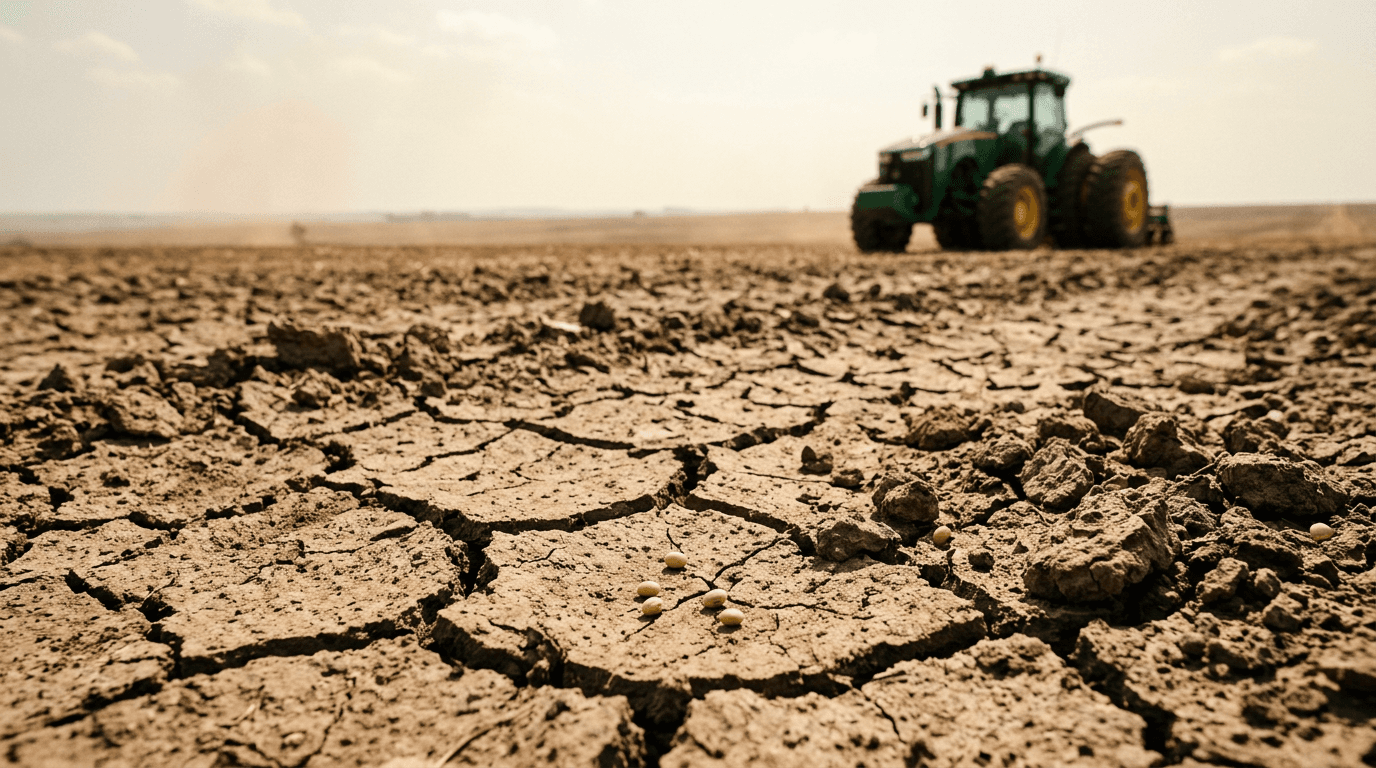
The threat comes just as Brazilian farmers are recovering from a difficult start to the season. In Mato Grosso, the agricultural powerhouse state that produces the bulk of Brazil's commercial grains, severe early-season drought initially stalled machinery. However, localized rains in October allowed fieldwork to rapidly accelerate. According to the Mato Grosso Institute of Agricultural Economics (Imea), the state's soybean planting progress reached 75.81% completion as of October 23, 2026, recovering from a sluggish 10.23% start earlier in the month.
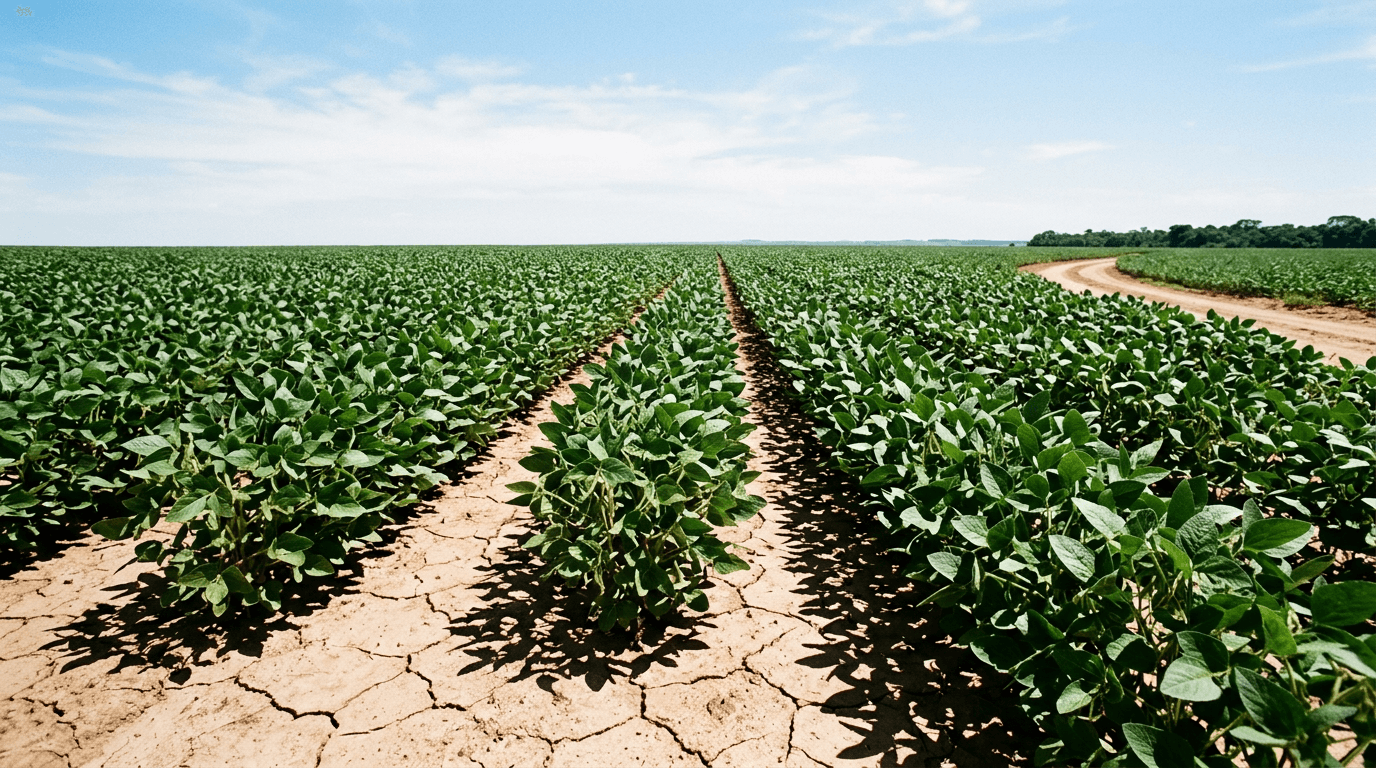
Despite the planting recovery, the risk is far from over. Daniel de Oliveira, the lead agricultural geoprocess manager at Serasa Experian, noted during an October 27, 2026, press conference that the climate risk is now shifting from the initial planting phase to the critical crop development and flowering stages.
For global agricultural markets, the stakes are incredibly high. Brazil is the world's largest exporter of soybeans. While local agencies like AgRural and the government's National Supply Company (Conab) are still projecting record national harvests of over 181 million tons, those baseline figures assume normal weather. If the severe El Niño modeled by Serasa Experian materializes, the sudden supply contraction will force global buyers to scramble, heavily impacting margins for US agribusinesses.