
Positive EU Audit Clears Brazilian Poultry and Honey for Export, Pending October Vote
The European Commission's audit found Brazil's new control system for antimicrobials in poultry and honey meets EU standards, paving the way for a vote on restoring exports suspended since September 3.
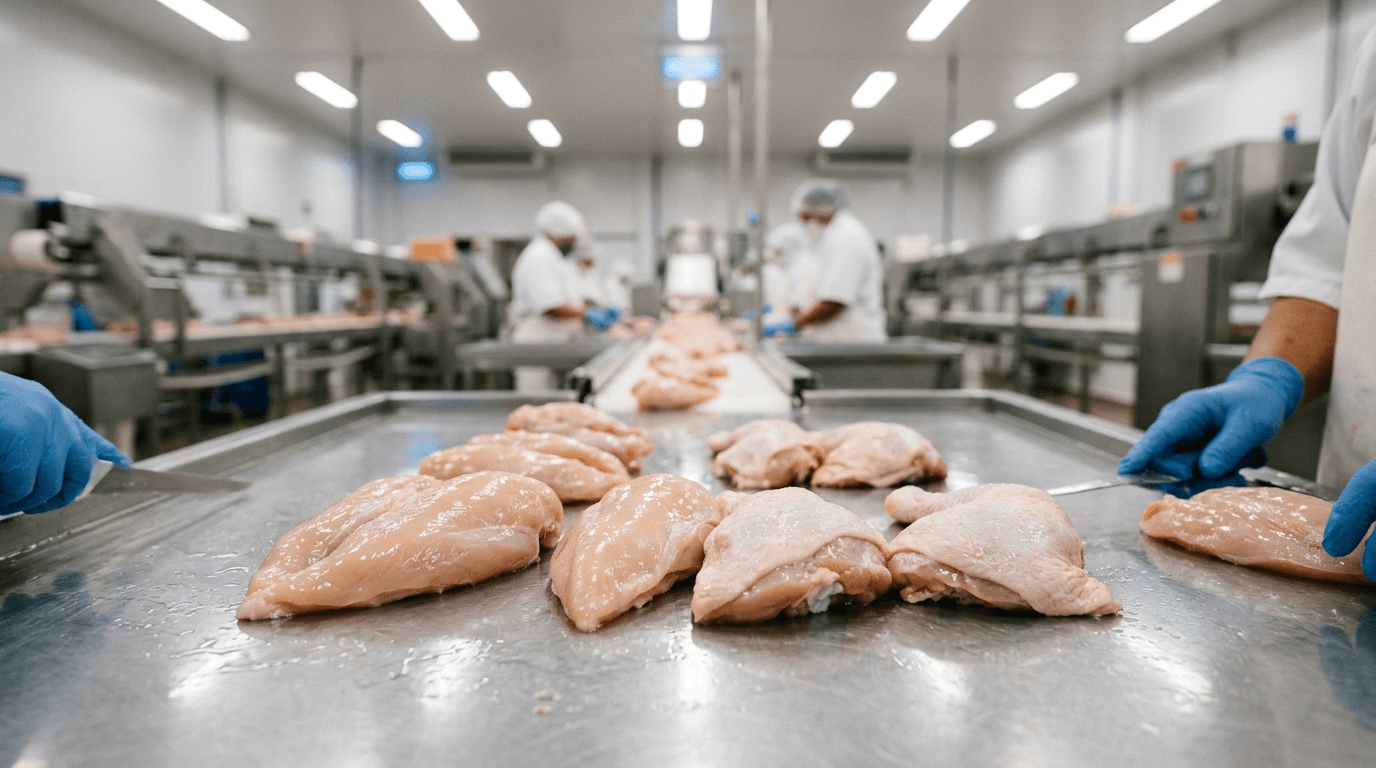
The European Commission's technical body has concluded that Brazil's control systems for poultry meat and honey comply with European Union requirements on the use of antimicrobials, a pivotal finding that could restore trade access for the country's massive poultry industry. The Directorate-General for Health and Food Safety (DG SANTE) audit, published on Monday, found that Brazil's procedures now provide a "solid foundation" for certifying that exports meet the bloc's standards, which prohibit the use of antimicrobials as growth promoters in food-producing animals. The positive report is a crucial step toward lifting a temporary export suspension that has been in place since September 3, and now pushes the final decision to a vote by EU member states scheduled for the technical committee meeting on October 20-21.
Brazil, historically the single largest outside supplier of poultry to the European Union, was removed from the EU’s list of authorized third countries in early September after failing to provide sufficient regulatory guarantees that its controls were equivalent to the bloc's new rules. The suspension—which also affected beef, eggs, and casings—was a regulatory block, not a food safety scare related to contamination. To regain access, Brazilian authorities implemented a rigorous system, including "strict, auditable physical and logistical segregation lines" for flocks destined for the EU market, ensuring those birds received no prohibited substances throughout their lifespan. This system, which relies on farm-level verification and digital tracking of veterinary prescriptions, was found to be satisfactory by the European auditors.
The European Union's requirement for robust traceability and control is a key element of its strategy to combat antimicrobial resistance globally. The initial suspension meant that consignments certified after September 3 could not enter the European market, disrupting a significant trade flow. While the technical barrier for Brazilian poultry and honey has now been removed by the favorable EU audit, the resumption of commercial shipments hinges entirely on a political decision.
The next decisive event will be the vote by the Standing Committee on Plants, Animals, Food and Feed (SCoPAFF), which is composed of veterinary and regulatory experts from the 27 EU member states. Although the positive technical assessment significantly improves Brazil's chances of reinstatement, the committee must formally approve re-listing the country to the Annex XVIa authorized list before trade can restart. The audit’s positive scope was limited to poultry and honey, suggesting that exports of beef—which require a longer period of lifecycle verification—will likely remain suspended pending further review.
What it touches The outcome of the October 20-21 SCoPAFF vote will directly affect major Brazil exporters of chicken, a segment of the trade that was worth over 233,000 tonnes in 2025. A resumption of exports would signal a return to normal for a key agricultural product and would relieve the immediate pressure on producers who had to reroute supply to other global markets.
Latest articles
Tech · PRO
Brazil's Tax System Failure Hits Small Businesses Days Before Critical Tax Reform Deadline
Published
Markets
Large Speculators Take Extreme Net-Long Bet on Soybeans, Highlighting Supply Risk for Brazil
Published
Politics
Lula Rejects 'Colonial Logic' at UN, Demands Value-Added Processing for Brazil's Critical Minerals
Published