
Lula Secures Extra China Beef Quota for Brazil via Uruguay, Bypassing 55% Tariff
President Luiz Inácio Lula da Silva announced that Uruguay ceded a portion of its unused beef export quota to China, offering a temporary lifeline to Brazilian meatpackers facing a steep 55% safeguard tariff.
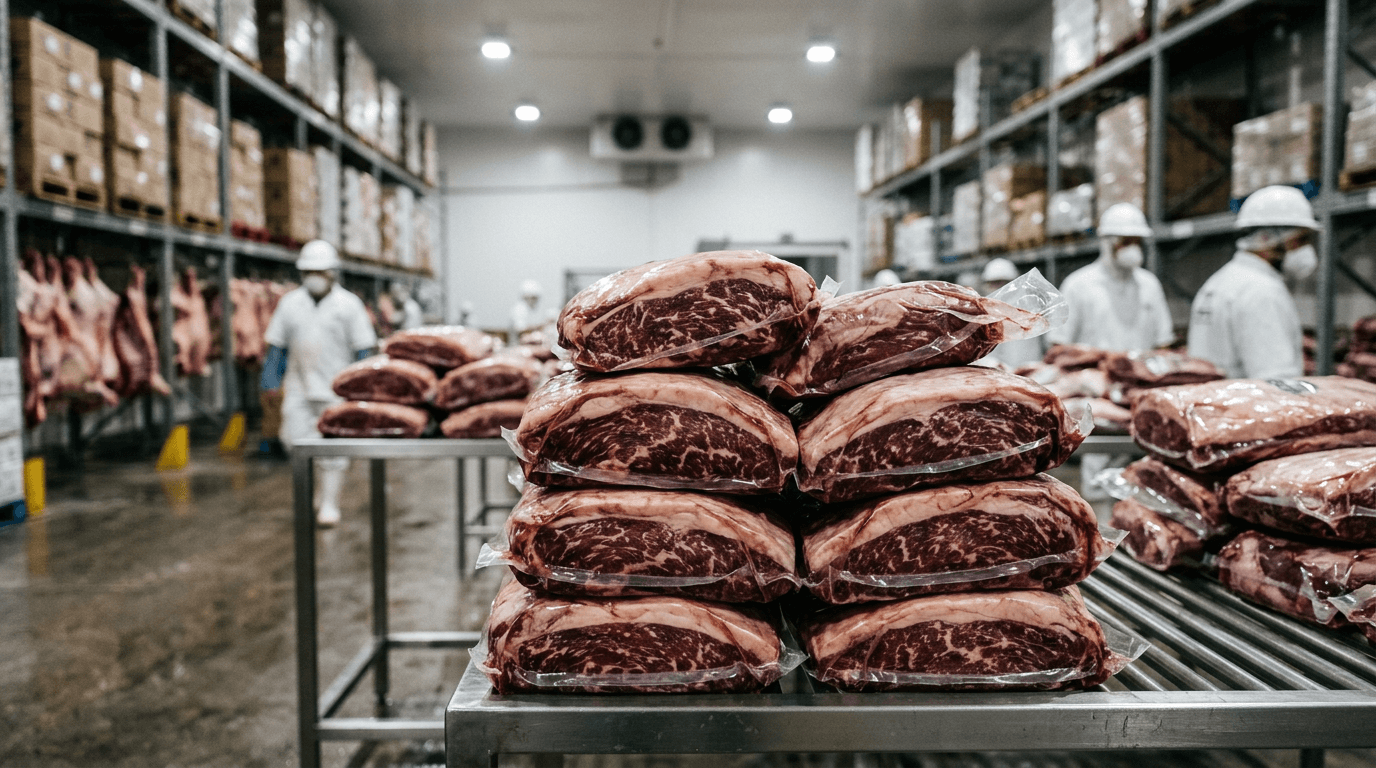
Brazil has secured an unexpected relief valve for its critical beef trade with China, the world’s largest market, after President Luiz Inácio Lula da Silva announced that Uruguay ceded a portion of its unused export quota. The deal allows Brazilian meat shipments to avoid a punitive 55% over-quota safeguard tariff, which had caused exports to collapse following the exhaustion of Brazil’s annual limit.
The agreement was announced by Lula on Monday following a meeting with Uruguayan President Yamandu Orsi in New York. It is a direct response to a drastic drop in trade: Brazilian beef exports to China plunged 88.2% in volume year-on-year in August after the country’s annual quota was fully utilized. That collapse, which saw shipments fall to just 18,900 metric tons, had been expected by the industry but severely restricted flow to the country’s most important market.
The trade difficulty stems from a Chinese safeguard mechanism introduced in early 2026, which set a country-specific quota for major suppliers, including Brazil, and imposed the steep 55% additional tariff on any volume exceeding that cap. Brazil’s allocation was set at 1.106 million metric tons for the year. Brazilian exporters, anticipating a price shock from the out-of-quota tariff, aggressively front-loaded shipments in the first half of the year, effectively filling the quota by July and bringing the supply flow to an abrupt halt by August.
Uruguay, by contrast, had considerable "quota headroom" under the same Chinese mechanism. While Brazil, the world's largest beef exporter, shipped volumes far in excess of the new limit in previous years, smaller exporters like Uruguay had not fully utilized their annual quota allocation. By authorizing Brazil to use its surplus, Uruguay is effectively lending immediate and vital access to the Chinese market that Brazil’s own producers had lost for the remainder of the year. The mechanism helps Beijing protect its domestic cattle industry by limiting aggregate imports while allowing trade to continue under a reduced tariff.
While the size of the ceded quota volume was not immediately specified, the move is a short-term political and economic win for Brazil, which now has a path to stabilize its beef trade with China through the end of the calendar year. Brazilian meatpackers can now re-establish a commercial rhythm to the Asian market that represents over 40% of their total exports.
What it touches
The unexpected access to tariff-free quota offers an immediate benefit to Brazil’s largest beef exporters, including JBS, Minerva, and Marfrig, who were forced to reroute or slow shipments after the 55% tariff went into effect. The new arrangement mitigates the financial loss and disruption caused by the early exhaustion of the national quota.