
JBS and Viva Create Global Leather Giant JBS Viva with 20 Million Hides Capacity
Brazil's JBS Couros and Viva Holding have formed a 50/50 joint venture, JBS Viva, to create the world's largest leather processing company to boost global competitiveness.
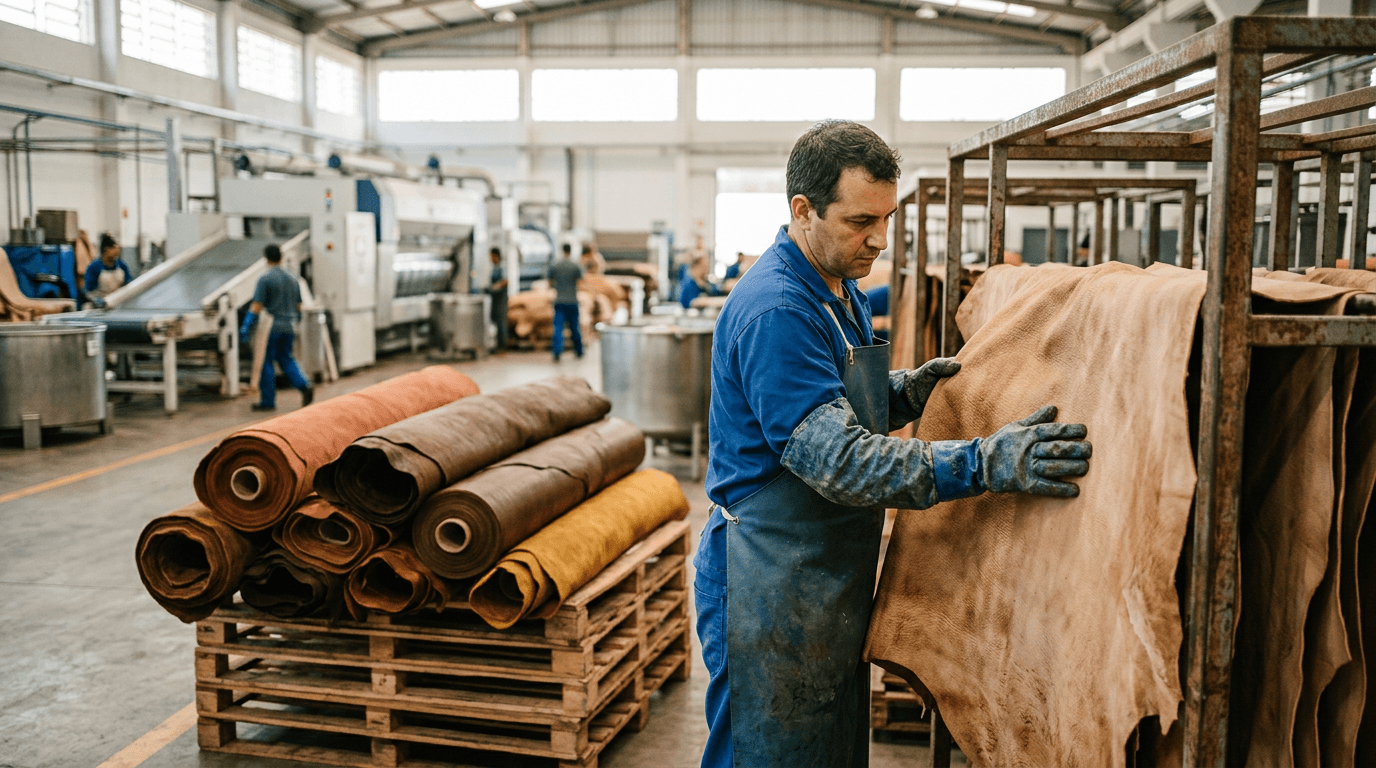
The global leather supply chain is set for a fundamental restructuring following the definitive agreement between JBS Couros, a subsidiary of the Brazilian meatpacker JBS S.A., and Viva Holding to form a 50/50 joint venture named JBS Viva. The new entity is set to become one of the largest leather processors in the world, with a reported capacity to process more than 20 million hides per year.
The creation of JBS Viva immediately establishes a major international player, combining the scale and global reach of JBS with the specialized operations of Viva. The new company will operate a network of 31 factories and employ over 11,000 people across six key countries in the global tanning industry: Brazil, Italy, Uruguay, Argentina, Mexico, and Vietnam. The move is a strategic consolidation intended to increase global competitiveness for natural leather in a sector facing sustained pressure from synthetic alternatives.
The governance structure of JBS Viva reflects the 50/50 ownership split. The Board of Directors will have equal representation from both partners, though the leadership roles are divided: JBS will appoint the Chairman and Chief Financial Officer, while Viva Holding will appoint the Chief Executive Officer and Chief Operating Officer. Viva Holding is itself a recent merger of two established Brazilian tanneries, Vanz Holding and Viposa Participações, bringing significant operational expertise to the venture.
A key element of the joint venture is a set of reciprocal supply agreements. JBS, as the world's largest meat producer and a source of raw bovine hides—a co-product of the beef industry—will supply JBS Viva with raw hides from its Brazilian slaughterhouses. In turn, JBS Viva will sell the trimmings and shavings generated from leather processing back to JBS S.A. to support its profitable gelatin and collagen-related businesses, ensuring material security for both sides of the operation.
The transaction remains subject to customary closing conditions, including the negotiation of definitive documents and, crucially, approval from regulatory authorities. In Brazil, this means the deal must be approved by the Administrative Council for Economic Defense (CADE), the country’s antitrust body, which will assess the concentration of market share in both the domestic and international leather and hide markets.
What it touches
The formation of JBS Viva has direct implications for the global leather and bovine protein supply chains. The meatpacking and leather segment is a key, non-core business for JBS S.A., whose assets trade on the B3 stock exchange in São Paulo (JBSS3) and as American Depositary Receipts on the NYSE. The deal aims to enhance the value capture from the hides co-product, a factor relevant to the overall profitability of the broader beef sector.