Global Biofuels Race Gets $25 Billion Boost in New 10-Year Roadmap
Brazil's Ministry of Mines and Energy has released its 10-year energy expansion plan projecting $25 billion in biofuel investments by 2036.
Global airlines and logistics conglomerates searching for massive, scalable volumes of sustainable aviation fuel (SAF) to meet strict international decarbonization mandates now have a concrete, multi-billion-dollar supply pipeline. The race to secure non-fossil transportation fuels is shifting from speculative venture capital to state-backed infrastructure planning, as major agricultural economies formalize long-term production targets.
On October 29, 2026, Brazil's Ministry of Mines and Energy (MME) and the federal Energy Research Office (EPE) published the Decennial Energy Expansion Plan 2036 (PDE 2036). The comprehensive policy blueprint projects R$ 142 billion (approximately $25 billion USD) in total biofuels investments between 2027 and 2036. Under the plan, Brazil's annual ethanol supply is projected to grow by 2.5% annually, rising from 41.6 billion liters to 53.1 billion liters by 2036.
Meeting the Global SAF Demand
A critical pillar of the new roadmap is the rapid scaling of advanced fuels for sectors that cannot easily electrify. The MME and EPE project that by 2036, Brazil will require 3 billion liters of ethanol specifically to feed the production of SAF, maritime transport, and agricultural aviation. This domestic push aligns with the country's broader "Fuel of the Future" legal framework, which mandates gradual emission reduction targets for domestic airlines starting in 2027.
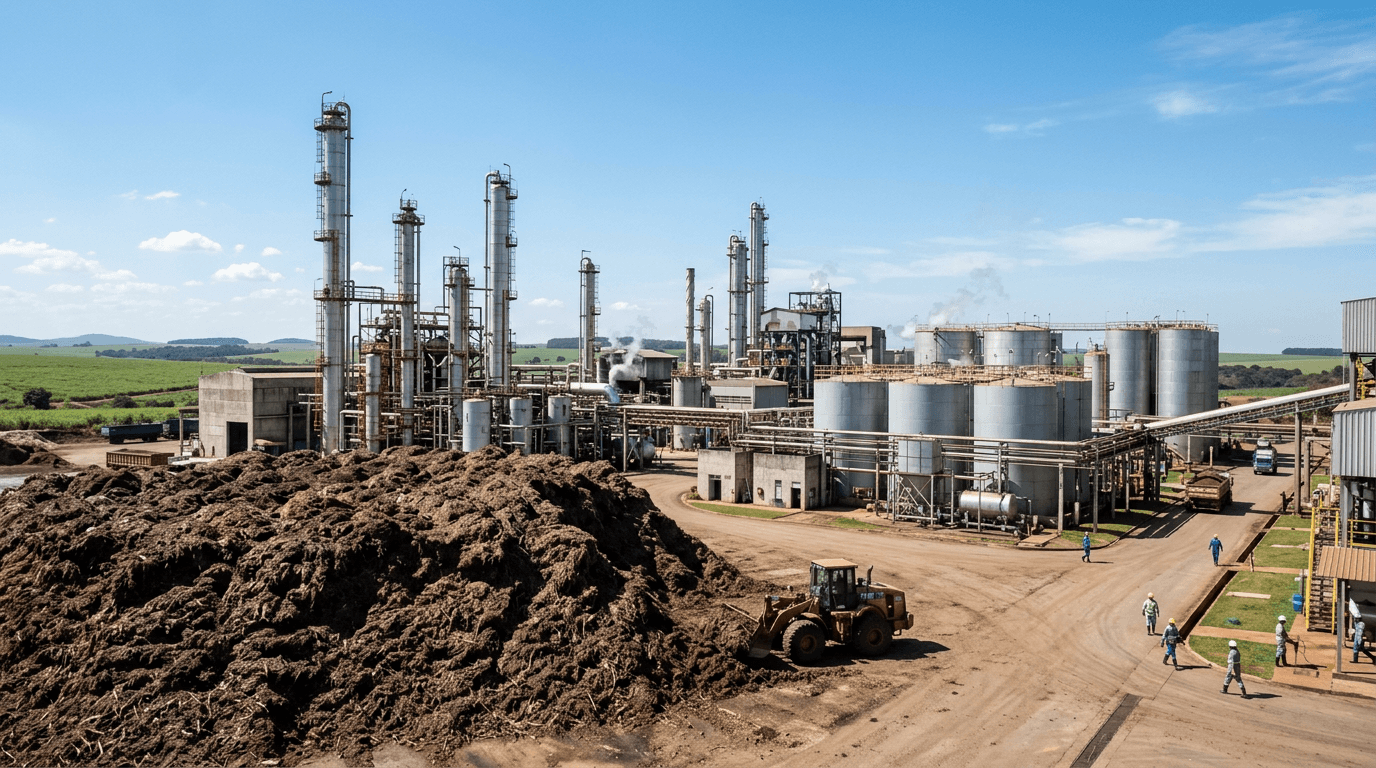
Beyond aviation, the decennial roadmap outlines a substantial expansion of the country's biodiesel sector. Total biodiesel demand is projected to reach 14.7 billion liters by 2036, supported by a mandatory 15% biodiesel blend in commercial diesel. The plan also forecasts that second-generation ethanol (E2G), which is manufactured from agricultural waste like sugarcane bagasse, will scale to reach 600 million liters of annual production by the end of the ten-year horizon.
Navigating the Political Risk
For international observers, the primary concern surrounding Brazil's ambitious infrastructure targets is political and regulatory continuity. The PDE 2036 is an indicative planning document designed to guide public policy and private capital deployment, rather than a direct state-funded mandate. The execution of this R$ 142 billion expansion relies heavily on private sector confidence, which is closely tied to the country's regulatory stability and the upcoming 2026 presidential election cycle.
Changes in administration can lead to shifts in fuel pricing policies, tax incentives, or carbon credit mechanisms (such as the RenovaBio program). However, the biofuels sector enjoys broad, bipartisan support in the Brazilian Congress due to its deep integration with the country's powerful agribusiness lobby. This political alignment historically insulates green energy policies from sudden regulatory reversals, offering a more predictable environment than other highly politicized sectors.