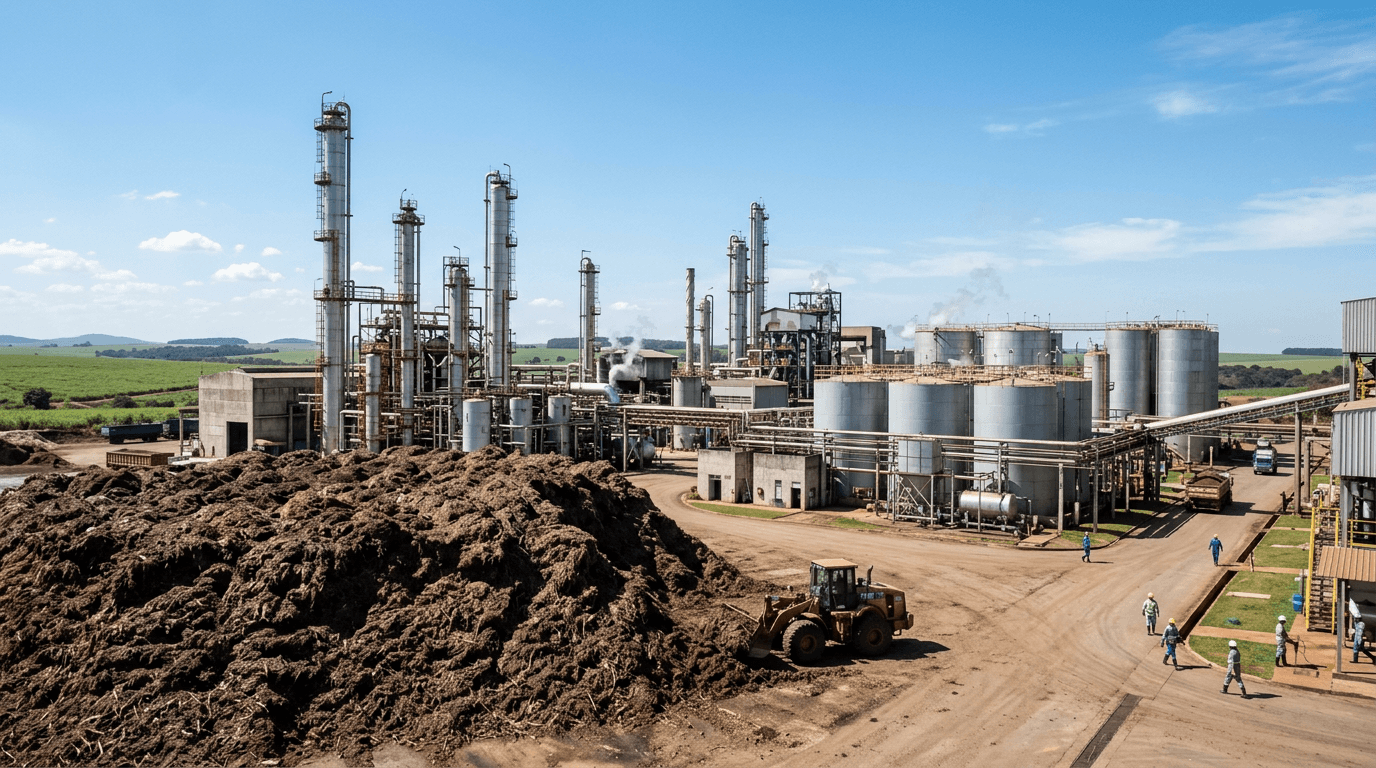
Bunge Shuts Down South American Ammonia Plant in Fertilizer Shift
Bunge Argentina has closed its Campana fertilizer plant, citing high raw material costs and an inability to compete with cheaper imported agricultural inputs.
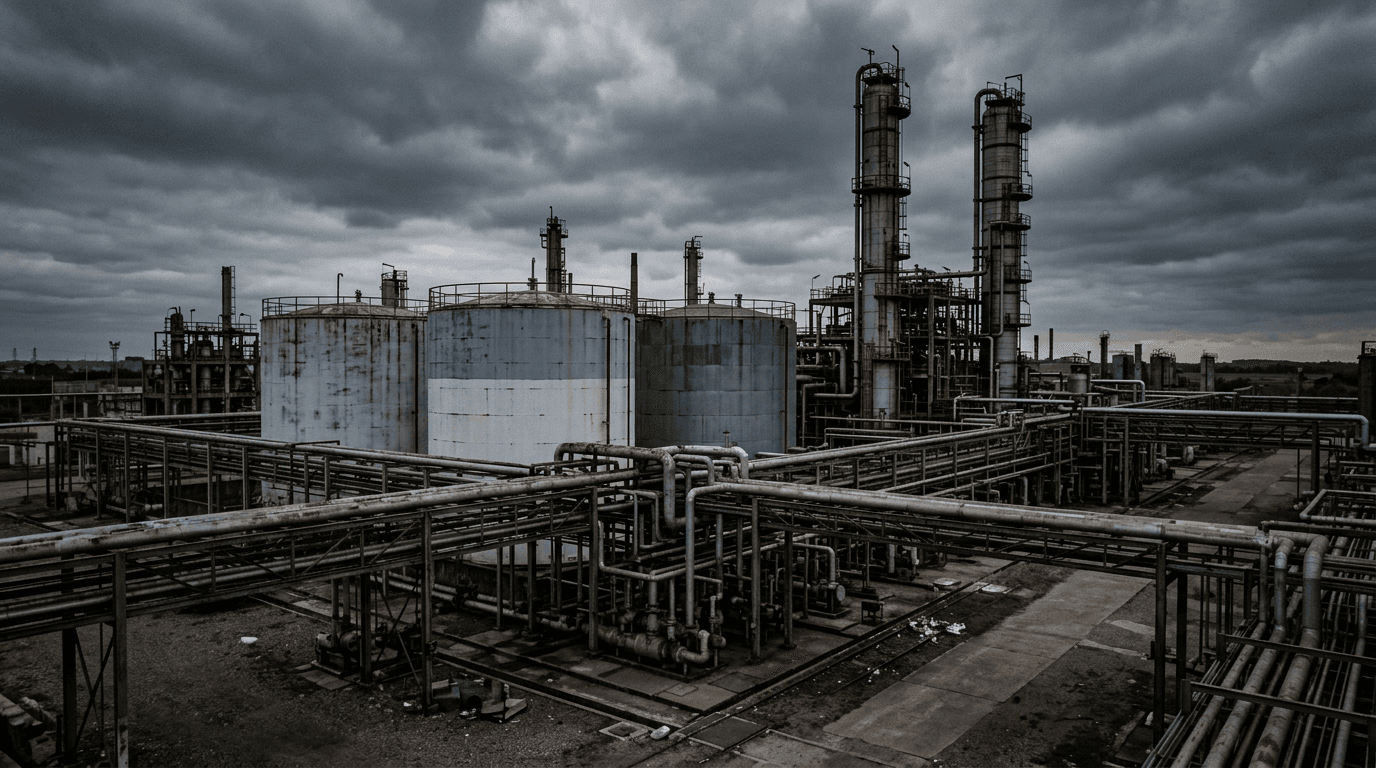
Global crop nutrition supply chains are experiencing a structural shift as one of the world's largest agribusiness giants pulls the plug on a critical regional production node. On October 27, 2026, Bunge Argentina announced the immediate closure of its Campana industrial plant in the Buenos Aires province. The facility, which had been operating for over 50 years, served as a foundational supplier of chemical inputs used to manufacture agricultural fertilizers across the Southern Cone.
The sudden shuttering of the Campana facility halts a significant portion of regional chemical synthesis. The plant possessed a nameplate production capacity of 135,000 metric tons per year of ammonia and 140,000 metric tons per year of ammonium thiosulfate. Ammonia is the foundational building block for nitrogen-based fertilizers, while ammonium thiosulfate is widely used in liquid fertilizers to deliver essential sulfur and nitrogen to high-yield crops.
Bunge cited aging technology, infrastructure limitations, and shifting market conditions as the primary drivers behind the shutdown. However, local industrial dynamics also played a decisive role. According to reports from Argentine media on October 28, 2026, the company pointed to the high cost of raw materials, such as sulfur, alongside an inability to compete with cheaper imported fertilizers.
The Political and Economic Backdrop
The closure highlights the stark realities of the current Argentine economic experiment. Under President Javier Milei, who assumed office in December 2023, Argentina has aggressively pursued import liberalization, tariff adjustments, and deregulation. While these policies aim to curb chronic inflation and attract long-term foreign investment, they have exposed older domestic industrial facilities to intense global competition.
Local labor unions, including the Chemical and Petrochemical Workers Union of Zárate-Campana, reported that the closure resulted in the immediate layoff of 110 direct employees. The union noted that when accounting for third-party contractors in security, maintenance, and logistics, the regional employment impact extends to approximately 250 workers. Bunge, which has operated in Argentina for over 140 years, emphasized that it is not leaving the country. The company will maintain its extensive grain storage, oilseed crushing, and agricultural export operations, which recently led the country's export rankings with 11.6 million tons declared in the first half of 2026.
Regional Crop Nutrition Outlook
For South American farmers, the closure means a deeper reliance on imported finished fertilizers rather than regionally synthesized inputs. This transition occurs at a critical juncture for regional crop nutrition, as agricultural operators balance input costs against global commodity prices. In the near term, the 17.5% share of the plant's production previously held by the Association of Argentine Cooperatives (ACA) will need to be replaced by international shipments, altering trade flows for nitrogen and sulfur inputs across South America's agricultural heartland.
Corporate Structure
Bunge Global SA is one of the dominant global agricultural commodity traders. The parent company, Bunge Global SA, trades on the New York Stock Exchange under the ticker BG.