Brazil chicken exports face new bans as fourth Newcastle case hits
Brazil's Ministry of Agriculture confirmed a fourth case of Newcastle disease in Santa Catarina, threatening to prolong export bans from China and Mexico.
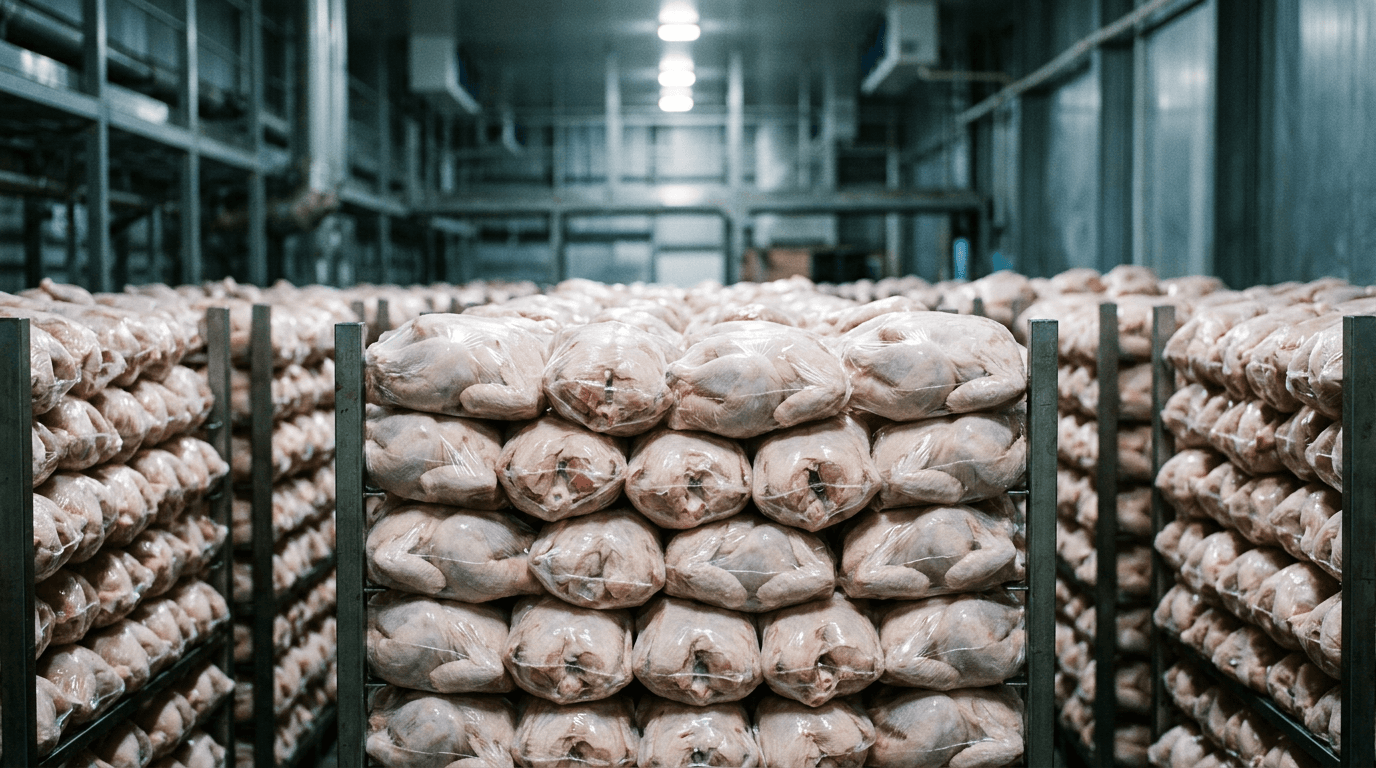
Global food prices and supermarket supply chains are facing renewed pressure as the world’s largest poultry exporter battles to contain a highly contagious animal virus. For global consumers and agricultural investors, localized disease outbreaks can rapidly translate into reshuffled trade routes, shifting wholesale meat costs, and volatile corporate earnings.
On November 3, 2026, Brazil's Ministry of Agriculture and Livestock (Mapa) confirmed a fourth case of Newcastle disease in Nova Erechim, a municipality in the southern state of Santa Catarina. The highly contagious viral disease, which affects domestic and wild birds, was detected within an active 60-day sanitary emergency zone established by federal authorities on October 19, 2026. This latest case, identified at a commercial turkey farm, follows earlier detections in the nearby towns of Nova Itaberaba and Coronel Freitas.
The localized outbreak carries massive weight for global trade because of Santa Catarina’s dominant role in the international meat market. The state accounted for 21.1% of Brazil's chicken exports and 22% of its shipments to China during the first nine months of 2026. While Mapa has emphasized that poultry products under official sanitary inspection remain entirely safe for human consumption, international trade protocols dictate immediate, strict restrictions to prevent the virus from crossing borders.
The commercial fallout has been highly uneven. Following the initial outbreak in October, Mexico suspended all poultry imports from Brazil. While Mexican authorities later agreed to limit their import ban strictly to Santa Catarina—saving an estimated $954 million in potential national trade losses—other major buyers have not been as flexible. China, Chile, and Saudi Arabia continue to enforce strict regional bans on poultry originating from Santa Catarina. The confirmation of a fourth case within the emergency zone threatens to prolong these restrictions, keeping a major production hub locked out of key global markets.
Brazilian veterinary teams are currently monitoring approximately 133 poultry properties within the restricted area. Under official protocols, infected flocks are culled, and the affected farms are placed under a strict sanitary vacancy period to eradicate the virus. How quickly Brazil can convince international inspectors that the outbreak is fully contained will determine when these lucrative export channels can reopen.
In your brokerage app
The prolonged export bans in Santa Catarina directly impact major Brazilian meatpackers that ship to global markets. Investors can monitor these developments through JBS (listed in New York as JBSAY) and BRF (listed in New York as BRFS), both of which operate extensive poultry processing networks in southern Brazil. Broad exposure to the global agribusiness sector is also available through the iShares MSCI Brazil ETF (EWZ), which holds major Brazilian exporters.