
Brazil Chicken Exporters Demand Diplomatic Neutrality in 2026 Election
Brazil's powerful agricultural lobby urges presidential candidates to maintain strict pragmatism, warning that ideological alignment must not threaten trade with China.
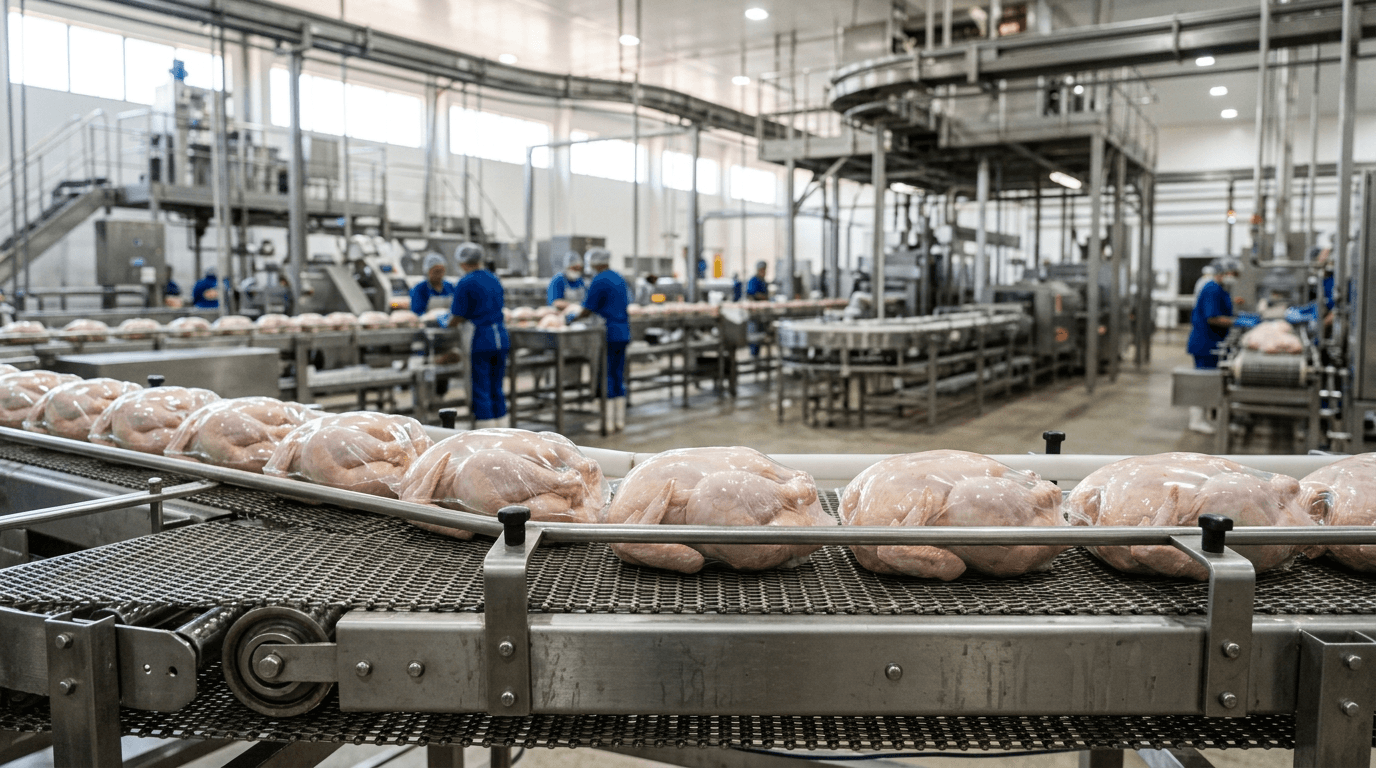
As Brazil’s presidential election cycle intensifies, the country’s powerful agricultural lobby is pushing back against ideological foreign policy to protect its most vital trade relationships. Following a first-round vote that saw conservative Senator Flávio Bolsonaro lead incumbent President Luiz Inácio Lula da Silva, agribusiness leaders and trade experts are urging candidates to maintain strict diplomatic pragmatism. The industry's message is clear: Brazil cannot afford to choose sides in the geopolitical struggle between Washington and Beijing.
The sector's sentiment was captured by Ricardo Santin, president of the Brazilian Animal Protein Association (ABPA), who repeated a phrase coined during previous political transitions: "Chicken has no political party or ideology". Speaking at an industry event hosted by the Insper business school in São Paulo on October 7, 2026, Santin emphasized that the agricultural sector works to guarantee food security for Brazil and 170 purchasing nations. Industry leaders warn that any shift toward an ideological foreign policy could disrupt a sector that represents roughly 35% of Brazil's gross domestic product.
The primary concern for Brazil chicken exporters and grain producers is protecting their relationship with China, the largest buyer of Brazilian agricultural exports. Beijing is not only a massive consumer of Brazilian soy and meat, but also a major investor in the strategic logistics infrastructure that allows these products to reach global markets. Larissa Wachholz, a China specialist and former advisor to the Ministry of Agriculture, noted that Beijing views Latin America with caution, seeking out stable legal environments where its trade and investments are welcome. She warned that an overt alignment with the United States under a Donald Trump administration could introduce unnecessary friction.
The United States presents a more complex dynamic for Brazilian agribusiness, serving as both a key competitor in global grain markets and a growing consumer of Brazilian beef. While some political factions in Brazil favor a close ideological alignment with Washington, the agricultural sector warns that such a move must not come at the expense of Beijing. This diplomatic balancing act is particularly critical as Brazilian farmers navigate rising domestic credit challenges and a highly competitive global market.
Ultimately, the agricultural lobby expects the next administration to prioritize commercial interests over political rhetoric, regardless of who wins the second-round runoff. Because Brazil plays an indispensable role in global food security, trade experts believe the country's economic reality will force any future president to preserve stable relations with both global superpowers.
What it touches
The demand for diplomatic neutrality directly affects Brazil's major publicly traded food processors, which are highly exposed to international trade dynamics. Companies like JBS (B3: JBSS3) and BRF (B3: BRFS3), two of the world's largest meat exporters, rely heavily on open access to both Chinese and North American consumer markets to sustain their global shipping volumes and revenue growth.