
Brazil and Angola Sign Agricultural Deal, Launching 20,000-Hectare Pilot Project in Africa
Brazil and Angola formally signed a Memorandum of Understanding to deepen agro-livestock cooperation, setting the stage for Brazilian private sector technology and investment in Angolan agriculture.
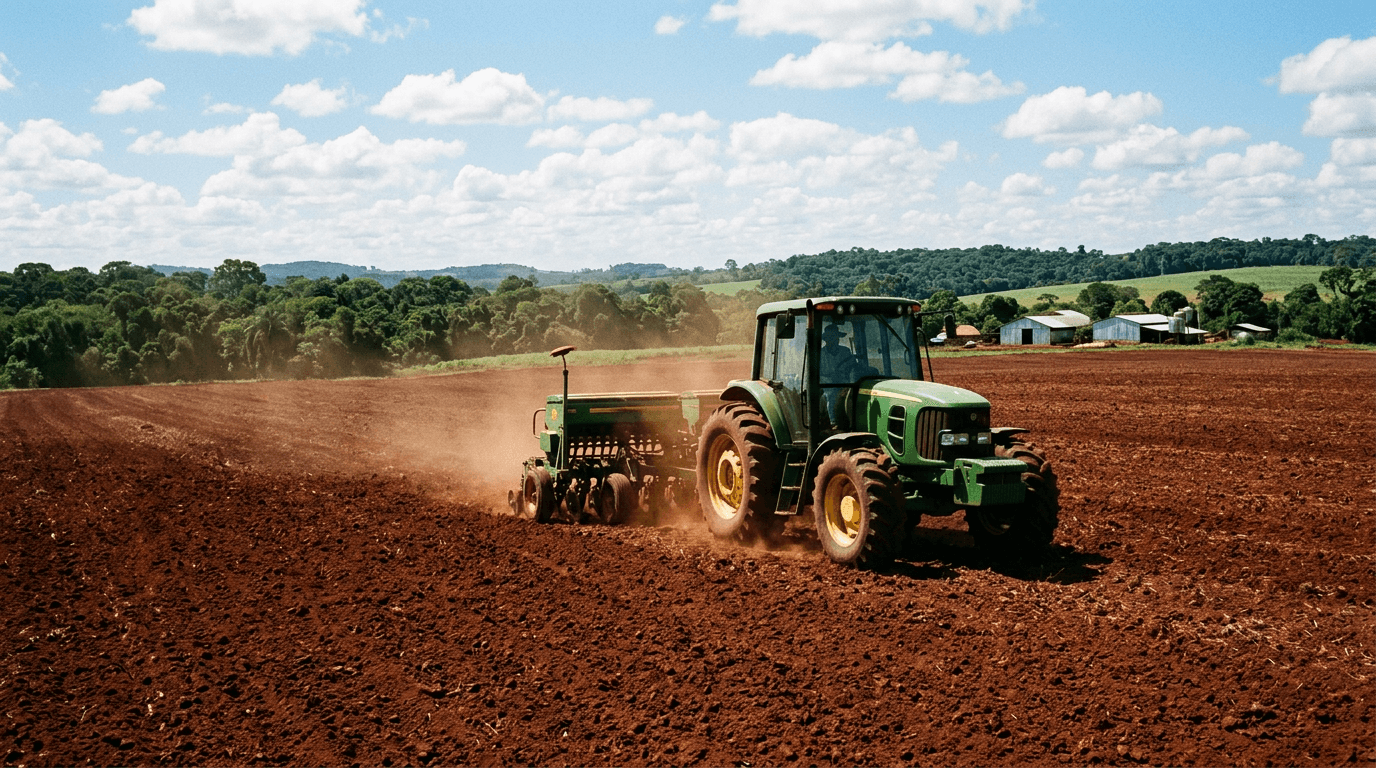
Brazil and Angola cemented a new chapter in South-South cooperation, signing a Memorandum of Understanding (MoU) on September 15, 2026, to intensify collaboration in the agro-livestock sector and facilitate Brazilian investment in the African nation. The agreement centers on launching a 20,000-hectare pilot project named 'Terra Lunda' in Angola’s Lunda Norte province, designed to establish grain production using Brazilian tropical agriculture expertise.
The project is a crucial test case for Angola, which holds over 30 million hectares of arable land but is working to diversify an economy historically dependent on oil exports. Luanda has signaled it is prepared to open up as much as 800,000 hectares of farmland for Brazilian-led development. The 'Terra Lunda' initiative focuses on transferring Brazilian know-how, including genetic improvement, bio-inputs, and specialized agricultural machinery and equipment, all adapted from the playbook that turned Brazil's cerrado into a global agricultural powerhouse.
To push the collaboration from concept to execution, the MoU aims to mobilize Brazilian and Angolan financial institutions, establishing guarantee mechanisms to de-risk private sector investments. Discussions have centered on a blended finance structure where Brazil’s national development bank, BNDES, and the export financing program BB Proex would provide the majority of the funding, alongside contributions from Angola’s Sovereign Wealth Fund and Angolan producers. However, the speed of its materialization has been a key sticking point, with Angolan officials previously warning that delays could force the country to turn to other partners, such as China, which is already pursuing large farming projects in the country.
For Brazil's agribusiness sector, the deal offers a significant foothold in the African market, providing a new destination for its technology exports and a chance to replicate its success in tropical agriculture abroad. For Angolan President João Lourenço, the partnership is essential to his government's push for food security and reducing a significant national food import bill. The next step will be the formal structuring of the financing and the physical deployment of teams and equipment into the Lunda Norte province, with a total cost for the initial 20,000-hectare project estimated at $83.2 million, phased in between 2027 and 2030.
What it touches
The agreement has a direct link to the Brazilian Agribusiness sector, particularly companies involved in agricultural machinery, seeds, fertilizers, and bio-inputs, as the deal is explicitly about exporting this specific Brazilian technology and know-how to Angola. Financial institutions like BNDES, which are expected to underwrite a substantial portion of the project's financing, are also materially exposed to the success or failure of the ventures.