
Rio Windstorm Exposes TIM Network Vulnerability, Raising Infrastructure CAPEX and Regulatory Risks
A windstorm with 100 km/h gusts hit Rio de Janeiro, triggering widespread network instability for TIM, which faces potential ANATEL scrutiny.
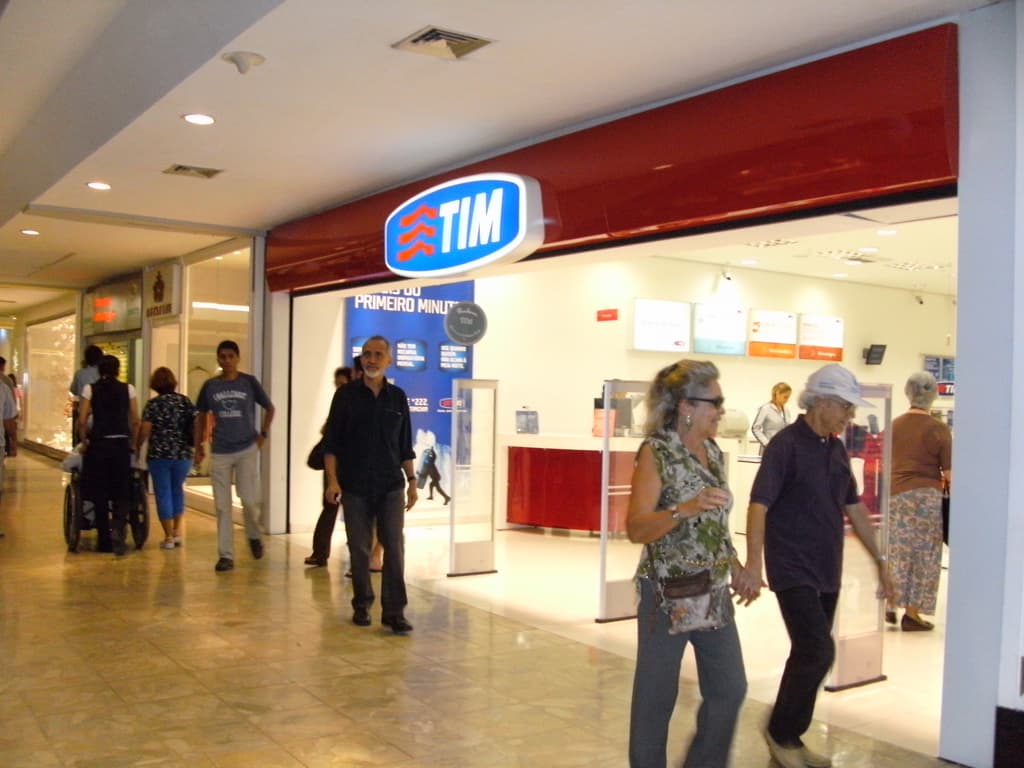
The July 29 windstorm that swept through Rio de Janeiro with gusts exceeding 100 km/h has spotlighted operational vulnerabilities in the network infrastructure of TIM S.A. (TIMS3), Brazil's largest listed telecommunications provider. The severe weather caused widespread power outages, which TIM confirmed led to instability across its 4G, 5G, and fixed internet services, disrupting connectivity for a major portion of the Brazilian market. While rival Claro also experienced outages, the volume of public service complaints was noticeably higher against TIM, which is now working to restore partial normalization of services across the state.
For investors, the operational failure suggests a critical vulnerability in the telco's ability to maintain service continuity in the face of increasingly severe weather events, translating directly into two distinct financial risks. First is the necessity of unbudgeted capital expenditure (CAPEX) for network hardening, specifically reinforcing backup power systems like diesel generators and battery banks across key sites to ensure resilience against prolonged commercial power loss. Second is the escalated regulatory risk from ANATEL, Brazil's telecom regulator. Sustained and widespread service degradation in a major metropolitan capital like Rio de Janeiro, especially when perceived as worse than competitors, often triggers service quality investigations that can result in significant regulatory fines.
TIM’s ordinary shares, trading as TIMS3 on the B3 stock exchange, closed the day of the storm at R$19.48, reflecting a broader market context where the stock has traded within a tight range this year. However, the current infrastructure failure presents a fresh downside risk that analysts must factor in beyond existing valuation metrics. The company’s ability to quickly quantify and address the infrastructure shortcomings will be key to mitigating investor concern following the incident, which impacts confidence in TIM's network reliability.
The next material data point for investors to watch will be any formal announcement from ANATEL concerning the service quality in Rio de Janeiro, as well as TIM's own cost assessment for repairing the damage and any subsequent guidance on revised CAPEX budgets for infrastructure resilience. An increase in spending aimed at reducing future storm-related outages would signal prudent management but will pressure near-term free cash flow, while a lack of immediate action could leave the company exposed to further regulatory risk and service disruption in the next major storm.