
Nvidia In Talks To Guarantee $250 Billion For OpenAI’s Massive 10 GW Ohio Data Center Lease
Chipmaker Nvidia is reportedly negotiating a guarantee of up to $250 billion for OpenAI's lease of a 10-gigawatt SoftBank data center, underscoring the escalating, credit-backed scale of the global AI infrastructure buildout.
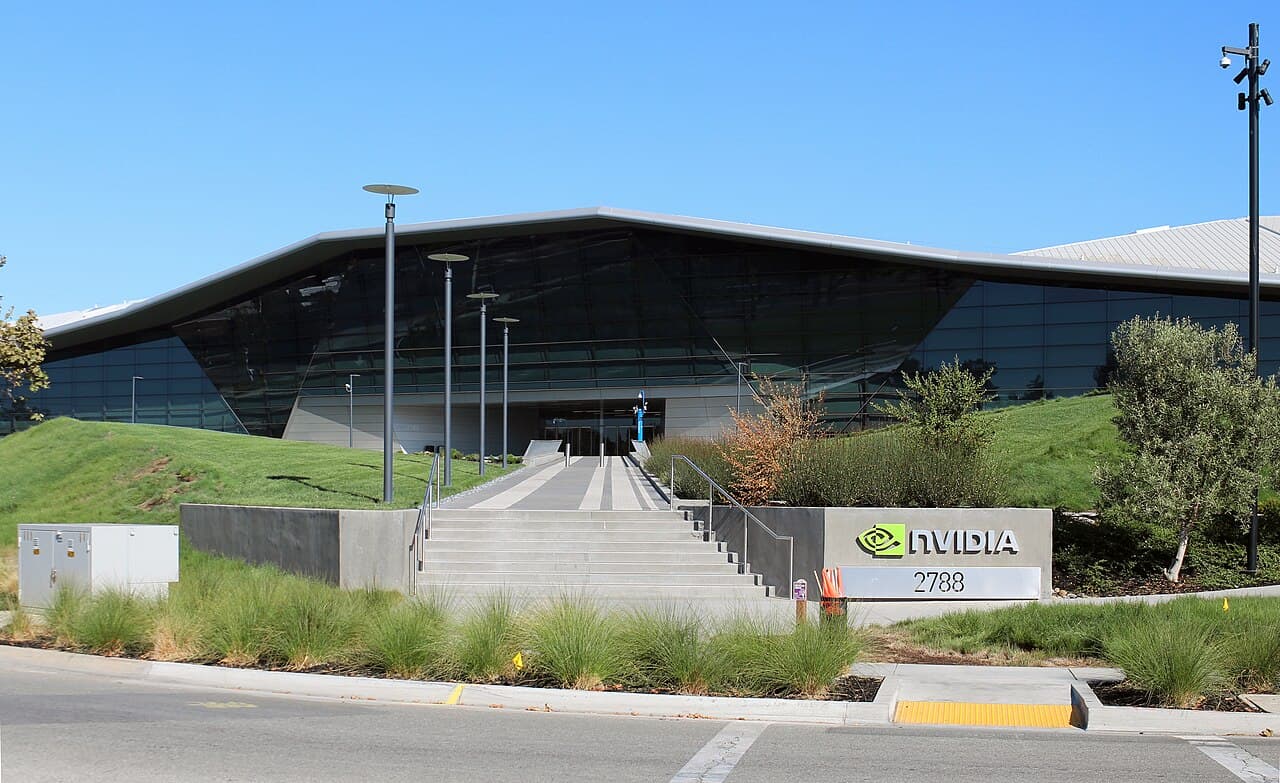
Nvidia is in discussions to provide a financial guarantee of up to $250 billion to help OpenAI secure the lease for a colossal 10-gigawatt (GW) data center complex in Ohio, in a deal that highlights the unprecedented capital requirements now driving the artificial intelligence race. The proposed project, being developed by SoftBank's energy subsidiary, SB Energy, could ultimately cost more than $500 billion when factoring in the chips required to equip the facility, according to multiple reports citing people familiar with the matter. This commitment, if finalized, would represent one of the largest financial arrangements in the history of the technology industry, underscoring how deeply Nvidia’s (NVDA) business success is now tied to financing the infrastructure of its largest customers.
The guarantee is designed to act as a crucial "credit wrapper" that allows the data center developer—SoftBank—to secure favorable construction and lease financing. OpenAI, as a non-investment grade company, cannot secure such terms on its own; by leveraging Nvidia’s strong balance sheet, the lending risk is mitigated, and the project can move forward. This complex arrangement effectively sees Nvidia extend its influence from merely being a chip supplier into a project finance partner, securing a 20-year lease commitment for the site that will inevitably require hundreds of billions of dollars in its own high-end hardware.
For investors in the broader tech and supply chain sectors, this reported negotiation frames the AI boom not just as a demand story for chips, but as a circular financing model with significant inherent risk. Analysts have noted the circularity: Nvidia guarantees the customer's lease obligations, which allows the customer to secure the facility, which in turn secures the massive long-term order for Nvidia's chips (which is reportedly a separate, potential $350 billion financing arrangement). While securing demand for the firm’s products, the sheer size of the $250 billion guarantee introduces a massive contingent liability onto the chipmaker's balance sheet, creating potential financial exposure if OpenAI were to fail to meet its payments.
The scale of the 10 GW facility is staggering—it would require approximately the same amount of power as several major US cities and is planned for federal land, the former Portsmouth uranium enrichment plant. Its strategic nature is underlined by the reports that the power supply is controlled by the U.S. government, with funding for the power generation component backed by Japan, highlighting the geopolitical dimensions of securing AI compute capacity.
The primary focus for investors now is the final structure and terms of this guarantee, which remains in the negotiation phase and is not a settled deal. Any formalization would likely be tracked by the stock markets—including in Brazil, where technology valuations are increasingly correlated with global AI-driven CapEx cycles, even if the benchmark Ibovespa (IBOV) remains primarily sensitive to commodities and interest rate movements. Beyond the guarantee, investors should watch for the terms of the separate $350 billion financing that would cover the long-term purchase of the Nvidia chips themselves, which will ultimately dictate the extent of the firm’s balance sheet exposure and long-term revenue visibility.