
Brazil’s Federal Prosecutors Demand TikTok Remove 108 Ads for Mercury Fueling Illegal Gold Mining in the Amazon
Brazil's Federal Public Ministry has ordered TikTok to remove over 100 posts advertising metallic mercury, a key vector for Amazon environmental contamination.
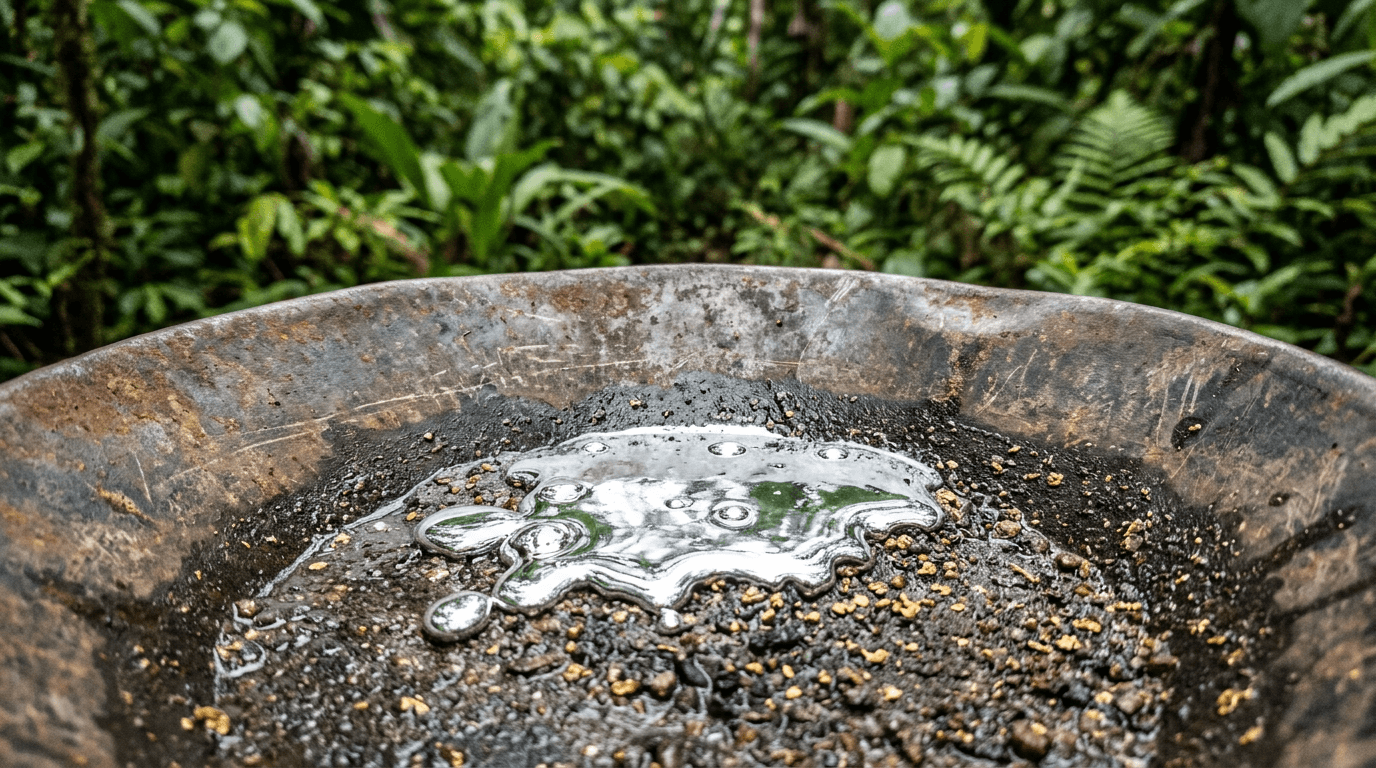
Brazil’s Federal Public Ministry (MPF), the country’s body of federal prosecutors, has issued a formal recommendation for ByteDance’s TikTok to immediately remove 108 posts and three user profiles advertising metallic mercury, a chemical central to illegal gold mining operations in the Amazon rainforest. The recommendation is a direct regulatory action against a major foreign social media platform, demanding it shut down a direct pipeline for a substance that causes profound environmental and human health crises in the region. The content identified by prosecutors, which explicitly targeted the Brazilian audience with terms like “Garimpo Owner” and offered high-purity mercury for sale, had already accumulated more than 5.8 million views, underscoring the scale of the illegal market operating on the platform.
The move comes from the MPF, an independent branch of government responsible for defending the public interest, including environmental and Indigenous rights, and highlights the growing legal risks faced by global tech companies operating in Brazil. In addition to removing the specific posts, the MPF is demanding that TikTok improve its content detection mechanisms to proactively block future advertisements and search results related to the illegal mercury trade. The company has been given a 30-day deadline to report on the specific measures it has taken to comply with the recommendation. This is not the first time a major platform has been targeted for this reason; federal prosecutors previously opened an investigation into similar sales on Latin America’s largest e-commerce site, Mercado Libre.
Mercury is indispensable for garimpo, or wildcat gold mining, where it is used to separate gold flakes from river sediment and ore. In the process, the highly toxic heavy metal is released directly into Amazonian rivers, where it contaminates the water and accumulates in the food chain, especially in fish consumed by local and Indigenous communities. The toxic exposure has led to alarming health outcomes in the region, with studies showing contamination rates significantly higher than recommended safety limits, a crisis that has become particularly acute for the Yanomami people and others whose traditional diet is centered on fish from contaminated rivers. The sale and use of mercury in this manner is illegal in Brazil and requires specific environmental licensing.
This latest action signals Brazil’s growing regulatory scrutiny of social media companies, not just for content moderation related to environmental crime, but also on issues of data privacy and child safety. While the MPF’s recommendation is not a court order, it typically precedes legal action if the company fails to comply. The next development to watch will be TikTok’s formal response to the MPF’s 30-day reporting requirement, which will indicate whether the company intends to proactively police its platform against content that enables serious environmental crimes in the Amazon.