
Why Wall Street Is Swapping Brazilian Plane Makers for Retailers
A post-election surge in Brazil is prompting fund managers to dump global exporters like Embraer for beaten-down domestic retailers like Magazine Luiza.
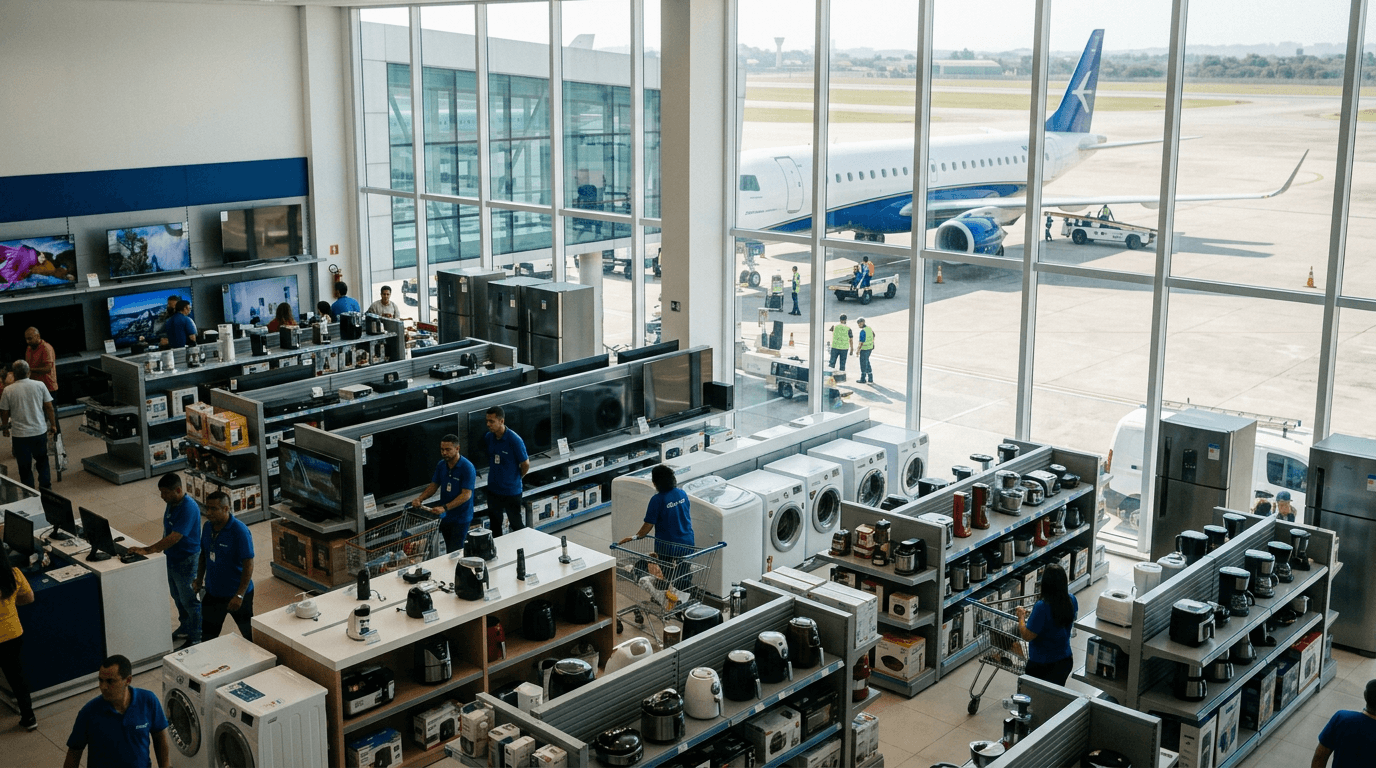
If you hold shares in a global aerospace giant or an emerging-market exporter, your portfolio may be feeling the ripple effects of a dramatic political shift in South America. For years, global investors playing the Brazilian market hid in safe, dollar-earning multinationals that were insulated from local economic turbulence. Now, a highly competitive presidential race is turning that conservative playbook on its head, forcing a rapid reallocation of capital.
The catalyst is a tight, market-moving electoral cycle in Brazil. Following the first round of the country's presidential elections, domestic retailer Magazine Luiza surged 62.29% in the week ending October 9, 2026, leading a historic rally on the local Ibovespa index. Conversely, US-listed aerospace giant Embraer fell 9.96% during that same week as a strengthening Brazilian real and shifting capital flows penalized dollar-earning exporters.
This sudden rotation reflects a massive change in how big money views political risk in Latin America's largest economy. Local asset managers are actively unwinding their defensive positions to chase beaten-down consumer stocks. Alpha Key Capital Management, an asset manager overseeing R$ 1.68 billion as of October 2026, confirmed it is shifting its portfolio to favor domestic small caps and consumer discretionary stocks over conservative exporters.
The "Flávio Trade" Shakes Up the Market
The sudden market optimism is tied directly to the "Flávio Trade". Investors are reacting to a tight presidential race between the incumbent left-wing President Luiz Inácio Lula da Silva and the conservative challenger, Senator Flávio Bolsonaro. Recent polling from mid-October 2026 shows the two candidates in a dead heat.
For the market, the rising competitiveness of the opposition candidate signals a strong possibility of fiscal reforms and a potential decline in interest rates, which have hovered at painful double-digit levels for years. "Just the fact that Brazil changes its government already greatly reduces fiscal risk," Christian Keleti, CEO of Alpha Key, told local media on October 16, 2026.
When fiscal risk drops, the local currency tends to strengthen. While a stronger Brazilian real is excellent news for local retailers that buy inventory or manage debt, it hurts exporters like Embraer, whose costs are denominated in local currency but whose revenues are collected in US dollars.
High Stakes and High Volatility
This rotation is not without risk. While domestic consumer stocks have been beaten down to historically low valuations, they remain highly sensitive to local interest rates and consumer confidence. If the election results do not deliver the expected fiscal discipline, the rally in domestic retail could quickly evaporate, and defensive exporters could regain their luster.
For global investors, the lesson is clear: the political landscape in Brazil is no longer just a background concern. It is actively dictating which sectors win and lose, turning yesterday's safe havens into today's laggards.
In your brokerage app
If you want to follow this rotation in your own portfolio, you can look at the US-listed shares of the Brazilian retail giant at the center of the rally. Magazine Luiza is available to international investors through its US-listed program under the name Magazine Luiza S.A. (sponsored ADR), which trades under the ticker MGLUY.