Betting Ban Triggers 6.5% Jump in Brazilian Supermarket Sales
Brazil's sudden ban on online gambling has redirected household funds to physical retail, sparking a debate over the true impact on consumer spending.
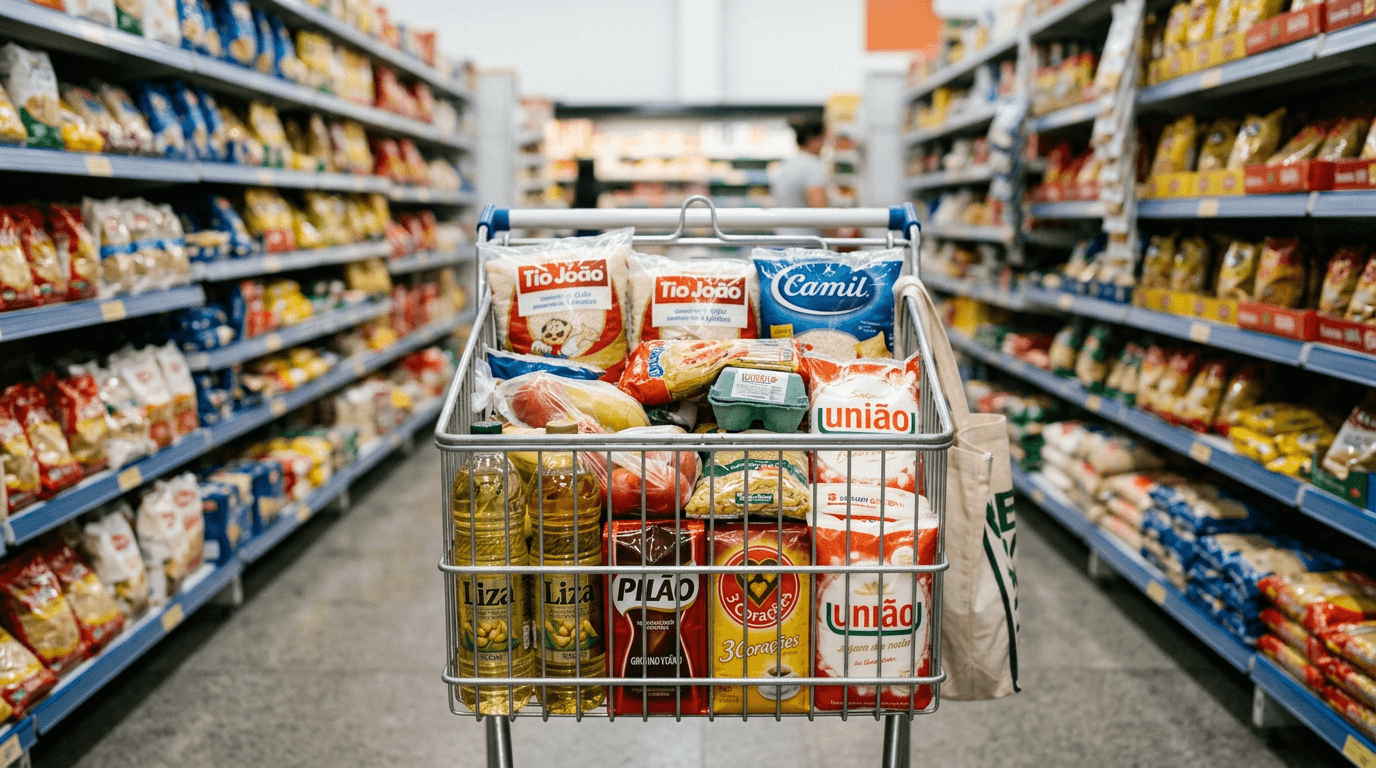
A sudden shift in how millions of families spend their money is providing an unexpected boost to consumer-facing businesses in Latin America's largest economy. Following a sweeping government crackdown on digital gambling, cash that was previously swallowed up by mobile betting apps is flowing back into physical retail, lifting sales of everyday essentials like rice, cooking oil, and coffee.
The shift follows the Brazilian federal government’s enactment of Provisional Measure 1,394/2026 on September 25, 2026. Signed by President Luiz Inácio Lula da Silva, the emergency decree completely banned the operation, advertising, and offering of online sports betting and virtual gambling platforms. The aggressive regulatory intervention, aimed at curbing severe household debt and protecting mental health, forced all licensed and unlicensed "bets" to halt deposits immediately and go completely offline by October 6, 2026.
The impact on the real economy was almost instantaneous. According to data released on October 29, 2026, by the Brazilian Association of Supermarkets (Abras), national supermarket sales jumped 6.5% year-over-year during the week of October 5–11, 2026. The momentum continued into the following week of October 12–18, 2026, which saw a 6.3% year-over-year increase in grocery retail sales.
An analysis by investment bank BTG Pactual published in mid-October highlighted that the sudden ban freed up significant disposable income, particularly for low-income families. Executives from major food retailers reported initial signs of improved consumption, particularly in inland cities and lower-income neighborhoods. While analysts note it is too early to declare a long-term structural recovery for the retail sector, the initial redirection of cash toward food and household goods is an encouraging sign for consumer companies.
Debating the Data
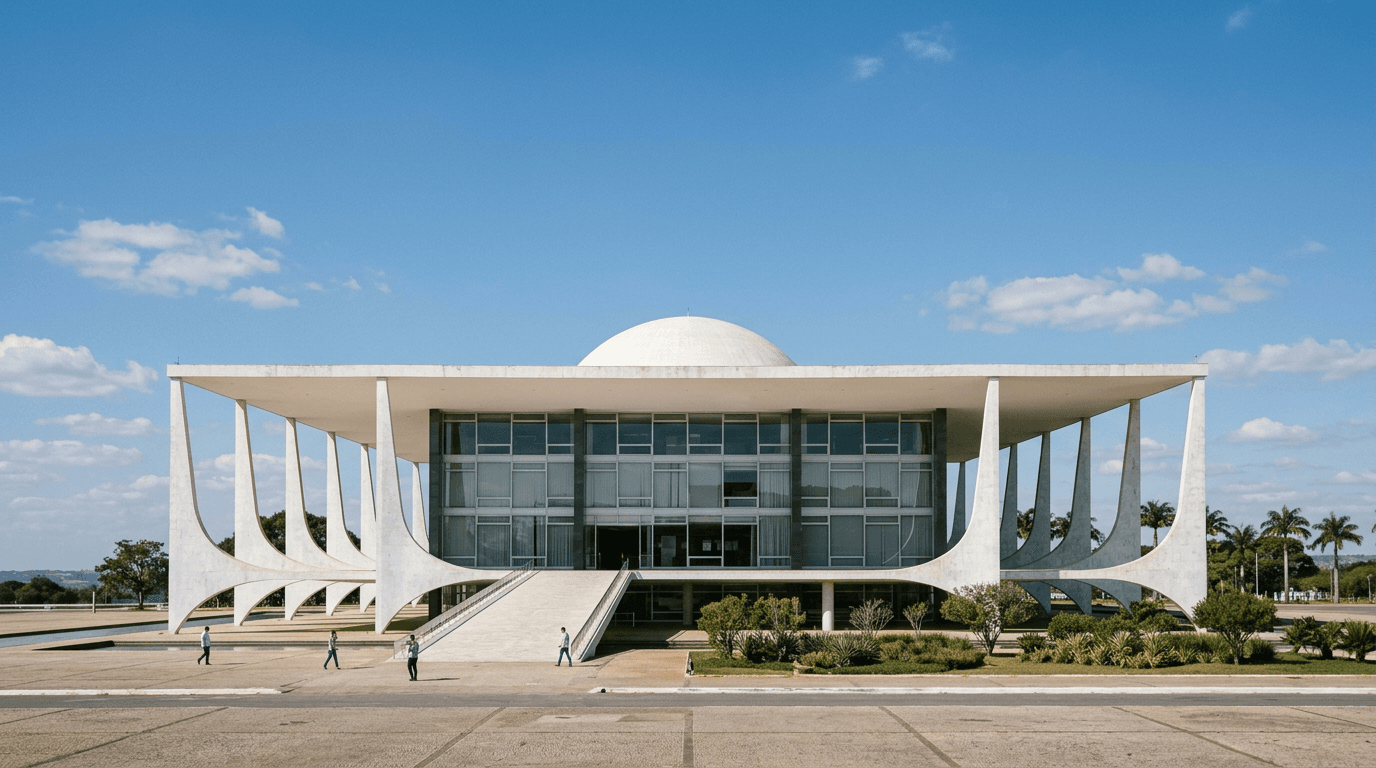
The sudden regulatory shift represents a dramatic reversal for Brazil, which had previously legalized and regulated fixed-odds sports betting under a landmark 2023 law. However, the explosive growth of online casinos and sportsbooks triggered a national debate over rising household defaults and the diversion of welfare payments into gambling apps. While online gambling associations have filed constitutional challenges in the Supreme Federal Court (STF) to overturn the ban, the strict restriction remains fully in force.
However, the direct correlation between the ban and the retail spike has faced pushback. The Brazilian Institute for Responsible Gambling (IBJR), representing betting operators, pointed out that supermarket sales were already growing at a nominal 7.9% in mid-September before the ban took effect. Other market observers note that the October sales spike coincided with a one-off liquidity effect, as bettors withdrew billions in idle balances from platforms ahead of the October 5 deadline, alongside a favorable calendar shift for the Children's Day holiday weekend.
Sector Context
The sudden redistribution of household spending from digital betting to physical retail has drawn attention to major Brazilian food retailers. Among the companies in this segment is Sendas Distribuidora, which operates the major cash-and-carry wholesale supermarket chain Assaí. The company's performance remains closely tied to broader macroeconomic trends, food inflation, and the evolving purchasing power of Brazilian households.