
Mercado Libre Eyes In-House Pharmacy Expansion in Chile
Mercado Libre seeks regulatory approval for an online-only pharmacy model in Chile, threatening traditional Latin American retail drugstores.
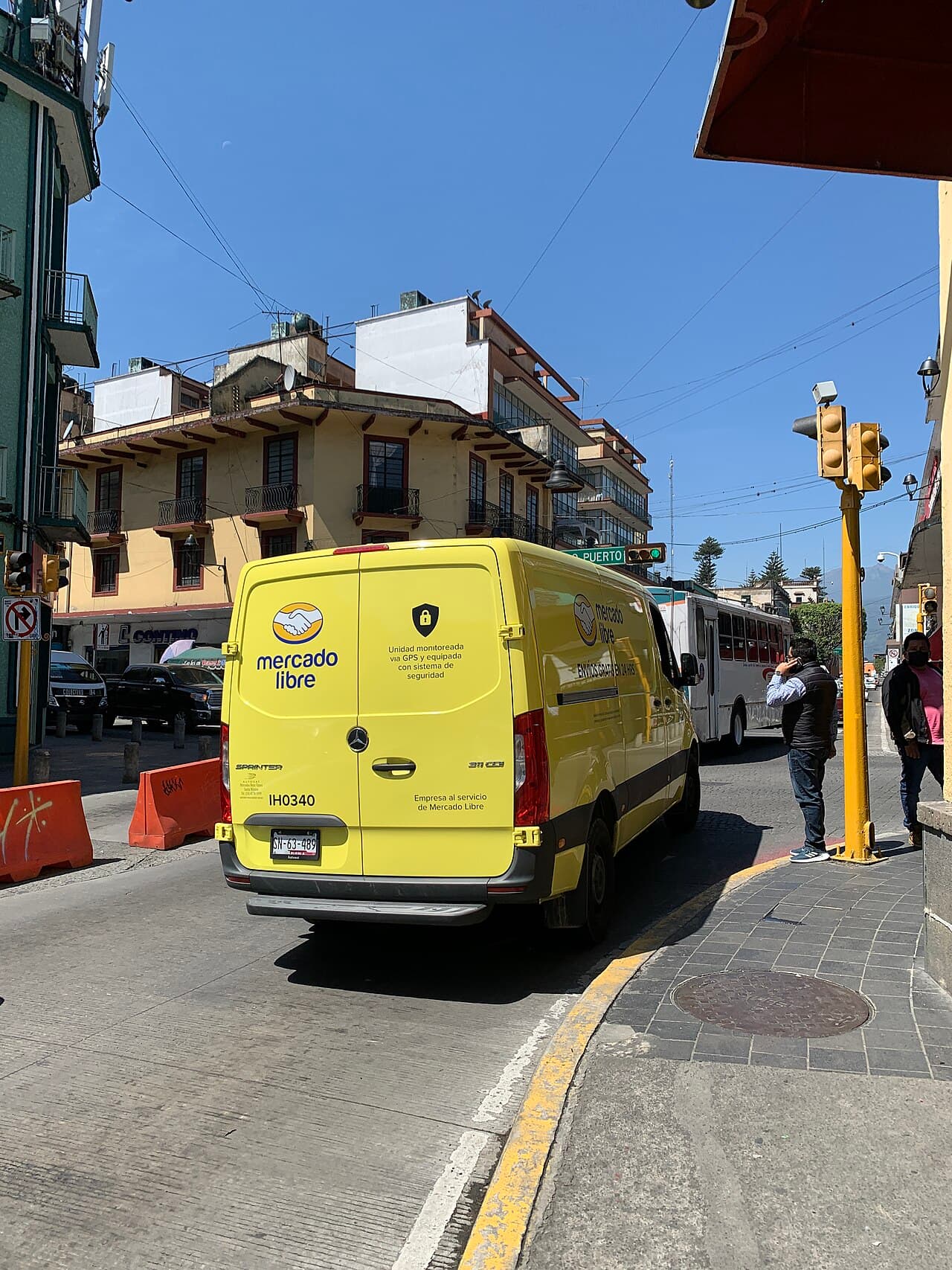
SANTIAGO — E-commerce giant Mercado Libre (NASDAQ: MELI) is pushing to establish its own online-only, in-house pharmacy operations in Chile, a strategic move that could reshape the regional pharmaceutical retail landscape. According to records of meetings with Chilean health officials, the company has held at least six regulatory discussions over the past year to pitch its digital pharmacy model. If approved, the expansion would allow the company to bypass traditional third-party sellers and directly leverage its dominant regional logistics network to deliver medications.
The proposed online-only drugstore model currently faces regulatory hurdles, as Chilean law does not permit pharmacies to operate without a physical storefront. Chile's health ministry has recommended that Mercado Libre seek a technical evaluation from the Public Health Institute (ISP) to address the necessary regulatory changes or reinterpretations. The Chilean initiative follows Mercado Libre’s brick-and-mortar entry in Brazil, where the company acquired a physical drugstore in São Paulo to comply with local regulations and launch an over-the-counter (OTC) delivery pilot.
This direct-to-consumer pharmaceutical push represents a significant threat to traditional Latin American retail pharmacy chains. If the Chilean rollout succeeds, it will serve as a blueprint for direct pharmaceutical retail expansion across other major Latin American markets. The threat of a highly efficient digital competitor looms over established brick-and-mortar pharmacy operators, including Brazilian giants Raia Drogasil (RADL3) and Pague Menos (PGMN3), which have historically relied on physical footprints to defend their market share.
As global investors look to invest in Brazil and broader Latin American equities through vehicles like the Brazil ETF (EWZ), Mercado Libre's aggressive logistics-driven expansion highlights the growing disruption of traditional retail sectors across the region. The company's push into healthcare represents a major step in its strategy to capture a larger share of the regional retail market, challenging established B3 stocks in the pharmaceutical space.