
Lavvi Rebounds with R$ 1.4B in Q2 Launches After Dry Q1
Brazilian developer Lavvi (LAVV3) posts R$ 1.41 billion in Q2 2026 launches, driven by its Jardim da Hípica mega-project in São Paulo.
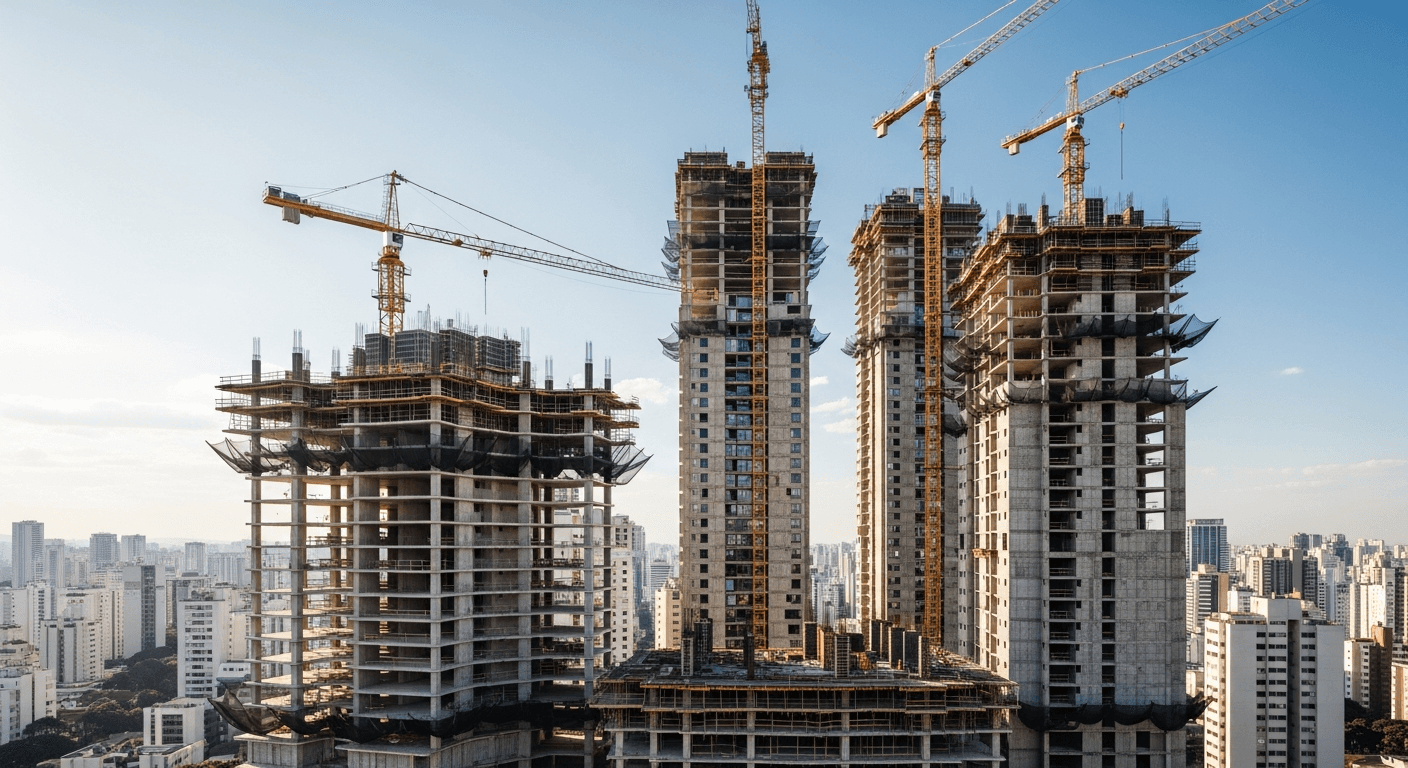
Brazilian high-end real estate developer Lavvi (LAVV3) delivered a major operational turnaround in the second quarter of 2026, registering R$ 1.41 billion in total launched sales value (VGV). The figure represents an 8% increase compared to the same period last year and marks a sharp recovery from a completely launchless first quarter of 2026, which had temporarily weighed on the company's stock price and financial margins.
The developer's massive Q2 operational preview was heavily anchored by the highly anticipated "Jardim da Hípica" mega-project in São Paulo, the largest development in Lavvi's history. The project alone accounted for 64% of the quarter's total sales, with 44% of its first phase already sold. Strong demand for larger units even prompted Lavvi to accelerate the commercialization of 21 future-phase apartments, adding R$ 80 million to the quarter's VGV. Consolidated net sales for the developer reached R$ 875.2 million, marking a 12% increase year-over-year.
Lavvi's robust Q2 performance validates its premium real estate thesis, supported by a low forward price-to-earnings (P/E) ratio relative to historical averages. The strategic decision to concentrate resources in Q1 to prepare for the Jardim da Hípica launch has restored operational momentum and calmed investor concerns over temporary cash burn.
In the broader Brazilian market, today's trading session saw the Ibovespa index (IBOV) close down at 173,825.27 points (-1.24%). Among major equities, Petrobras (PETR4) fell to R$ 39.89 (-1.72%), Vale (VALE3) slipped to R$ 72.98 (-2.05%), and Itaú Unibanco (ITUB4) ended at R$ 42.55 (-1.37%). Despite the wider market drag, Lavvi's operational rebound positions it as a resilient player in the homebuilder sector, backed by a robust landbank of R$ 9.5 billion in potential VGV.