
H&M Expansion into Northeast Brazil Puts Pressure on Local Fashion Retailers
Swedish fast-fashion giant H&M is expanding into Brazil's Northeast, signaling confidence in the region's 55 million consumers and intensifying competition for smaller local brands in cities like Recife and Fortaleza.
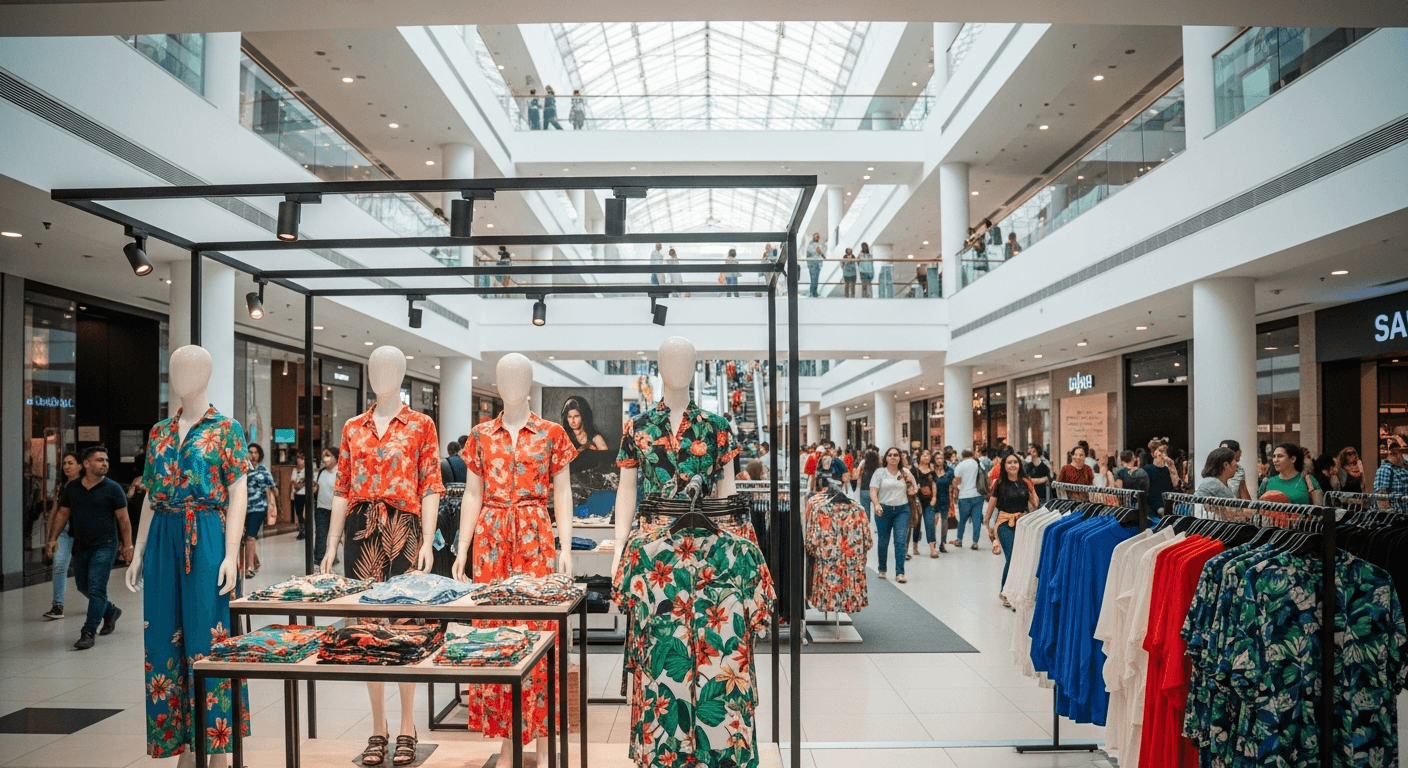
Swedish retailer Hennes & Mauritz (H&M) has announced the opening of four new stores in Brazil, including its first two locations in the country's Northeast, a strategic move that signals international confidence in the region's growing consumer power while creating immediate competitive pressure for local fashion businesses. The new stores are planned for Recife and Fortaleza, marking H&M’s entry into the region one year after the company’s initial operation launch in the Southeast in August 2025. H&M cited the Northeast’s above-average shopping mall productivity and a strong online customer base as key drivers for the expansion.
The decision to move into the Northeast challenges the established fashion ecosystem in a region of approximately 55 million people. Historically considered less prosperous than the Southeast, the Northeast's economy has been growing at a pace that often exceeds the national average, fueled by a rising middle class and robust retail demand. Cities like Recife, the capital of Pernambuco, and Fortaleza, the capital of Ceará, are major commercial hubs where local designers and smaller retail chains cater to regional tastes and tropical climates. This local textile and apparel sector, largely composed of unlisted, family-run small caps, will now face a direct and formidable competitor offering high-volume, low-cost international fast fashion.
The expansion validates the region's economic momentum, which has seen significant public and private investment driving income growth. For foreign readers, it is important to understand that the move is not just about two new stores but about H&M committing to a key Brazilian frontier, following the playbook of major domestic retailers. The company’s rationale focuses on a strong existing e-commerce base, suggesting that a successful digital operation has paved the way for physical locations that serve as distribution hubs and showrooms.
The most immediate impact will be felt by the smaller, homegrown retailers, designers, and manufacturers that form the backbone of the local fashion industry. These enterprises, which often sell through regional wholesale hubs and independent boutiques, operate with thinner margins and less scalable supply chains than a global powerhouse like H&M. Their ability to compete hinges on local identity, niche offerings, and deep community ties, which will now be pitted against a global brand's pricing, scale, and international trends. The coming months will determine whether these local businesses can adapt by focusing on differentiated, higher-value goods or a speedier fulfillment model to retain their customer base.
What it touches The move brings H&M into direct competition with major publicly traded Brazilian fast-fashion chains, such as Lojas Renner and Riachuelo, which are the incumbents in the mass-market retail segment, though the most significant competitive pressure will be placed on smaller local fashion entrepreneurs. The broader Brazilian Retail Sector (Varejo) benefits from the international signal of consumer confidence, but the new competitive dynamic could affect the sales of domestic rivals.