
BNDES Mais Mobilidade Approvals Hit R$ 20 Billion, Signaling Massive Demand for Brazilian Vehicle and Small-Cap Supply Chain Stocks
BNDES fleet renewal program is almost exhausted, fueling optimism for manufacturers like Randon and Marcopolo.
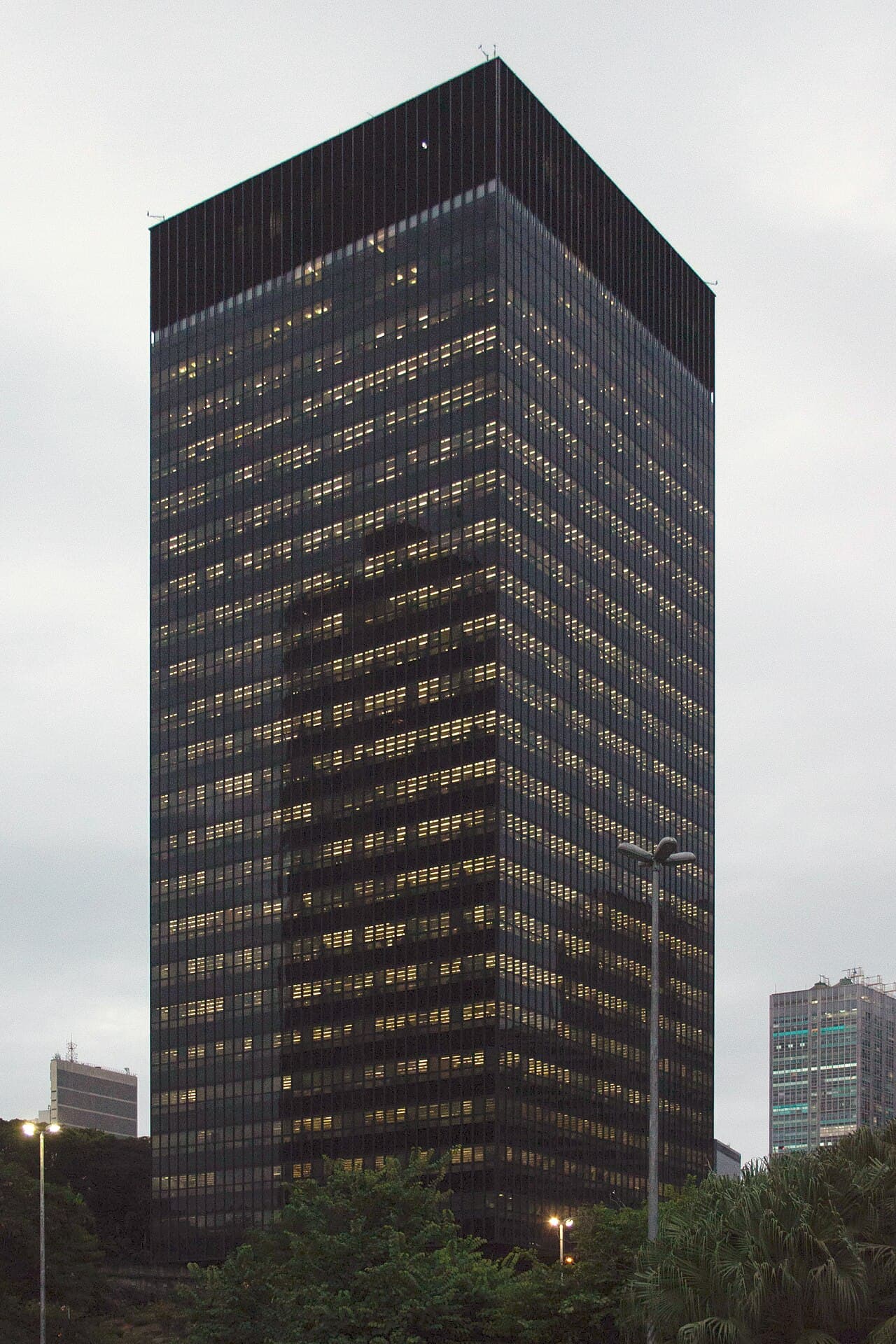
The Brazilian Development Bank (BNDES) has approved R$ 20 billion ($3.7 billion) in financing under its Mais Mobilidade fleet renewal program, consuming 95% of the initiative's R$ 21 billion budget and signaling a massive, subsidized surge in demand for the domestic heavy vehicle and auto parts industries. The rapid near-exhaustion of the credit line, which finances the acquisition of new, less-polluting trucks, buses, micro-buses, and road implements, underscores strong underlying demand from Brazilian logistics and transportation operators for fleet modernization, a crucial input for the sector's equity valuations. The benchmark Ibovespa index, meanwhile, fell 1.03% to 174,749.92.
The key mechanism driving the impact on the supply chain is the subsidized nature of the credit combined with a strict local content requirement. Launched to replace Brazil’s aging fleet with newer models meeting the Proconve P-8 emissions standard, the program requires the acquired vehicles to be manufactured in Brazil, making it a direct industrial stimulus. By offering more favorable interest rates than the currently restrictive Selic-linked market alternatives, the BNDES Mais Mobilidade line effectively pulls forward and guarantees a substantial volume of new orders for local assemblers and their component suppliers, providing a buffer against the slowdown driven by high interest rates. This credit line specifically targets vehicles and equipment that are fundamental to road logistics in the country, including R$ 2 billion earmarked just for the acquisition of new buses.
The massive draw-down of the budget is a boon for publicly traded companies whose revenues are directly linked to these segments. Marcopolo (POMO4), a leading bus manufacturer, and Randoncorp (RAPT4), a major producer of road implements and auto parts, are primary beneficiaries, as the program channels a significant order flow directly into their end markets. While Randon's stock has faced pressure due to a weaker demand outlook for implements, the BNDES funding strongly counteracts this trend, providing a clear catalyst for a recovery in order books for both its main vehicle implement business and its small-cap-traded subsidiary, auto-parts maker Frasle Mobility. The program’s success confirms that liquidity, not a lack of interest, was the key impediment to the fleet renewal cycle.
Investors should now watch two primary signals. The most immediate is the August 28 deadline for the protocol of new operations, which will mark the end of the current R$ 21 billion funding cycle. More importantly, the speed with which the budget has been utilized suggests pressure on the government to announce a third phase or an expansion of the BNDES program, a decision that would materially extend the current positive demand cycle for the Brazilian vehicle and small-cap auto-parts supply chain.