
US Tariffs on Brazilian Wood Fuel Political Firestorm Ahead of Presidential Vote
New 25% US tariffs on a range of Brazilian goods, including wood products, ignite a trade war and trigger a political blame game involving Lula and presidential candidate Flávio Bolsonaro.
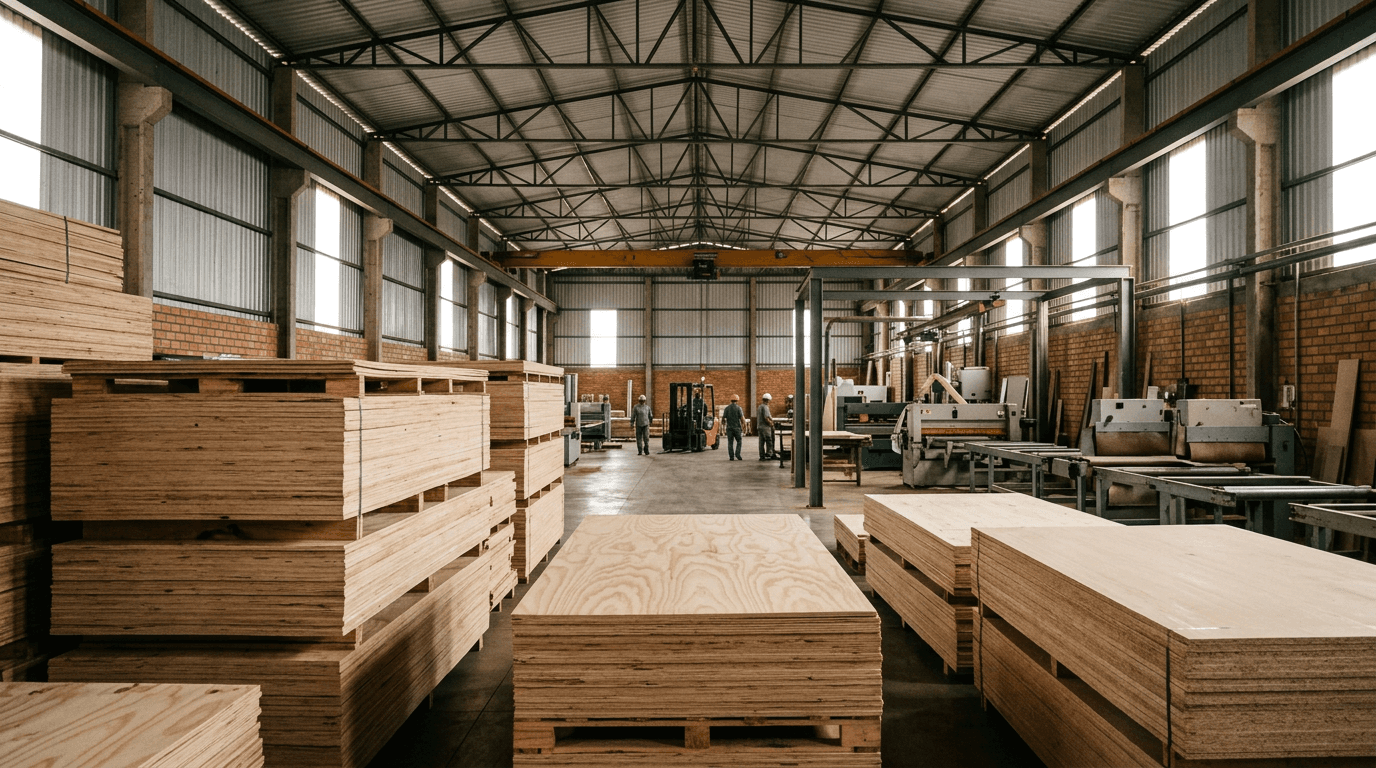
New United States tariffs of 25% on a broad range of Brazilian exports, including several key wood product lines, took effect this year, immediately sparking a major trade friction and a political crisis within Brazil's current election race. The tariffs, announced by the US Trade Representative (USTR) under Section 301 of the Trade Act of 1974, target products like plywood, engineered wood, and wooden doors, threatening thousands of jobs and hundreds of companies, particularly in export-reliant states like Paraná.
The commercial action, which could see some goods face combined duties of up to 37.5%, has been framed by the Lula administration as politically motivated ahead of the October general election. While an initial U.S. threat to impose duties on Brazilian tilapia exports was ultimately reversed due to lobbying from U.S. industry, the wood products sector now faces a significant hurdle in one of its most important foreign markets.
Political Accusation
The economic tension quickly devolved into a political attack centered on presidential candidate Flávio Bolsonaro (PL), the son of former president Jair Bolsonaro. Gleisi Hoffmann, Federal Deputy and President of the ruling Workers' Party (PT), publicly accused Flávio Bolsonaro of encouraging the U.S. tariffs for political gain, stating that his actions and those of his family were actively working against national interests.
The accusation stems from Flávio Bolsonaro's visits and public support for the U.S. administration and its policies, which the PT interprets as a willingness to court foreign political support even if it results in economic harm to Brazil. Flávio Bolsonaro, a Senator from Rio de Janeiro, is a leading right-wing opposition candidate to the incumbent party. The USTR, in justifying the tariffs, cited a year-long investigation into Brazilian trade practices, including issues related to digital trade, anti-corruption enforcement, and illegal deforestation, which it claims disadvantage U.S. companies.
Government Response and What to Watch
In response to the U.S. action, President Luiz Inácio Lula da Silva's government has triggered the nation’s economic reciprocity law mechanism and has promised to launch a formal challenge at the World Trade Organization (WTO). The Foreign Ministry stated it would request diplomatic consultations with the U.S. to privilege dialogue and negotiation, aiming to secure exceptions for other affected sectors. The government is also planning domestic measures to support the companies and sectors most vulnerable to the duties.
The trade dispute is set to be a key talking point in the lead-up to the October presidential election. The Lula administration will attempt to demonstrate strength in the face of perceived foreign interference, while the Bolsonaro campaign will likely continue to frame the tariff action as justified by the current government's alleged failings on issues like trade and environmental protection. The effectiveness of Lula's diplomatic push and the fate of the thousands of jobs at risk will determine the immediate political fallout.
What it touches
The tariffs directly affect Brazilian companies that export a range of wood-based products, including lumber, plywood, and furniture components, to the U.S. market, which represents a key destination for high-value-added Brazilian manufactured goods. The primary exposure is concentrated in companies and supply chains within Brazil's industrial south, especially in the state of Paraná, a major wood product manufacturer.
Related coverage
Politics · PRO
Brazil Candidates Agree on Fiscal Crisis, But Not the Cure for High Debt and Rates
Published
Politics
Brazil Supreme Court Justice Lifts Secrecy on Mário Frias Probe, Citing Possible PCC Link
Published
Politics
Brazil’s Supreme Court Heads for Showdown Over Judge’s Alleged Links to Multi-Billion Dollar Fraud Case
Published