
US Tariff Threat Becomes Central Political Weapon in Brazil’s Presidential Election
The threat of a 50% US tariff on Brazilian goods has fueled a sharp clash between President Lula and rival Flávio Bolsonaro ahead of the October vote.
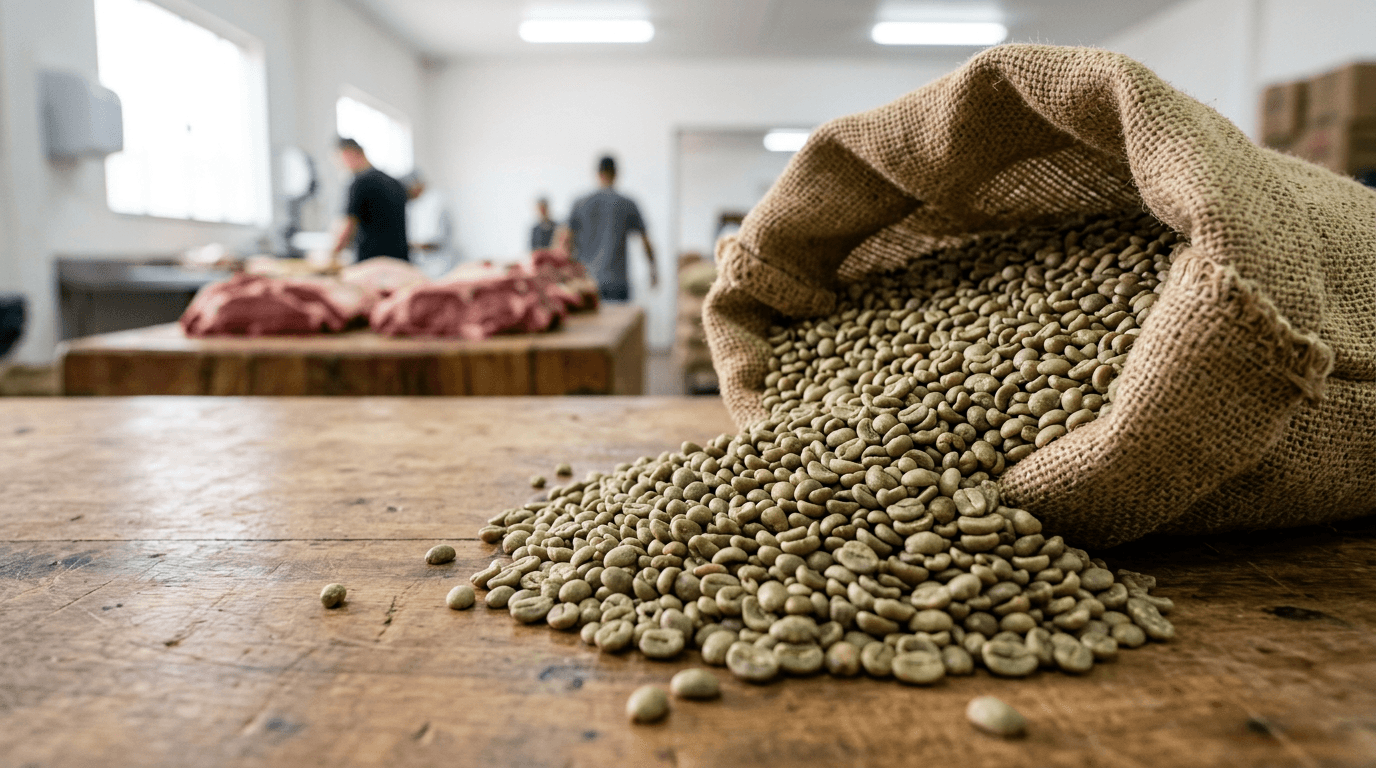
A recurring threat of a punitive 50% US tariff on Brazilian imports, widely dubbed the tarifaço, has escalated into a central and highly divisive issue in Brazil’s ongoing presidential election campaign. The proposed duties, which have already disrupted key export sectors, have triggered a sharp political clash between President Luiz Inácio Lula da Silva and his main challenger, Senator Flávio Bolsonaro. The issue introduces significant uncertainty for companies that rely on the US market, which is the second-largest destination for Brazilian exports.
The punitive tariffs were first proposed by the US administration of Donald Trump, with whom Flávio Bolsonaro has close ties, and were explicitly linked to judicial proceedings in Brazil against the senator’s father, former President Jair Bolsonaro. President Lula’s government has actively worked to prevent the full implementation of the 50% tariff, calling it "unacceptable blackmail" and a violation of Brazil’s sovereignty. Lula has also threatened to invoke Brazil’s recently approved Economic Reciprocity Law to impose mirror tariffs on US goods if the negotiations fail.
On the campaign trail, the trade threat has become a potent political weapon. The Lula camp is framing the potential duties as a betrayal and foreign interference encouraged by the Bolsonaro family, a line of attack that polls suggest resonates with a significant portion of the electorate. Meanwhile, Flávio Bolsonaro, a presidential hopeful who leads the right-wing opposition, has been publicly attempting to claim credit for efforts to bar the measure, arguing that the imposition of new tariffs would only politically benefit the incumbent government. He has even made submissions to US trade representatives to delay any new levies until after the October election, creating a political situation where both main candidates are vying to be seen as the defender of Brazilian economic interests against an external threat.
The Brazilian government has asserted that the direct economic impact of the tarifaço would be manageable, estimating it at around 2% of the country's GDP. However, officials also admit it will cause "prejudice for exporting companies," particularly those in sectors like coffee, natural stone, meat, and footwear, which are concentrated in specific regions and rely heavily on US buyers. The initial round of tariffs previously threatened production cuts and job losses in these specific industries, meaning the political risk is being felt acutely in local economies across the country.
What it touches: The trade uncertainty impacts Brazilian companies with significant US exposure, particularly those in the agribusiness and industrial export sectors, including listed companies in the commodities and processed goods spaces. The political instability over the tarifaço also creates pressure on the exchange rate, with the USD/BRL sensitive to the prospects of a trade war with a major partner.