
US Section 301 Tariffs Hit Brazil; Lula Vows WTO Action
The US will impose a 25% Section 301 tariff on $7.4 billion of Brazilian goods, prompting President Lula to threaten WTO action and reciprocal surcharges.
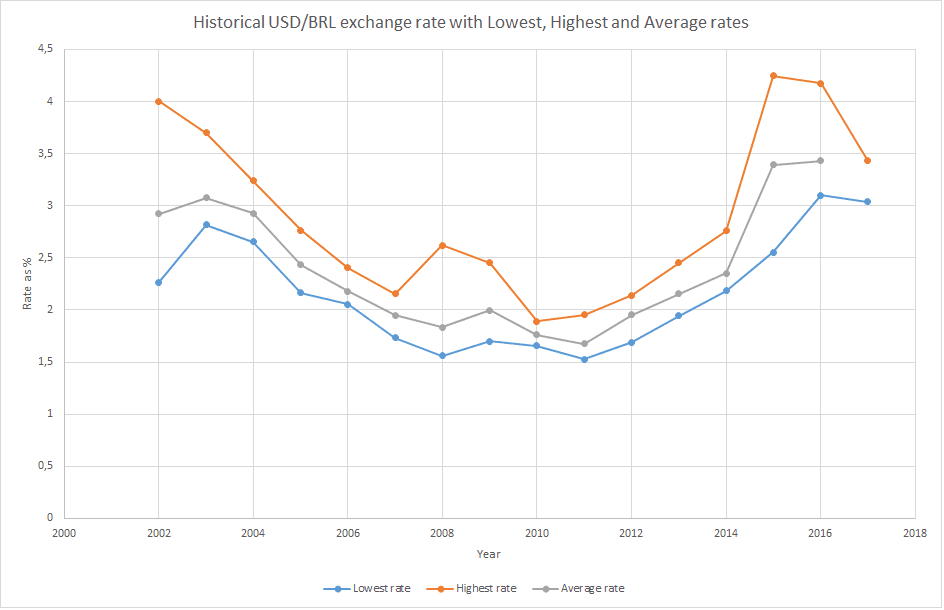
The U.S. Trade Representative (USTR) has finalized a 25% tariff on certain Brazilian goods under Section 301 of the Trade Act of 1974, effective July 22, 2026. The punitive duties target approximately $7.4 billion in Brazilian exports, representing about 18% of the country's total shipments to the United States. While key commodities such as beef, coffee, orange juice, and civil aircraft are exempted, the tariffs will hit critical industrial and agricultural sectors, including machinery, footwear, furniture, sugar, ethanol, and steel-related products like pig iron.
In response to the USTR announcement, Brazilian President Luiz Inácio Lula da Silva rejected the allegations of unfair trade practices, calling the unilateral measures entirely unjustified. Lula announced that Brazil is preparing reciprocal trade countermeasures under its domestic "Reciprocity Law" and will challenge the U.S. tariffs through the World Trade Organization (WTO) dispute settlement mechanism. The escalating trade dispute threatens to squeeze margins for prominent Brazilian exporters and disrupt bilateral trade flows.
The sudden trade friction comes at a sensitive time for financial markets and the Brazilian real forecast. On the corporate front, major exporters are bracing for impact. While mining giant Vale (VALE3; ADR: VALE) may see limited direct fallout due to raw material exemptions, industrial manufacturing bellwether Weg (WEGE3) faces a more complex environment as machinery exports bear the new 25% duty.
Market participants are closely watching the USD/BRL exchange rate, which stood at 5.0988 ahead of the tariff implementation, alongside the benchmark Ibovespa index (IBOV). This geopolitical headwind adds pressure on local monetary policy, where the Central Bank of Brazil's upcoming Copom decision on Brazil interest rates Selic—currently at a meta rate of 14.25%—must balance inflationary risks against a potential slowdown in industrial export growth. Investors trading the Brazil ETF (EWZ) are advised to monitor how these retaliatory surcharges might reshape corporate earnings in the targeted manufacturing and agribusiness sectors.
Related coverage
Politics · PRO
Brazil Supreme Court Moves to Impose Binding Fiscal Discipline on All Government Spending
Published
Politics · PRO
Brazil’s PPSA Schedules First Auction to Break Petrobras Gas Monopoly, Targeting 50% Price Cut for Industry
Published
Politics · PRO
Brazil’s Election Defined by Stark Fiscal Divide Over High Debt and 13.75% Interest Rate
Published