
US 25% Tariffs Hit Brazil Today; 18% of Exports Affected
The US Section 301 tariff of 25% on Brazilian goods takes effect today, impacting $7.4 billion in exports while sparing key blue-chip commodities.
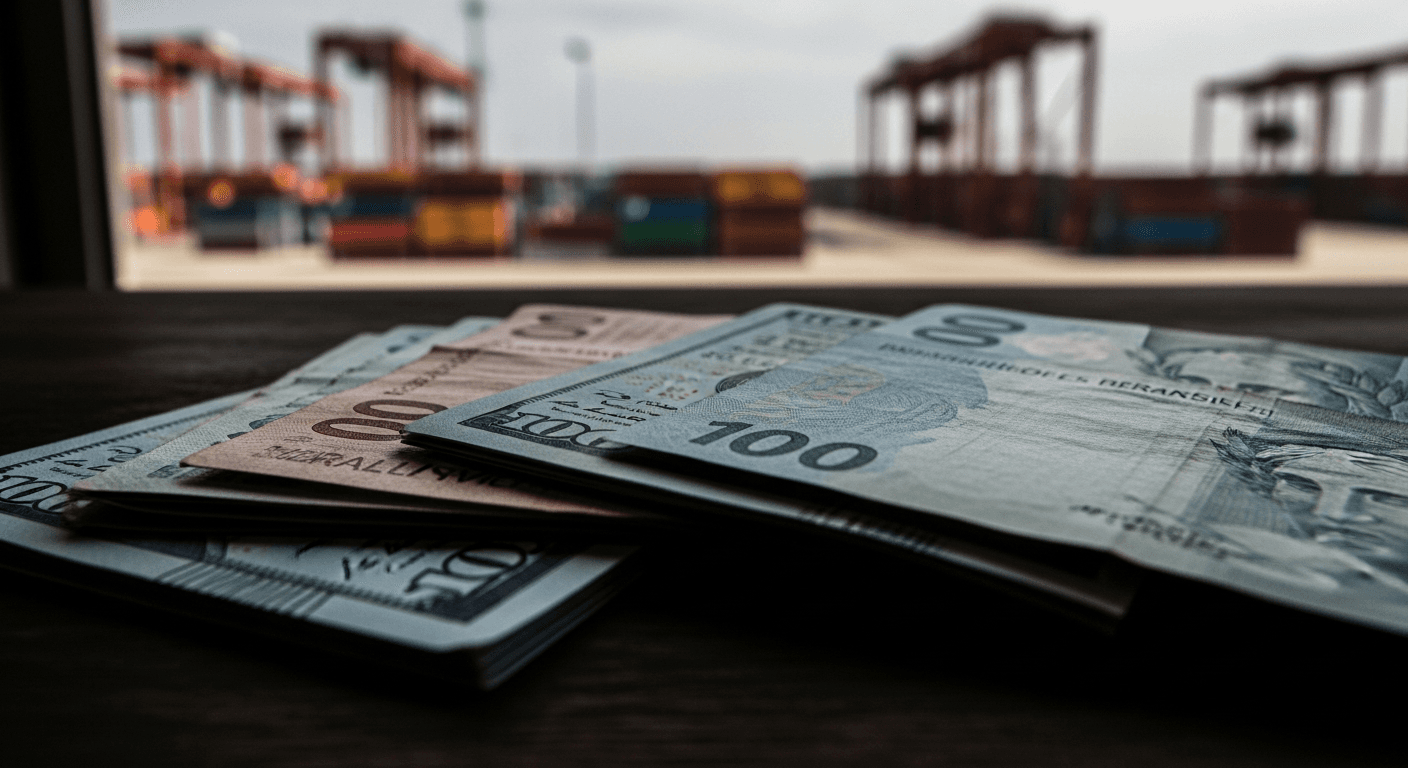
A new 25% additional tariff imposed by the United States under Section 301 of the Trade Act of 1974 has officially taken effect today, Wednesday, July 22, 2026. According to estimates from Brazil's Ministry of Development, Industry, Commerce and Services (MDIC), the trade barrier impacts approximately 18% of Brazil’s total exports to the US, equivalent to $7.4 billion based on historical trade data. The tariff increases export costs for roughly 3,000 Brazilian products, squeezing margins for industrial, paper, and agricultural machinery exporters.
Despite the broad scope of the "tarifazo," major blue-chip exporters have been protected by key exemptions. Crucial commodities—including crude oil, coffee, beef, orange juice, and aircraft parts—are entirely spared from the additional levy. This targeted structure shields some of the largest companies listed on the B3 exchange, though paper and pulp giant Suzano (SUZB3) and various industrial manufacturers face immediate cost pressures.
For global investors monitoring the Brazil ETF (EWZ) and the Ibovespa today, the tariff implementation introduces a fresh layer of geopolitical risk. The Brazilian real forecast remains highly sensitive to trade developments, with the USD BRL trading near 5.078 in recent sessions as the market digests the news. While mining giant Vale (VALE3) remains largely insulated due to the nature of its global mineral exports, the broader industrial sector is bracing for impact.
In response to the tariff, Vice President Geraldo Alckmin and MDIC officials met with industrial leaders to discuss mitigation strategies, including emergency credit lines under the "Plano Brasil Soberano". While the Brazilian government has raised the possibility of leveraging its Economic Reciprocity Law, officials are currently prioritizing diplomatic dialogue and domestic business support over immediate retaliatory tariffs. Investors looking to invest in Brazil will continue to watch how these trade tensions influence local interest rates and monetary policy moving forward._
Related coverage
Politics · PRO
Brazil Supreme Court Moves to Impose Binding Fiscal Discipline on All Government Spending
Published
Politics · PRO
Brazil’s PPSA Schedules First Auction to Break Petrobras Gas Monopoly, Targeting 50% Price Cut for Industry
Published
Politics · PRO
Brazil’s Election Defined by Stark Fiscal Divide Over High Debt and 13.75% Interest Rate
Published