
Structural Shift: Record Number of Indigenous and LGBTQIA+ Candidates Reshape Brazil’s Political Field
The 2026 Brazilian general election shows a record-breaking surge in candidates from underrepresented groups, signaling a long-term evolution of the country’s political class.
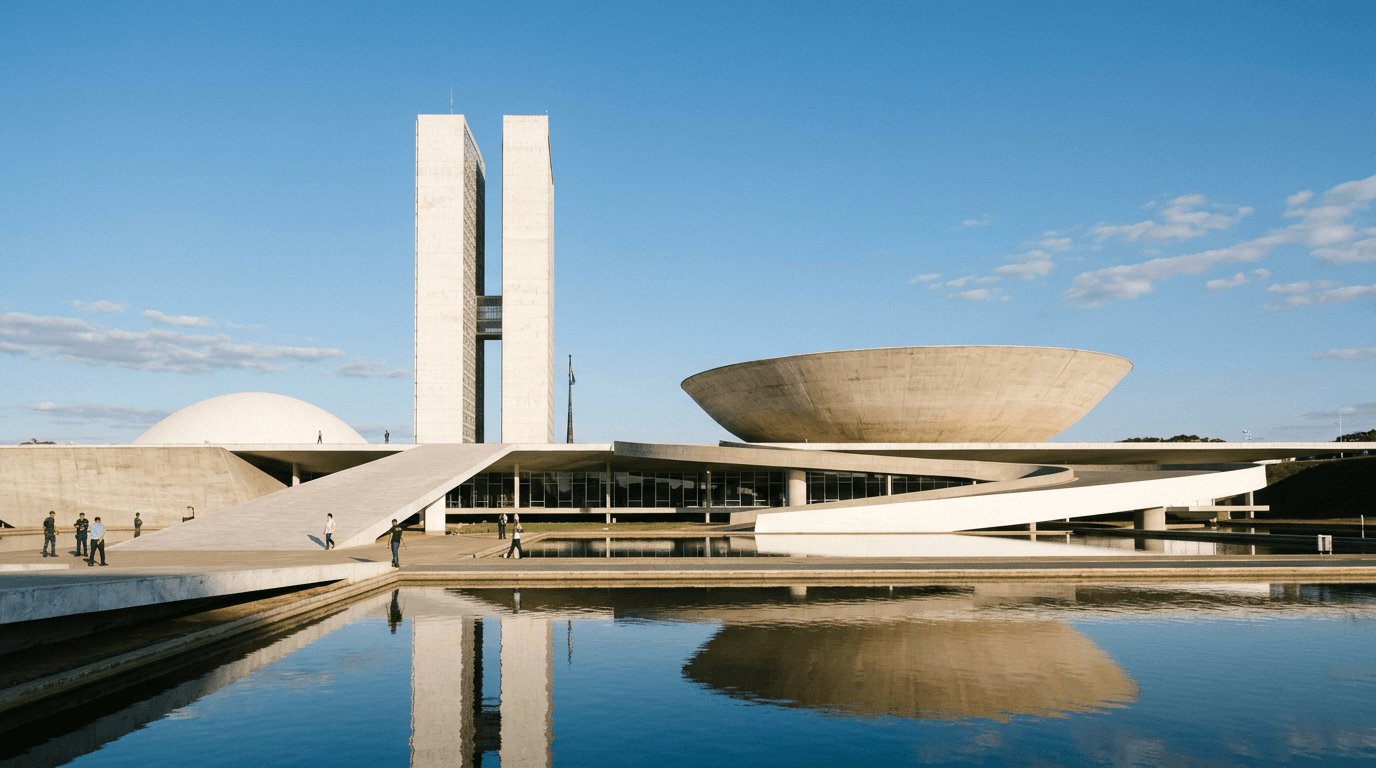
The 2026 Brazilian general elections feature an unprecedented number of candidates from historically underrepresented groups, signaling a potential structural shift in the country's political class. Candidacies identifying as LGBTQIA+ hit a record high, increasing 57% compared to the 2022 general elections, according to a survey by the Instituto Plena Cidadania, now making up approximately 2.5% of the total candidate pool. Simultaneously, the Superior Electoral Court (TSE) confirmed 191 Indigenous candidates, the highest number since racial self-declaration became mandatory for registration in 2014.
This surge is largely driven by judicial mandates that connect party funding to diversity, forcing political parties to reconsider who they field and finance for elections. The Supreme Federal Court (STF) and the TSE have instituted affirmative actions that require parties to ensure proportionality in the allocation of public campaign funds, specifically for female and Black candidates. Although the direct mandate is not for LGBTQIA+ or Indigenous candidates, the rules have created a strong incentive for parties to broaden their appeal and field more diverse slates to secure funding and enhance their proportional representation in the future.
The largest growth is concentrated in races for the Chamber of Deputies, the lower house of Brazil's National Congress, where the number of LGBTQIA+ candidates increased by 84%. This focus on the legislative branch suggests a strategic effort to alter the policy debates that govern the country. For Indigenous communities, the record number of candidates—many running for federal and state deputy seats—represents a crucial push for greater say over issues like land rights, which have faced intense pressure from mining and agricultural lobbies.
The increase in diverse candidacies reflects the success of advocacy groups in building political space and forcing parties to acknowledge demographic reality, even if reluctantly. For parties, recruiting diverse candidates is becoming a matter of both political necessity and financial strategy. The challenge now lies in translating these record candidacies into elected seats in Congress, a step that would solidify a new, more diverse political landscape and directly affect the mechanisms of power in Brasília.
Related coverage
Politics · PRO
Brazil’s VAT Transition Plagued by Compliance Delays, Increasing Implementation Risk for Foreign Companies
Published
Politics
Brazil’s Top Prosecutor, Paulo Gonet, Probed by Council Over Ties to Ex-Banker Daniel Vorcaro
Published
Politics
Lula’s Runoff Lead Over Bolsonaro Narrows to 7.3 Points Weeks Before Brazil Election
Published