
Regulatory Risk in Brazil Power Tariffs Damps Low Inflation
Brazil's July IPCA-15 inflation slowed to 0.06%, but a 3.03% spike in residential electricity driven by regulatory adjustments poses risks for utility stocks.
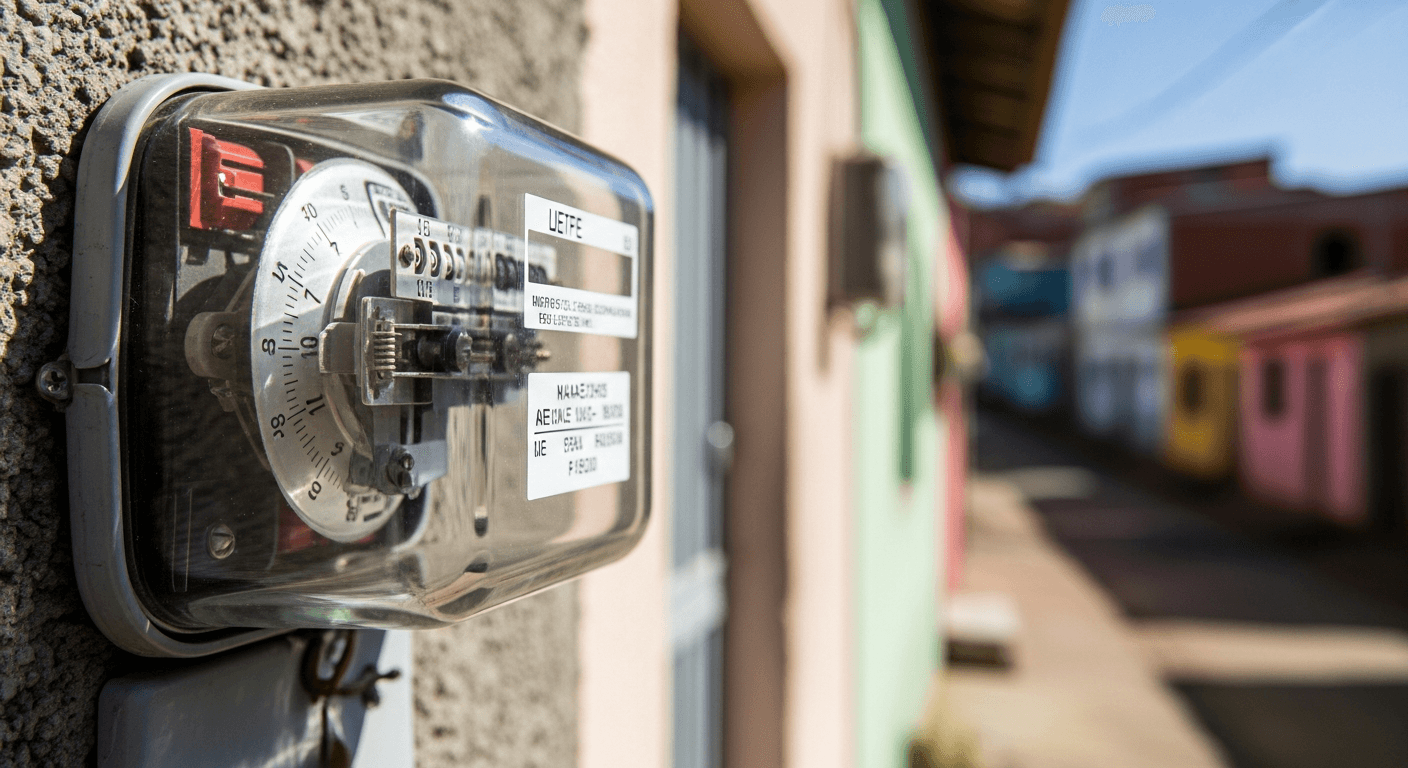
Brazil’s preliminary consumer price index, the IPCA-15, rose just 0.06% in the month to mid-July, marking its lowest level since May 2024. While the headline figure came in well below the median market forecast of 0.20%, the cooling trend was heavily tempered by a sharp 3.03% jump in residential electricity prices. This single sub-item contributed 0.12 percentage points to the overall index, effectively acting as the primary upward driver and offsetting a seasonal 0.66% decline in food and beverage costs. On an annual basis, the mid-month inflation gauge eased to 4.52%, hovering just above the upper tolerance limit of the central bank’s target band of 3.0% plus or minus 1.5 percentage points.
The mechanism behind the power price spike highlights the persistent regulatory and political risks embedded in Brazil's utility sector. The July increase was primarily driven by the activation of the "Yellow Tariff Flag" by the electricity regulator, Aneel, alongside annual tariff re-adjustments that reached as high as 19.55% in several state capitals. Under Brazil's regulatory framework, these tariff flags trigger automatic surcharges on electricity bills during periods of lower rainfall to fund more expensive thermal power generation. For investors, this structure means that utility companies remain highly exposed to hydrology-driven tariff risks and regulatory interventions, which can abruptly alter cash flows and consumer demand.
On the Brazil stock market today, the benchmark Ibovespa today (IBOV) reacted with cautious optimism to the lower-than-expected headline inflation, though gains were capped by the underlying pressure in administered prices. Shares of major power utilities, including state-backed giant Eletrobras (ELET3), traded under close scrutiny as investors weighed the benefits of higher tariffs against the potential for regulatory pushback or government intervention to shield consumers. Meanwhile, the broader market, tracked globally by the Brazil ETF (EWZ), remains highly sensitive to how these non-discretionary cost increases impact household disposable income and overall retail consumption.
Looking ahead, the mix of cooling food prices and rising utility bills complicates the outlook for the upcoming Copom decision on August 4-5. Although the headline IPCA-15 slowdown provides some relief, the central bank is expected to maintain a highly restrictive stance on Brazil interest rates Selic, which currently sit at 14.25%. Policymakers have repeatedly warned about unanchored inflation expectations and a tight labor market. Investors will closely monitor whether persistent pressure from administered prices like electricity forces the central bank to keep rates elevated, a scenario that would continue to weigh on equity valuations across the B3 exchange.
Related coverage
Politics · PRO
Brazil Supreme Court Moves to Impose Binding Fiscal Discipline on All Government Spending
Published
Politics · PRO
Brazil’s PPSA Schedules First Auction to Break Petrobras Gas Monopoly, Targeting 50% Price Cut for Industry
Published
Politics · PRO
Brazil’s Election Defined by Stark Fiscal Divide Over High Debt and 13.75% Interest Rate
Published