
PGR Seeks to Shift Lula’s Son Influence Peddling Case Out of Supreme Court
Brazil's top prosecutor requested the investigation into Fábio Luís Lula da Silva, known as Lulinha, be moved from the STF to a lower court.
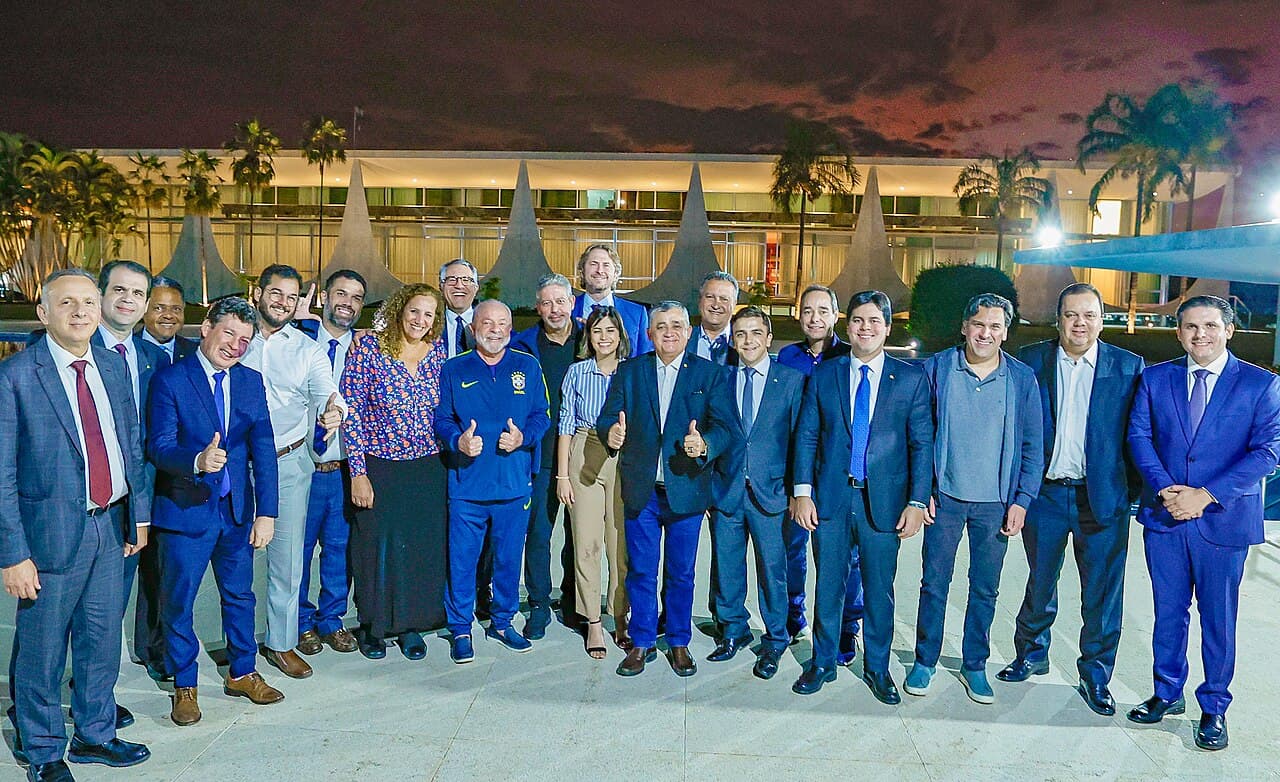
The investigation into alleged influence peddling by Fábio Luís Lula da Silva, the eldest son of President Luiz Inácio Lula da Silva, took a decisive turn this week when the Prosecutor General's Office (PGR) formally asked the Supreme Federal Court (STF) to transfer the case to a lower court of first instance. The PGR’s argument is procedural: the high-profile case, which involves allegations that the president’s son, known as Lulinha, used his family name to benefit private interests, does not include any currently-serving official with special jurisdiction (foro privilegiado), meaning it should not be tried at the Supreme Court level. The move could significantly alter the trajectory of a politically explosive case with implications for the run-up to the 2026 presidential election.
The Federal Police (PF) investigation centers on Lulinha's alleged ties to lobbyists Roberta Luchsinger and Antônio Carlos Camilo Antunes in negotiations with the federal government. The scope of the probe involves at least three separate inquiries, including Lulinha's alleged role in efforts to secure a contract for the sale of medicinal cannabis to the Ministry of Health, a deal the Ministry stated never materialized. Investigators are working from messages that suggest "common economic interests" between Lulinha and the lobbyists, and one lobbyist reportedly claimed to act as "one" with Lulinha in their dealings with public power. Lulinha's defense team has strongly denied any wrongdoing and is pushing to have the investigations nullified, claiming they are politically motivated.
The current discussion over jurisdiction underscores the deep political tensions in Brasília, as control over the case is viewed as highly consequential. The STF, Brazil’s highest judicial body, initially authorized the probes, which are currently overseen by Ministers André Mendonça and Flávio Dino. By asking to move the case out of the STF, the PGR is acknowledging that no high-level political official is formally implicated and that the case should follow the normal judicial process in the Federal Justice system.
The timing of the request, and the nature of the allegations, adds political risk for the Lula administration as the 2026 election cycle begins to heat up. While President Lula has publicly maintained that his son will have no protection and must prove his innocence, the case is already being weaponized by the political opposition. In Congress, a Senator has already begun collecting signatures to open a Parliamentary Commission of Inquiry (CPMI) to investigate the suspicions of influence peddling within the federal government. The next material step rests with STF Minister André Mendonça, who must rule on the PGR’s request to transfer the specific investigation into the medicinal cannabis lobbying efforts to the first instance court.
What it touches
The high-profile investigation into the Brazilian president's son adds a layer of political uncertainty to the country’s risk profile, often referred to as the Brazil Political Risk premium, which can contribute to volatility in assets sensitive to sentiment, such as the Brazilian real against the US dollar (USD/BRL).
Related coverage
Politics · PRO
Brazil Supreme Court Moves to Impose Binding Fiscal Discipline on All Government Spending
Published
Politics · PRO
Brazil’s PPSA Schedules First Auction to Break Petrobras Gas Monopoly, Targeting 50% Price Cut for Industry
Published
Politics · PRO
Brazil’s Election Defined by Stark Fiscal Divide Over High Debt and 13.75% Interest Rate
Published