
Over 240 Candidates in Brazil’s General Election Face R$213.5 Million in Environmental Fines
A survey found 240 candidates in the 2026 Brazil general election have federal environmental fines, raising conflict-of-interest concerns.
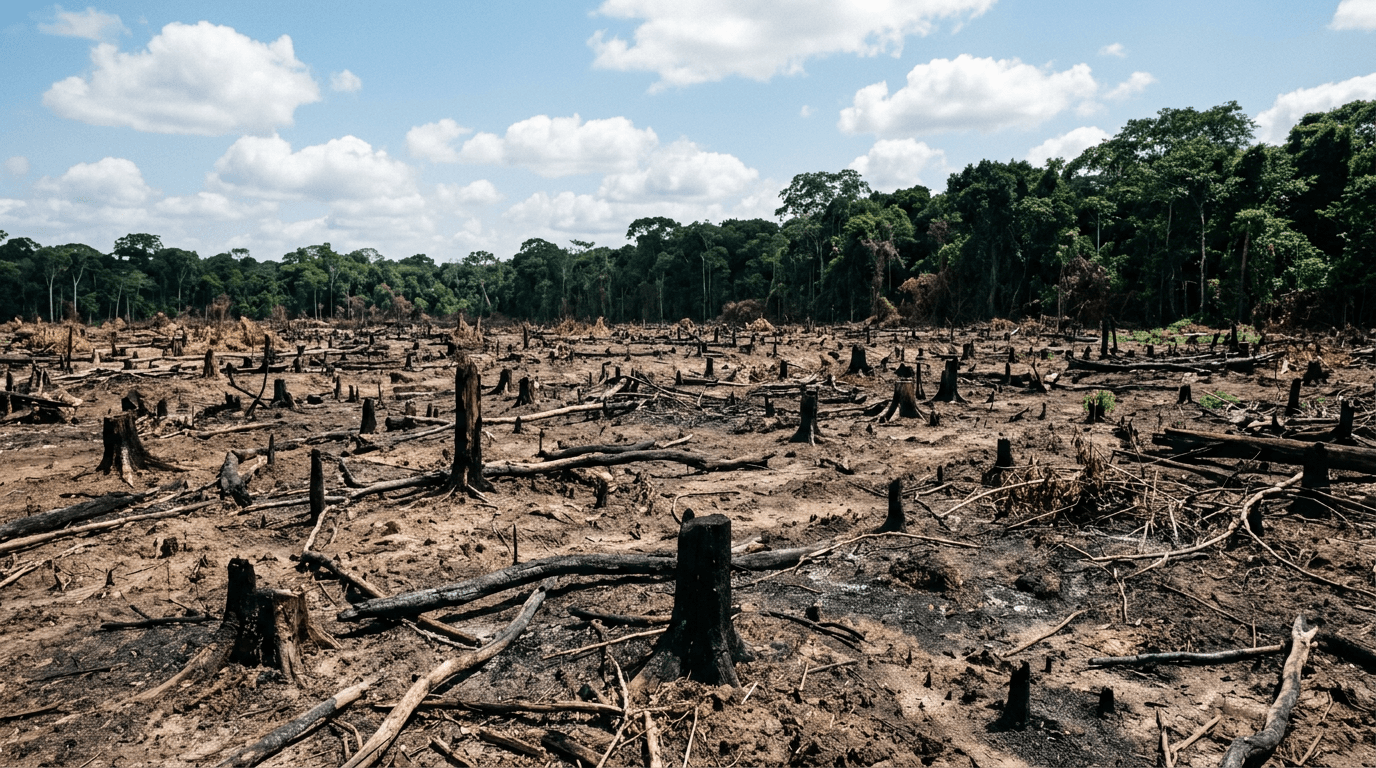
A groundbreaking survey has identified 240 candidates running in Brazil’s 2026 general elections who collectively hold R$213.5 million in outstanding environmental fines from federal regulatory agencies, raising immediate concerns over a systemic conflict of interest for the next congressional term. The finding means that a significant bloc of candidates, if elected, would gain power over the budgets, norms, and leadership of the very agencies that issued penalties against them for infractions such as deforestation and the destruction of native vegetation. The violations were registered by the Brazilian Institute of Environment and Renewable Natural Resources (Ibama) and the Chico Mendes Institute for Biodiversity Conservation (ICMBio), the country’s two primary federal environmental enforcement bodies.
The fines stem from 524 separate infraction notices, with the financial liabilities concentrated among candidates running in states within Brazil’s North and Center-West regions. These regions overlap with the Amazon biome, the world's largest rainforest, where illegal deforestation remains the single largest source of environmental damage. The concentration points to an election-year dynamic where candidates with direct liability for environmental harm—often in pursuit of land clearing for agribusiness or logging—are seeking office to weaken the federal agencies charged with protecting the Amazon.
The core concern is that elected candidates could use their legislative power to undermine environmental enforcement, either by defunding or politically controlling the agencies they owe money to. Historically, politicians who have faced fines have moved to reduce or invalidate them upon taking office. Former President Jair Bolsonaro, for instance, promised to end what he called the "Ibama fines industry" and later saw his own 2012 fine for illegal fishing withdrawn after his election, while the inspector responsible was dismissed. Critics argue that the election of officials with significant environmental liability compounds the regulatory risk, potentially accelerating the country’s long-standing struggle to ensure environmental compliance and reducing the credibility of Brazil’s climate commitments.
The 2026 general election will determine the next president, governors, and the composition of both the Senate and the Chamber of Deputies. With presidential candidates split on environmental enforcement—President Lula da Silva’s government has focused on re-strengthening Ibama after years of political pressure, while other candidates have historically favored deregulation—the composition of the newly elected Congress will be critical in deciding the fate of environmental policy. The October vote will be the first test of whether voters will allow candidates with significant environmental liabilities to become the ones writing the rules for the country's most critical biomes.
What it touches The potential for a major incoming conflict of interest increases regulatory risk for sectors tied to land use and soft commodities, particularly Agribusiness and raw land assets in the North and Center-West of Brazil. A politicized environment for fines and enforcement creates volatility for companies whose value depends on long-term, verifiable compliance with environmental laws, including those with substantial ESG (Environmental, Social, and Governance) commitments.
Related coverage
Politics · PRO
Tight Brazil Presidential Race Fuels Major Fiscal Policy Uncertainty Ahead of October Vote
Published
Politics
Brazil Presidential Race Enters Final Week in Technical Tie, Driving Political Uncertainty
Published
Politics
Brazil’s Lula Blasts UN Security Council 'Inaction,' Demands Global South Permanent Seats
Published