
Meta Faces Brazil Election Probe Days Before Presidential Runoff
Brazil's Ministry of Justice has requested an investigation into Meta for potential internet law violations, following allegations of algorithmic bias.
American retail investors holding shares of major technology companies are seeing regulatory risks intensify in one of the world's most active digital markets. Just days before a high-stakes presidential runoff, social media giant Meta is facing a coordinated regulatory crackdown in Brazil over allegations of algorithmic bias and election interference.
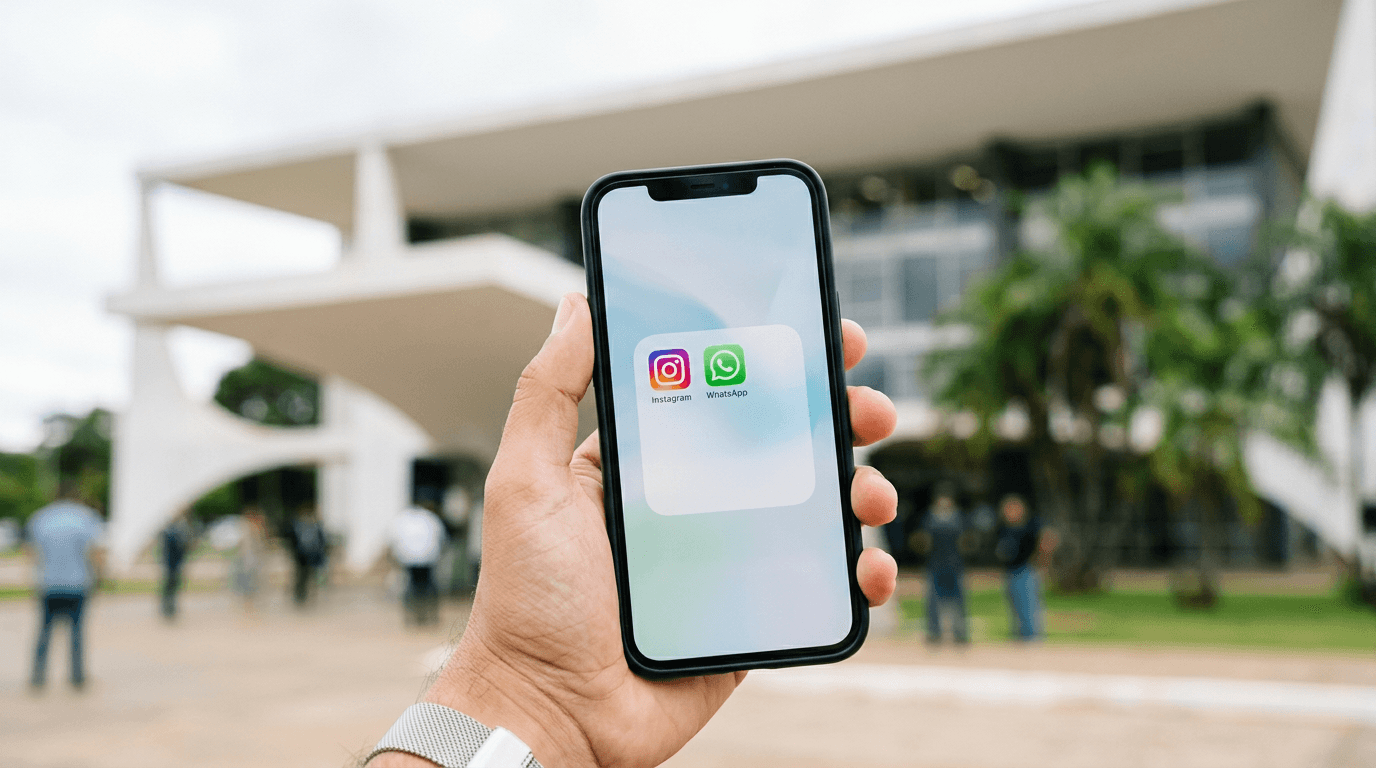
On October 17, 2026, Brazil’s Ministry of Justice formally requested that the National Data Protection Authority (ANPD) and the Federal Public Prosecutor's Office investigate whether Meta breached the country's internet civil framework. The federal probe follows accusations from the campaign of incumbent left-wing President Luiz Inácio Lula da Silva that Meta's platforms—specifically Instagram and WhatsApp—unjustifiably restricted his digital reach while boosting content for his right-wing opponent, Senator Flávio Bolsonaro.
The administrative escalation comes immediately after a major judicial blow to the company. On October 15, 2026, Justice Marco Aurélio Bellizze of Brazil's Superior Electoral Court (TSE) ordered Meta to ensure strictly equal operational treatment between the two presidential candidates. The court order, which was subsequently upheld by a majority of the electoral court's bench on October 16, 2026, prohibits Meta from reducing the distribution of political material or suppressing search results in a way that creates an imbalance. The ruling carries a daily fine of 500,000 reais (approximately $98,000) for non-compliance.
The legal battle highlights the severe political risks that global tech platforms face during critical foreign elections. Lula's campaign filed its complaint after users noted that Meta’s integrated artificial intelligence assistant, Meta AI, refused to generate campaign images for Lula while successfully generating promotional material for Bolsonaro. Meta has rejected all claims of partisan bias, attributing the variations in reach to automated anti-fraud filters, technical glitches, and a broader global data outage.
For Meta, the timing of this regulatory scrutiny is particularly sensitive. Brazil is one of the company's largest global user bases, and its data protection watchdog, the ANPD, has shown an increasing willingness to levy heavy penalties on foreign tech firms. In August 2026, the agency fined ByteDance's TikTok approximately $31 million for data violations, demonstrating that Brazilian regulators possess both the statutory tools and the political will to restrict platform operations.
The presidential runoff between Lula and Flávio Bolsonaro is scheduled for October 25, 2026, following a tight first-round vote on October 4 in which Bolsonaro secured 47% of the vote against Lula's 45%. With both campaigns now actively accusing the platform of negligence or bias, Meta's operational and advertising environment in Brazil faces heightened scrutiny that could persist long after the final votes are counted.
In your brokerage app
Meta Platforms, Inc., listed in New York, is directly exposed to these regulatory developments. Brazil represents a key demographic for the company's ad-supported services, and any prolonged platform restrictions or compliance fines resulting from the ANPD investigation could impact international ad revenues. Retail investors can track this exposure through broad-market exchange-traded funds like the Invesco QQQ Trust, which holds a significant weight in the social media giant.