
Lula targets Banco Master ties in heated presidential runoff campaign
President Lula has escalated his attacks on rival Flávio Bolsonaro over the Banco Master scandal, using a campaign rally to distance himself from the fallout.
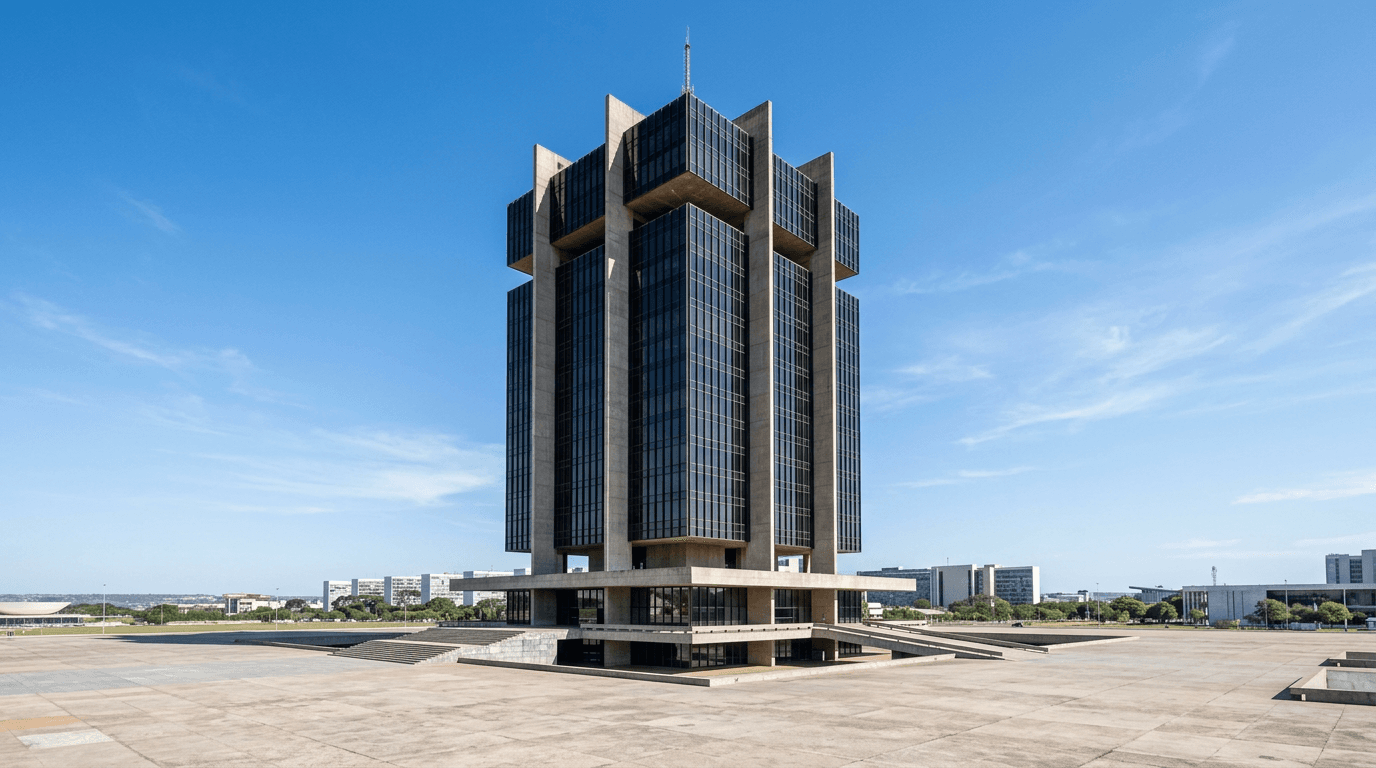
The escalating fallout from Brazil’s largest financial fraud investigation has taken center stage in the country's presidential election. During a high-stakes campaign rally on October 9, 2026, in Ceilândia—a working-class administrative region near Brasília—President Luiz Inácio Lula da Silva declared that Brazil "will not be governed by partners of Banco Master" or relatives of its disgraced former controller, Daniel Vorcaro. The aggressive rhetoric highlights how deep-seated corporate and financial investigations are directly shaping the narrative of the runoff campaign ahead of the October 25 vote.
The controversy centers on "Caso Master," a sweeping federal investigation into the collapse of Banco Master. The private lender was placed under extrajudicial liquidation by the Central Bank of Brazil in November 2025 following a massive liquidity crisis and allegations of fraudulent credit portfolios. The scandal has since ensnared high-profile public figures across the political spectrum, including Supreme Court justices and members of Congress. Lula’s chief opponent in the presidential runoff, Senator Flávio Bolsonaro—the eldest son of former right-wing President Jair Bolsonaro—is currently under investigation for money laundering and corruption related to allegations that he solicited millions from Vorcaro to finance a promotional film about his father.
Lula has aggressively used the scandal to draw a contrast with his opponent. In a widely watched interview with SBT News, the president emphasized that Banco Master expanded rapidly under the previous Bolsonaro administration but was ultimately shut down under his own watch. "Vorcaro became a banker under the Bolsonaro government and became a prisoner under mine," Lula stated, seeking to frame his administration as a bulwark against financial corruption. Vorcaro was arrested in November 2025 and remains in preventive custody.
The political risk of the investigation cuts both ways, however. The opposition has attempted to turn the scandal back on the incumbent. On October 8, 2026, leaked audio recordings published by local media allegedly showed Vorcaro discussing a R$ 30 million payment to the Instituto Lula to finance a documentary about the president. The Lula campaign and the institute have vehemently denied the allegations, calling them a "farsa" (farce) and pointing out that the Prosecutor General's Office previously rejected Vorcaro’s plea deal due to a lack of evidence.
With opinion polls showing a tight race, the weaponization of the Banco Master investigation is expected to intensify in the final days of the campaign. As both candidates trade accusations of corruption, the institutional stability of Brazil's financial regulatory bodies and the credibility of its judicial system remain under intense scrutiny by voters and international observers alike.
What it touches
While the direct political noise primarily impacts the presidential race, the ongoing liquidation of Banco Master and the broader "Caso Master" probe continue to hang over Brazil's financial sector. Traded assets in the banking industry, particularly mid-sized financial institutions and state-linked banks like the Banco de Brasília (BRB)—which had previously attempted to acquire Banco Master's portfolios—remain highly sensitive to regulatory updates, Central Bank decisions, and potential legislative interventions stemming from the scandal.