
Lula Taps Alckmin and Haddad for New Fiscal Discipline Signal
President Lula enlists former rival Geraldo Alckmin and Finance Minister Fernando Haddad to craft economic proposals to reassure the financial market.
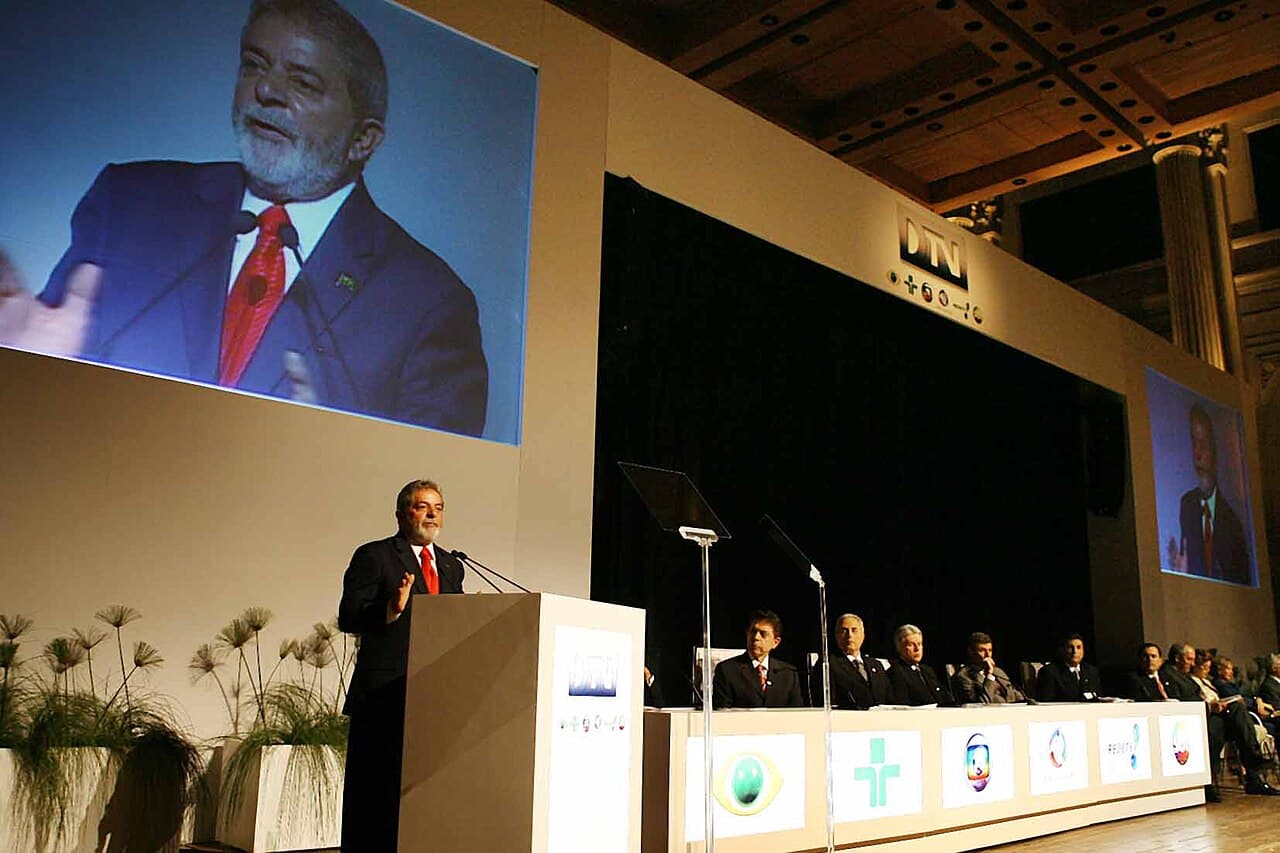
In a direct move to address persistent financial market anxieties over public spending, President Luiz Inácio Lula da Silva is seeking contributions from Vice President Geraldo Alckmin and former Finance Minister Fernando Haddad to formulate new economic proposals for a potential second term. The strategy is explicitly intended to use the credibility of both men to reduce resistance from the financial sector and the country's production sector, which have become increasingly vocal critics of the administration’s fiscal trajectory.
The key measure being developed is a strong signal for a greater "adjustment in public accounts," which would be enshrined in a potentially more restrictive fiscal framework than the one currently in place. The idea, according to sources within the administration, is to include an explicit indication for a decrease in the discretionary spending of major state-owned companies. This push comes as market players continue to express worry over a growing public deficit, a concern amplified by a recent downgrade from a rating agency which cited the country's high debt burden.
The choice of Alckmin and Haddad is a telling political signal. Geraldo Alckmin, a centrist and former four-time Governor of São Paulo, was a long-time rival of the President as a co-founder of the Brazilian Social Democracy Party (PSDB) before becoming Lula's running mate. His conservative pedigree and reputation for fiscal prudence make him a powerful voice to reassure a market that has long been skeptical of the leftist Workers' Party (PT). Finance Minister Fernando Haddad, though a party loyalist, has spent his term consistently fighting for spending cuts and revenue measures in a challenging political environment, making him the administration’s most visible advocate for fiscal responsibility. By joining these two figures in a public-facing effort, Lula aims to signal that fiscal restraint is a shared priority across the government’s political spectrum.
For the foreign investor, this move is a concession that the market’s concerns—especially those about the rising public debt and the political will to control spending—cannot be ignored, particularly in the run-up to a major election. The proposals are designed not as a set of immediate actions, but as a commitment to a new, stricter fiscal path to be implemented immediately upon the start of a potential fourth Lula term, with the hope that a pre-election pledge from Alckmin, in particular, will buy the administration time and confidence now.
What it touches The outlook for the fiscal framework and the commitment to rein in spending directly impacts the cost of Brazilian sovereign debt, with the signal for an adjustment potentially easing pressure on the country's risk premium. Separately, any concrete plan to decrease the spending of state-owned companies will affect the investment and operational outlook for Brazil’s largest state-controlled enterprises, which often carry high debt loads and whose capital expenditures are closely monitored by investors.
Related coverage
Politics · PRO
Brazil Supreme Court Moves to Impose Binding Fiscal Discipline on All Government Spending
Published
Politics · PRO
Brazil’s PPSA Schedules First Auction to Break Petrobras Gas Monopoly, Targeting 50% Price Cut for Industry
Published
Politics · PRO
Brazil’s Election Defined by Stark Fiscal Divide Over High Debt and 13.75% Interest Rate
Published