
Lula Says 'Freedom of Expression Has a Limit,' Signaling Heightened Regulatory Risk for Tech Platforms in Brazil
President Lula's strong remarks on regulating social media, made while sanctioning a digital crimes law, increase regulatory uncertainty for tech firms in Brazil.
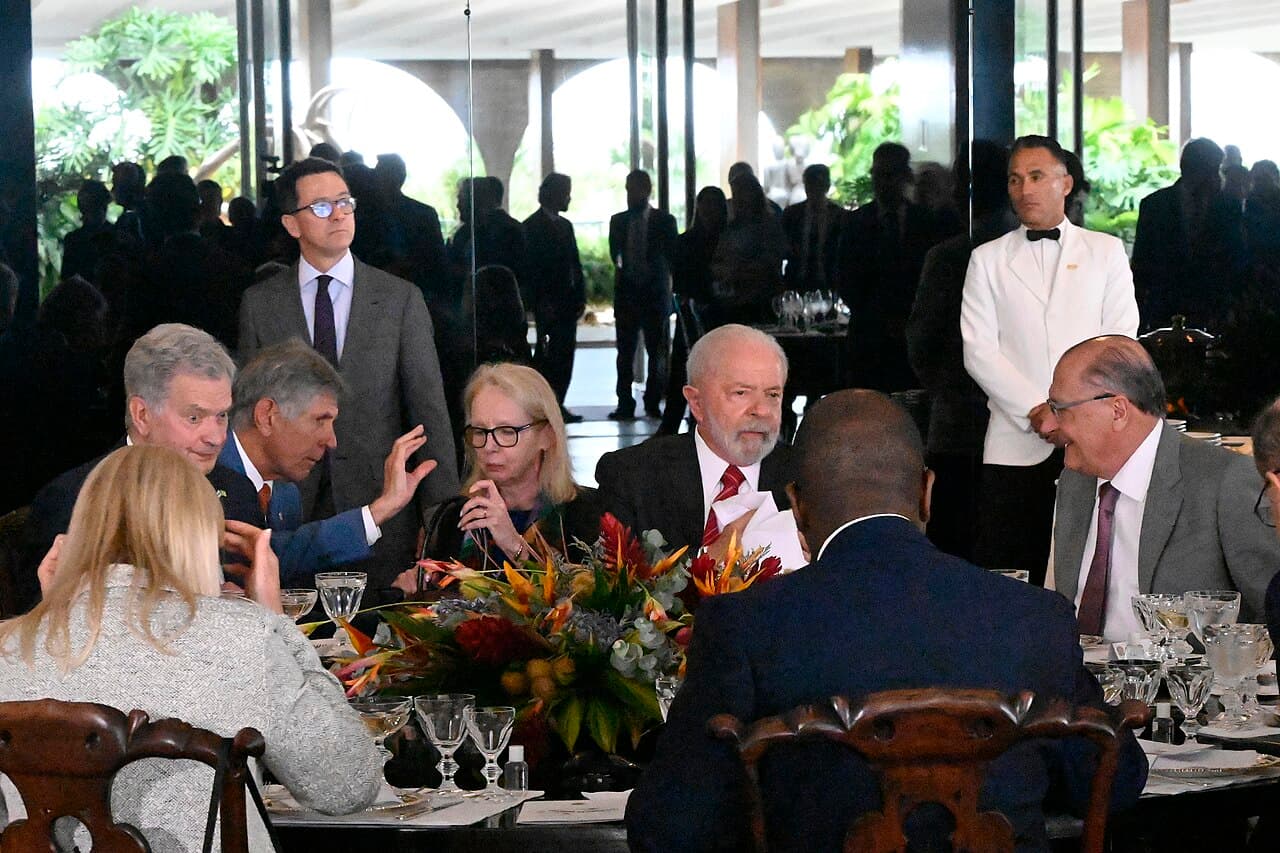
President Luiz Inácio Lula da Silva escalated the political pressure on major technology companies this week, stating that "freedom of expression has a limit" during the sanctioning of a new law that toughens penalties for digital crimes in Brazil. The statement, made on Thursday during the official ceremony, clearly signals the political will to enforce stricter regulatory oversight and potential legal liabilities for global digital platforms like Meta, which operates Facebook and WhatsApp, and others with major Brazilian operations. Lula specified that free expression cannot be "confused with genocide, murder, violence, and banality," reinforcing the government’s firm stance that online content is not immune from legal sanction.
The comments come as the President signed into law a bill that dramatically increases penalties for sexual crimes against minors committed on digital platforms and expands police infiltration tools in virtual environments. This new legislation, the latest in a series of measures focusing on the online space, creates a direct compliance risk and potential for greater operational friction for platforms. Specifically, it raises the prison sentence for producing, reproducing, or selling child sexual abuse material, and mandates increased punishment when the crime involves the use of artificial intelligence (AI), deepfakes, or fake profiles. Critically for the corporate assets, the law increases liability for those who "administrate, host, or moderate" sites dedicated to such content, a provision that broadens the scope of responsibility for the tech firms operating in the market.
This move by the government aligns with a broader, long-running political effort to regulate Brazil's digital sphere, which has seen repeated legislative efforts and high-profile judicial clashes over content moderation and misinformation. For global investors tracking Brazilian assets, especially those with exposure to the tech sector through BDRs or the general Brazilian real-denominated market, the reinforced push for regulation means higher compliance costs and a continued threat of potential sanctions. Lula’s rhetoric signals that the government views the major digital platforms as increasingly responsible for what is disseminated on their networks, moving Brazil further away from a model of industry self-regulation toward greater state intervention, echoing concerns that have previously led to market volatility.
What to watch next is the political maneuvering around the proposed general framework for social media regulation, which the government has signaled it is preparing to send to Congress. That future legislation, which is expected to deal with a wider range of issues including misinformation and democratic integrity, will be the true test of the regulatory environment. Additionally, any attempt by the government to leverage the expanded police powers under the new law to conduct "virtual patrols" in ways that impact user privacy or platform operations could lead to judicial challenges, offering the next point of market turbulence for investors tracking regulatory risk in the country.
Related coverage
Politics · PRO
Brazil Supreme Court Moves to Impose Binding Fiscal Discipline on All Government Spending
Published
Politics · PRO
Brazil’s PPSA Schedules First Auction to Break Petrobras Gas Monopoly, Targeting 50% Price Cut for Industry
Published
Politics · PRO
Brazil’s Election Defined by Stark Fiscal Divide Over High Debt and 13.75% Interest Rate
Published