
Lula Sanctions R$30 Billion Credit Line for Taxi and App Drivers to Boost Auto Sales
Brazilian President Luiz Inácio Lula da Silva signed a law creating a massive R$30 billion subsidized credit line for transport workers to purchase new, sustainable vehicles.
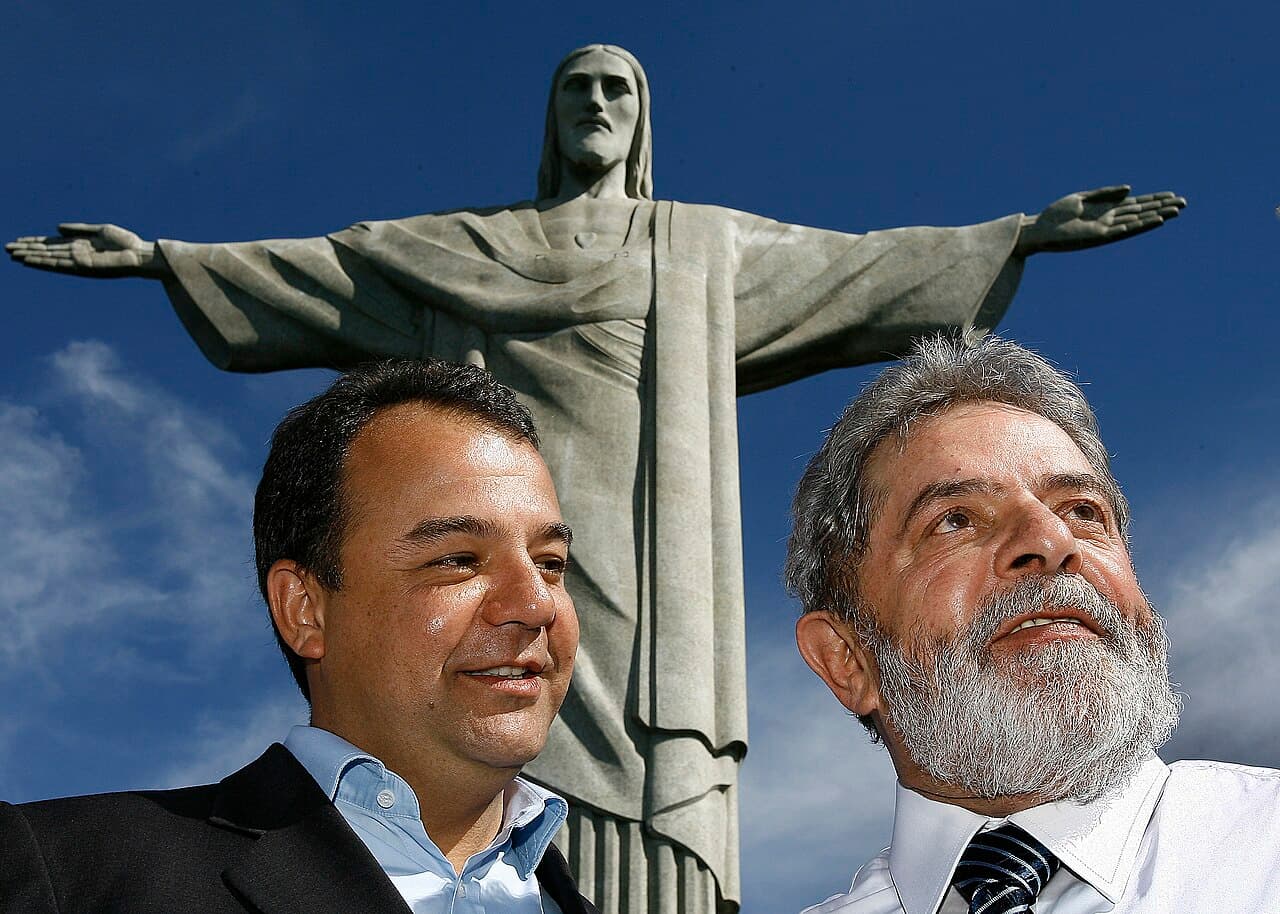
Brazilian President Luiz Inácio Lula da Silva on Monday sanctioned a law establishing a massive R$30 billion (approximately $5.8 billion) credit line for taxi, application, and school transport drivers to buy new, sustainable vehicles. The new measure, which is a continuation of the government’s "Move Brasil" program, aims to renew the country's fleet, stimulate the auto sector, and provide relief to a key segment of the Brazilian labor force.
The financing is specifically targeted at the purchase of new or nearly-new vehicles, including electric, hybrid, or flex-fuel models, with a price cap of R$200,000. The primary benefit is the heavily subsidized annual interest rate, which is set at 12.6% for male drivers and a further-discounted 11.5% for female drivers. This rate is significantly below Brazil's benchmark Selic rate, which currently stands at 14.0%, highlighting the direct government subsidy being used to drive the program.
The credit is being offered by the country's largest state-controlled financial institutions, including the Brazilian Development Bank (BNDES), Caixa Econômica Federal, and Banco do Brasil. For the administration, the program serves a clear dual purpose: to inject capital into the struggling domestic auto industry and to solidify political support among a large, mobilized group of workers that has historically been difficult for the ruling Workers' Party (PT) to win over.
However, the program faces the challenge of its own history. The first phase of Move Brasil, launched earlier this year as a provisional measure, saw only a small fraction of the available resources consumed, with reports suggesting less than 10% of the initial credit was accessed. This slow uptake was attributed to private banks' reluctance to participate and complex requirements surrounding the government's credit guarantee fund, meaning the success of this R$30 billion injection will depend on easing the red tape that restricted the earlier attempt.
The program's full impact will be measured by its ability to bypass previous bureaucratic hurdles and drive a measurable increase in new vehicle sales, providing a much-needed boost to the manufacturing sector and potentially furthering Brazil’s transition toward less polluting vehicles.
What it touches
The law is a direct material event for the Brazilian auto sector, as the capital is specifically designated for new vehicle purchases, increasing sales volume. It also touches the largest state-controlled banks, BNDES, Caixa Econômica Federal, and Banco do Brasil (BBAS3), which are the sole originators and guarantors of the subsidized loans.
Related coverage
Politics · PRO
Supreme Court Crisis Deepens as Minister Mendonça Sat on Key Fraud Probe Request for Six Months
Published
Politics · PRO
Brazil Finance Minister Durigan: Supreme Court Crisis ‘Hurts Economy,’ Damages Investor Credibility
Published
Politics
Lula Government to Mandate Algorithm Transparency for Ride-Hailing and Delivery App Workers
Published