
Lula Government Uses R$6.6 Billion Subsidy Package to Cut Fuel Price Ahead of Election
Brazil's government cut federal taxes on gasoline and boosted a diesel subsidy in a R$6.6 billion move to control fuel prices and inflation before the presidential election.
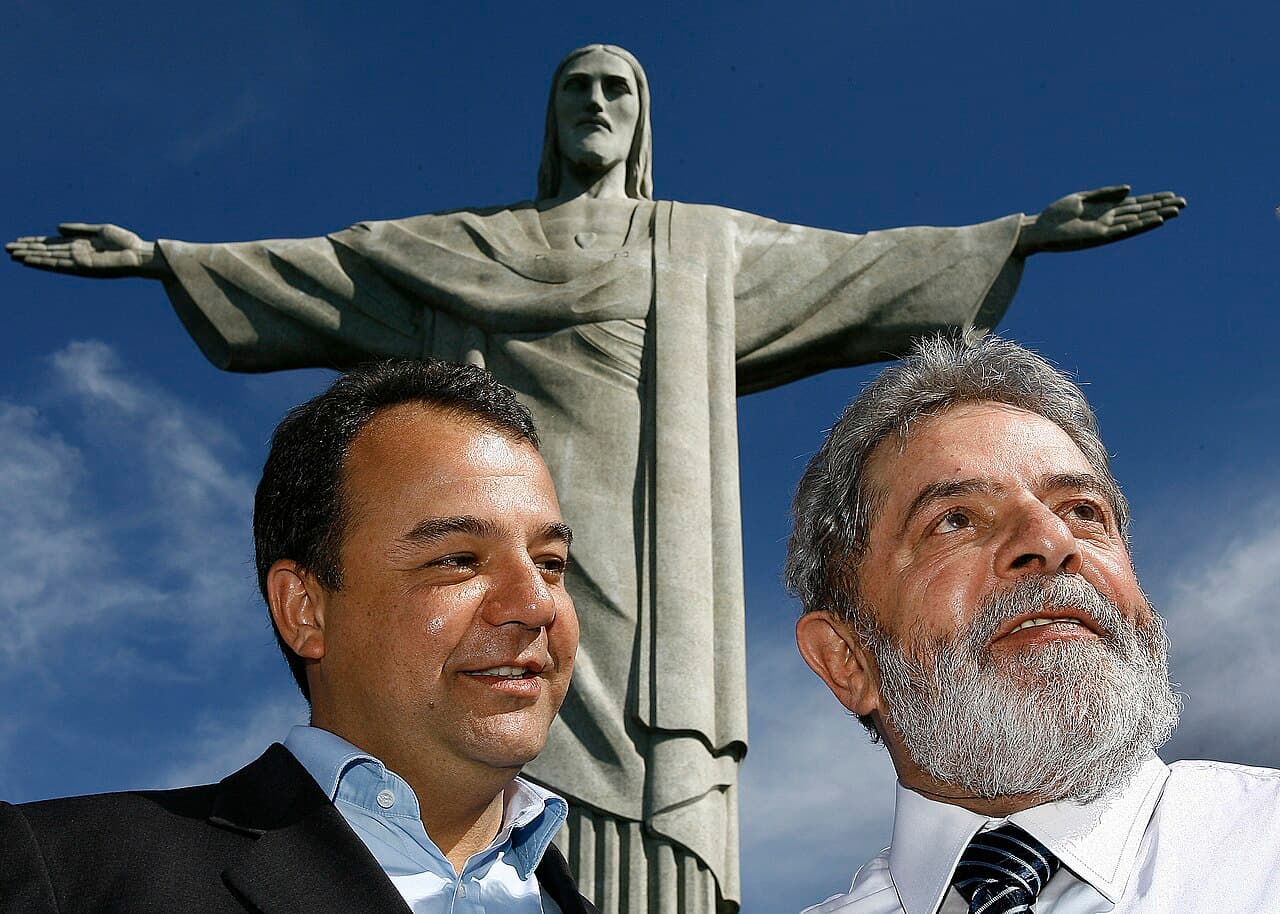
The Brazilian government has implemented a temporary R$6.6 billion ($1.29 billion) subsidy package to reduce the cost of gasoline and diesel, effectively counteracting a price increase by the state-controlled oil giant, Petrobras, just weeks before a critical presidential election.
The central component of the policy, decreed by President Luiz Inácio Lula da Silva, is a temporary reduction of R$0.63 per liter in the federal PIS/Cofins taxes on gasoline. Simultaneously, the government issued a Medida Provisória (Provisional Measure) to authorize a new R$1.00 per liter subsidy for diesel producers and importers. The Provisional Measure is a type of decree that takes immediate effect but must be approved by Brazil's Congress to become permanent.
The move was timed to coincide with the expiration of a previous R$0.44 per liter discount on gasoline that Petrobras had been offering to distributors. The oil company initially announced it would scrap the discount, which, combined with other factors, would have led to a net price hike. However, with the government’s simultaneous tax cut and subsidy injection, the final price to distributors for gasoline will be reduced by R$0.19 per liter, including taxes.
The political maneuver is designed to shield Brazilian consumers from the volatility of surging international oil prices, which have topped $100 a barrel amid geopolitical tensions, and to maintain control over inflation ahead of the October 4 first-round election. The extraordinary credit opened to fund the diesel and gasoline subsidies totals R$6.605 billion, with Planning Minister Bruno Moretti indicating the running cost could be near R$7 billion per month.
The intervention highlights the constant tension between Petrobras, which operates with a policy of market parity for its fuel prices, and the government, which uses its controlling stake in the company to manage domestic economic fallout. The Lula administration is leveraging its fiscal tools to manage the political consequences of high fuel costs, which directly impact the cost of transport and food across the country.
What it touches
The government’s decision to replace price control with a direct fiscal subsidy injects a degree of political risk into the energy sector. While the move offers temporary inflation relief, it raises long-term concerns among investors about the extent of state intervention in the pricing mechanism of Petrobras (PETR4), which is controlled by the federal government. The decision directly impacts the federal budget, with the R$6.6 billion expenditure drawing extraordinary credit for the subsidies.
Related coverage
Politics · PRO
Brazil’s Finance Minister Signals Tighter Spending Cap After New Dividend Tax Hits Investors
Published
Politics · PRO
Lula Calls for Full Disclosure in ‘Master Bank Case’ Amid Supreme Court Corruption Crisis
Published
Politics
Brazil STF Crisis Deepens as Justice Zanin Demands Full Access to Banker’s Cell Phone Data Ahead of Vote on Moraes Case
Published